\n\n\n
Basic Nutrition for New Exercisers in Auckland: Your Starting Guide
Embarking on a fitness journey in Auckland is exciting, and mastering basic nutrition for new exercisers is your first step towards lasting success. Connecting with others in the local scene, such as through the Auckland Fitness Community & Local Events, can also provide valuable support and motivation. At My Trainer, Dan understands that fueling your body correctly is just as vital as your workouts, and for those seeking personalized guidance, Private Personal Training at Home NZ offers tailored support. This guide will help you build a strong foundation for your health and fitness goals.

Table of Contents
Understand Essential Nutrients
When you start exercising, your body needs the right building blocks. Learning about the essential nutrients is a key part of your journey into basic nutrition for new exercisers. These nutrients provide energy, help repair muscles, and keep your body functioning at its best.
The Building Blocks: Macronutrients
Macronutrients are the nutrients your body needs in large amounts. They are carbohydrates, proteins, and fats. Each plays a critical role in supporting your active lifestyle.
- Carbohydrates: Your Primary Energy Source. These are crucial for fueling your workouts and daily activities. Think whole grains, fruits, and vegetables. They give you the energy to push through your training sessions.
- Proteins: For Muscle Repair and Growth. Protein is essential for repairing muscle tissue after exercise and building new muscle. Lean meats, fish, eggs, dairy, and legumes are excellent sources.
- Fats: Essential for Hormones and Energy Storage. Healthy fats are vital for hormone production and absorbing vitamins. They also provide a concentrated source of energy. Avocado, nuts, seeds, and olive oil are great choices.
Micronutrients: Vitamins and Minerals
While needed in smaller amounts, micronutrients are just as important. Vitamins and minerals support countless bodily functions, from energy production to immune health. A diet rich in various whole foods ensures you get a wide spectrum of these vital elements.
Eating a variety of colorful fruits and vegetables is the best way to ensure you’re getting all the vitamins and minerals your body needs to thrive. These are often overlooked but are fundamental for anyone serious about basic nutrition for new exercisers.

Fuel Your Workouts Right
What you eat before and after your workouts can significantly impact your performance and recovery. Optimizing your nutrient timing is a smart strategy for anyone starting out.
Pre-Workout Nutrition: What to Eat
Eating the right foods before your workout gives you sustained energy. Aim for easily digestible carbohydrates and a small amount of protein about 1-2 hours beforehand. This helps prevent fatigue and keeps you strong throughout your session.
- A banana with a tablespoon of peanut butter.
- Oatmeal with berries.
- A small piece of toast with avocado.
Post-Workout Nutrition: Recovery is Key
After your workout, your muscles need nutrients to repair and rebuild. Consuming a combination of protein and carbohydrates within 30-60 minutes after exercise helps kickstart recovery. This timing is often called the “anabolic window,” though it’s less strict than once thought. Still, getting these nutrients in helps immensely.
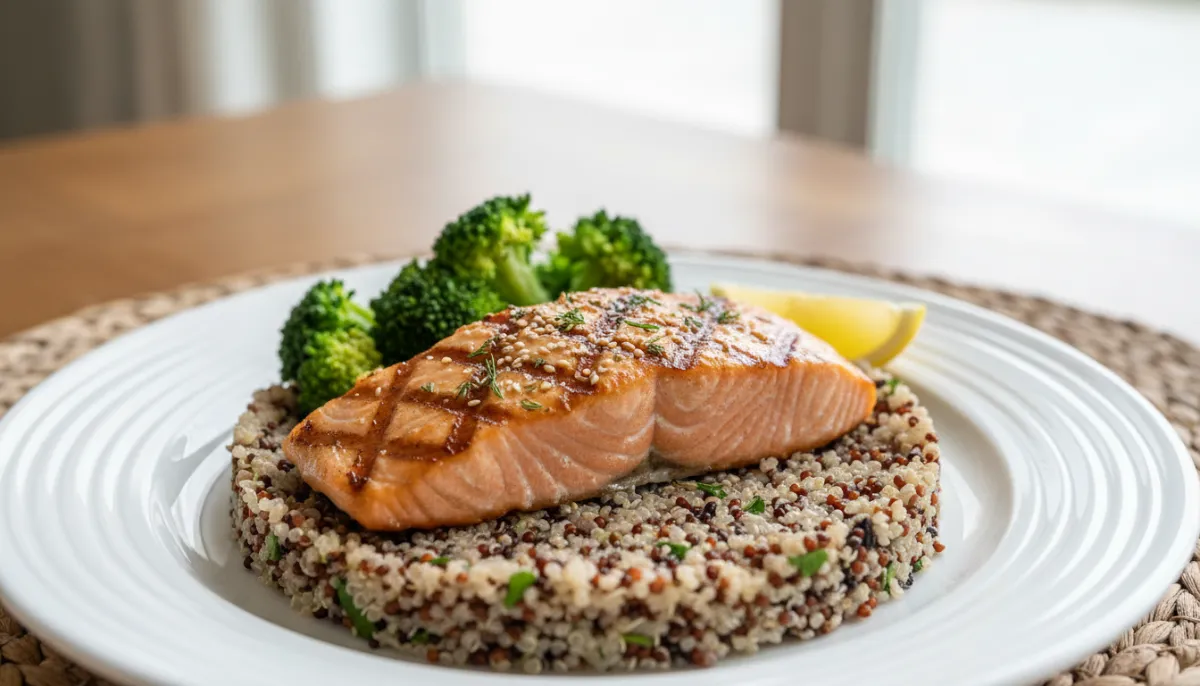
Good post-workout meals include lean protein and complex carbohydrates. This combination replenishes glycogen stores and provides amino acids for muscle repair. Proper post-workout nutrition is a cornerstone of effective basic nutrition for new exercisers, ensuring you’re ready for your next session.
- Chicken breast with sweet potato and vegetables.
- Greek yogurt with fruit and a sprinkle of nuts.
- A protein shake with milk or a plant-based alternative.
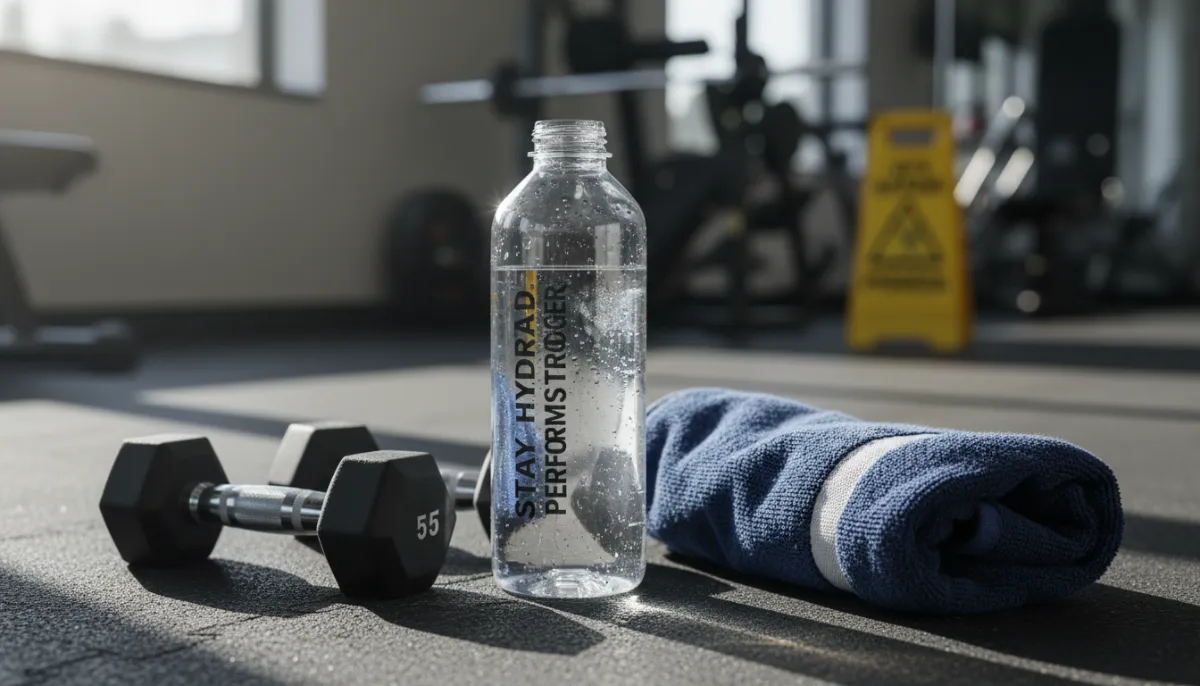
Hydration is Crucial for Performance
Water is often overlooked, but it’s essential for every bodily function, especially when you’re active. Proper hydration impacts your energy levels, joint lubrication, and muscle function. Dehydration can quickly hinder your performance and make you feel sluggish.
For new exercisers, understanding hydration means more than just drinking when thirsty. It involves consistent water intake throughout the day. This simple habit can drastically improve your overall well-being and exercise capacity. Furthermore, mindful movement is crucial; consider exploring Managing Stress with Gentle Exercise and the benefits of Mindful Eating for Stress Reduction to enhance both your mental and physical health.
How Much Water Do You Need?
The general recommendation is to drink around 8 glasses (about 2 liters) of water daily, but this increases with exercise. During workouts, sip water regularly. If you’re sweating heavily, consider adding electrolytes to your water, especially for longer sessions.
- Drink water before, during, and after your workouts.
- Carry a reusable water bottle to remind yourself to drink.
- Monitor your urine color; pale yellow indicates good hydration.