
Your Guide to Setting Realistic Beginner Fitness Goals
Starting your fitness journey in Auckland is exciting, and with My Trainer, Dan makes setting realistic beginner fitness goals not just possible, but genuinely achievable for everyone. To understand the different options available, explore our Transparent Pricing & Service Packages and find a plan that fits your aspirations. To further support your journey and help you stay motivated, connecting with local groups and participating in shared activities can be incredibly beneficial. Discover more about the vibrant Auckland Fitness Community & Local Events to find your support network.

Table of Contents
Define Achievable Fitness Targets
The first step to a successful fitness journey is understanding what ‘achievable’ truly means for you. Many beginners start with grand ambitions, which can quickly lead to burnout or disappointment. Instead, focus on small, consistent steps that build momentum.
At My Trainer in Auckland, Dan provides Specialized Personal Training Services to help clients break down large aspirations into manageable tasks. Think about what you can realistically commit to each week, given your current lifestyle and fitness level. It’s not about being perfect, but about being persistent. This approach is key when setting realistic beginner fitness goals.
Understanding SMART Goals
A popular framework for setting realistic beginner fitness goals is the SMART method. This acronym stands for:
- Specific: What exactly do you want to achieve? For example, instead of “get fit,” aim for “run 5km in under 30 minutes.”
- Measurable: How will you know when you’ve reached your goal? Use numbers! “Lose 5kg” or “lift 20kg” are measurable.
- Achievable: Is your goal realistic given your current fitness level and resources? It should challenge you but not be impossible.
- Relevant: Does this goal align with your broader health and lifestyle aspirations? It should matter to you.
- Time-bound: When do you want to achieve this goal? Set a deadline, like “by the end of three months.”
Applying the SMART framework helps turn vague ideas into clear action plans, making your fitness journey more focused and successful.
Start Small, Build Big
Beginning with modest, manageable goals prevents overwhelm. Instead of aiming for daily intense workouts, try walking for 30 minutes three times a week. Once that feels comfortable, you can gradually increase duration, frequency, or intensity. This incremental approach builds confidence and establishes sustainable habits.
Remember, consistency is far more important than intensity when you’re just starting. Small, consistent efforts compound over time, leading to significant progress. Don’t underestimate the power of showing up, even on days when you don’t feel 100%.
Assessing Your Current Fitness Level
Before you even begin setting realistic beginner fitness goals, it’s vital to know your starting point. This isn’t about judgment, but about understanding your body’s current capabilities. Simple self-assessments can include timing how long you can walk comfortably, how many push-ups you can do (even on your knees), or how long you can hold a plank.
This assessment helps you set truly achievable goals. If you can only walk for 15 minutes now, aiming for a 1-hour run next week isn’t realistic. A proper assessment provides a baseline for measuring future progress.
Plan Your Progress Effectively
Once you have defined your SMART goals, the next step is to create a clear, actionable plan. A well-structured plan acts as your roadmap, guiding you through each stage of your fitness journey. It helps you stay organized and focused on your objectives.
Creating a Balanced Workout Schedule
Your fitness routine should include a mix of activities for Stress Relief Through Personalized Fitness and overall health. Aim for cardio (like walking, jogging, cycling), strength training (using body weight or light weights), and flexibility exercises (stretching, yoga). When engaging in any exercise, especially strength training, it’s crucial to prioritize proper technique. To ensure safety and maximize results, dedicating time to Understanding Basic Exercise Forms from the outset is essential, as is a foundational knowledge of Biomechanics of Movement & Injury Prevention. Ensure you schedule rest days; recovery is just as important as the workout itself.
For beginners, 3-4 days a week of structured exercise, combined with active rest on other days, is a great starting point. Listen to your body and adjust as needed. Remember, this schedule is a guide, not a rigid prison sentence.
The Role of Nutrition and Hydration
Fitness isn’t just about what you do in the gym; it’s also about what you put into your body. Fueling yourself with whole, unprocessed foods provides the energy needed for workouts and recovery. Focus on a balanced diet rich in fruits, vegetables, lean proteins, and healthy fats.
Hydration is equally crucial. Drinking enough water throughout the day supports metabolism, helps transport nutrients, and aids in temperature regulation during exercise. Make sure to sip water consistently, especially before, during, and after your workouts.
When considering weight management as part of your fitness goals, it’s important to understand the various approaches available. For those exploring different methods, a comparison between Auckland Weight Loss Clinics vs Trainers can help you decide which path is best suited for your individual needs and preferences.
Tracking Your Journey
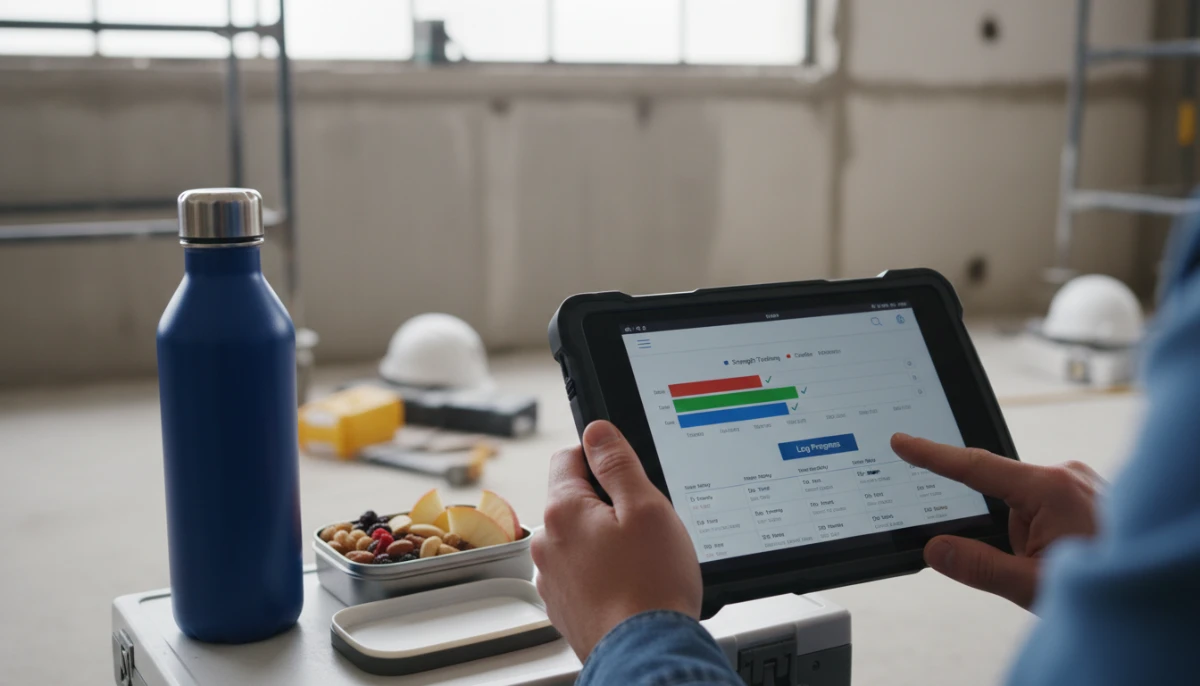
Monitoring your progress is incredibly motivating. Whether you use a fitness app, a simple notebook, or a calendar, consistently log your workouts, how you felt, and any measurements (like weight, body fat percentage, or strength improvements). This data helps you see how far you’ve come.
Tracking also allows you to make informed adjustments to your plan. If something isn’t working, or if you’ve hit a plateau, your records will help identify patterns and guide changes. It’s an invaluable tool for continuous improvement and Achieving Fitness Goals with Mobile Trainer.


