
Unlock the Power: Exploring HIIT Workout Science Benefits for Peak Performance
If you’re looking to maximize your fitness results, understanding the HIIT workout science benefits is key. This high-intensity training method isn’t just a trend; it’s backed by robust scientific research. We dive into how these short, powerful bursts of exercise can transform your body and health.
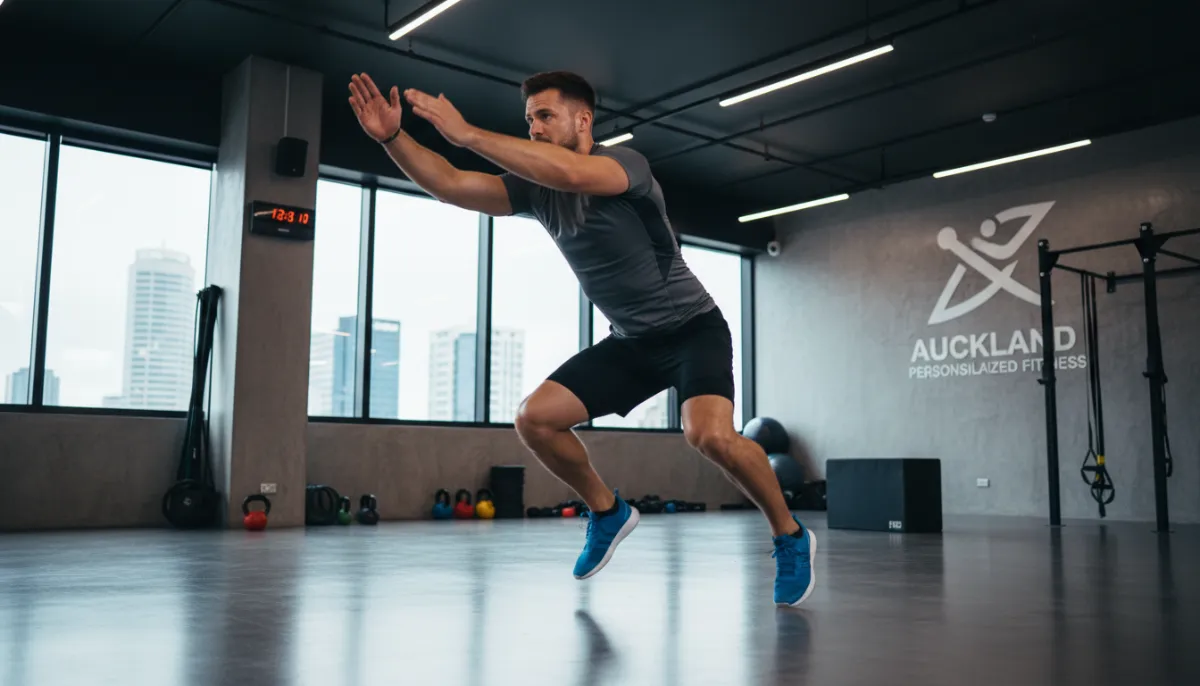
Table of Contents
The Core Benefits of HIIT Workouts
High-Intensity Interval Training (HIIT) has revolutionized the fitness world. It involves short periods of intense anaerobic exercise followed by brief recovery periods. The science behind this method shows that it efficiently delivers remarkable physiological adaptations.
Beyond simply burning calories during your session, the profound HIIT workout science benefits extend far beyond simple calorie burning. These include improved cardiovascular health, enhanced endurance, and even boosts to your metabolic rate for hours after your workout. It’s an incredibly efficient way to get fit.
Cardiovascular Health and Endurance
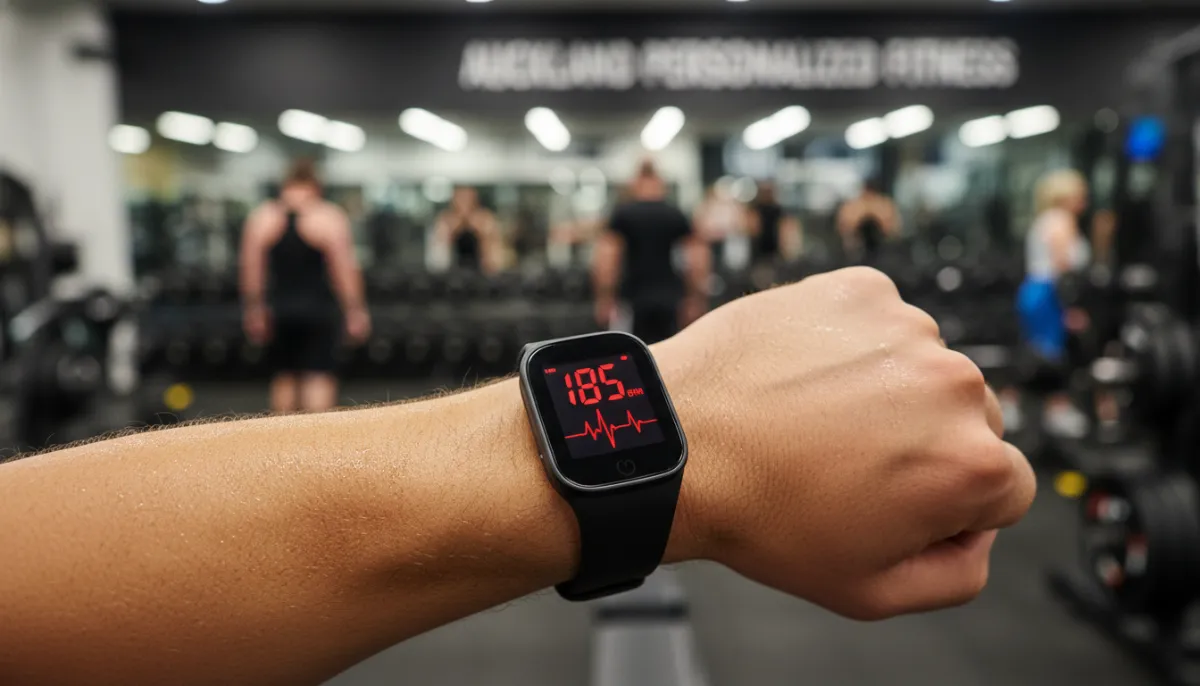
Regular HIIT sessions significantly improve your aerobic capacity, which is your body’s ability to use oxygen. Studies show that even short bursts of high-intensity activity can improve VO2 max as effectively as longer, moderate-intensity cardio. This means a stronger heart and better lung function.
Your heart becomes more efficient at pumping blood, and your body gets better at transporting oxygen to your muscles. This leads to increased stamina and less fatigue during daily activities, making life feel easier and more energetic.
Metabolic Boost and Muscle Preservation
One of the unique aspects of HIIT is its impact on your metabolism. The high-intensity nature of these workouts creates an ‘afterburn effect,’ known as Excess Post-exercise Oxygen Consumption (EPOC). Your body continues to burn calories at an elevated rate for hours post-workout as it recovers.
Unlike prolonged steady-state cardio, HIIT is also very effective at preserving muscle mass while promoting fat loss. This is crucial for maintaining a healthy metabolism and body composition, especially as we age. Strong muscles are key for overall health.
Understanding Effective Interval Protocols
The success of HIIT lies in its structured approach to work and rest periods. Varying these intervals can target different energy systems and Specialized Personal Training Services. Knowing which protocol to choose helps you maximize your workout efficiency and results.
Effective HIIT protocols often depend on your current fitness level and specific objectives. Whether you’re aiming for improved speed, endurance, or fat loss, remember that a truly effective regimen often involves Beginner Personal Training Programs Auckland, offering flexibility for all fitness journeys.

Work-to-Rest Ratios Explained
The ratio of your high-intensity work phase to your rest or low-intensity recovery phase is critical. Common ratios include 1:1, 2:1, or even 1:2. A 1:1 ratio, for example, might be 30 seconds of intense effort followed by 30 seconds of rest.
For beginners, a longer rest period (e.g., 1:2 work-to-rest) can be more appropriate, allowing for better recovery. As your fitness improves, you can gradually reduce rest times or increase work times, pushing your body further.
Popular HIIT Formats
Several popular formats exist, each with its own structure and benefits. Understanding these can help you diversify your training for the best outcomes. Here are a few examples that are effective for 2026 fitness goals:
- Tabata Protocol: 20 seconds of maximum effort, followed by 10 seconds of rest, repeated for 8 rounds (4 minutes total). This is highly intense and quick.
- Little Protocol: 60 seconds of maximal effort, followed by 75 seconds of rest, repeated for 8-12 rounds. This is great for advanced athletes focusing on VO2 max.
- Sprinting Intervals: Short, all-out sprints (e.g., 30 seconds) followed by active recovery walks (e.g., 90-120 seconds). Ideal for outdoor or track workouts.
- HIIT Circuits: A series of exercises performed back-to-back with minimal rest, followed by a longer rest period after the entire circuit. Versatile for full-body workouts.
Choosing the right protocol depends on your fitness level and available equipment. Always prioritize proper form over speed or intensity, especially when starting a new routine or considering Pre-habilitation Exercises for Common Injuries.
HIIT for Optimal Fat Loss and Body Composition
When it comes to sustainable weight management and shedding unwanted body fat, the HIIT workout science benefits are particularly compelling. HIIT is not just about burning calories during the workout; it primes your body to burn fat more efficiently long after you finish.
The intense nature of HIIT triggers several physiological responses that are highly favorable for fat loss. It mobilizes fat stores, increases fat oxidation, and helps maintain lean muscle mass, which is a significant calorie-burner even at rest.

The EPOC Effect and Fat Oxidation
As mentioned earlier, EPOC (Excess Post-exercise Oxygen Consumption) is a major player in HIIT’s fat-burning power. After a high-intensity session, your body requires more oxygen to return to its resting state, repair tissues, and restore energy stores. This process consumes extra calories.
Research indicates that a higher percentage of calories burned during EPOC come from fat. This means that even after you’ve stopped sweating, your body continues to be a fat-burning machine, making HIIT incredibly time-efficient for weight loss goals.
Hormonal Response and Appetite Regulation
HIIT has been shown to positively influence hormones related to fat metabolism. It can increase levels of growth hormone, which plays a role in fat breakdown, and improve insulin sensitivity, helping your body manage blood sugar more effectively.
Some studies also suggest that HIIT may help regulate appetite more effectively than traditional steady-state cardio. This could b…
For those looking to integrate these benefits into a broader fitness journey, exploring the Auckland Fitness Community & Local Events can provide motivation, support, and new opportunities to stay active and engaged.

