
Unlocking Optimal Flexibility Mobility Joint Health
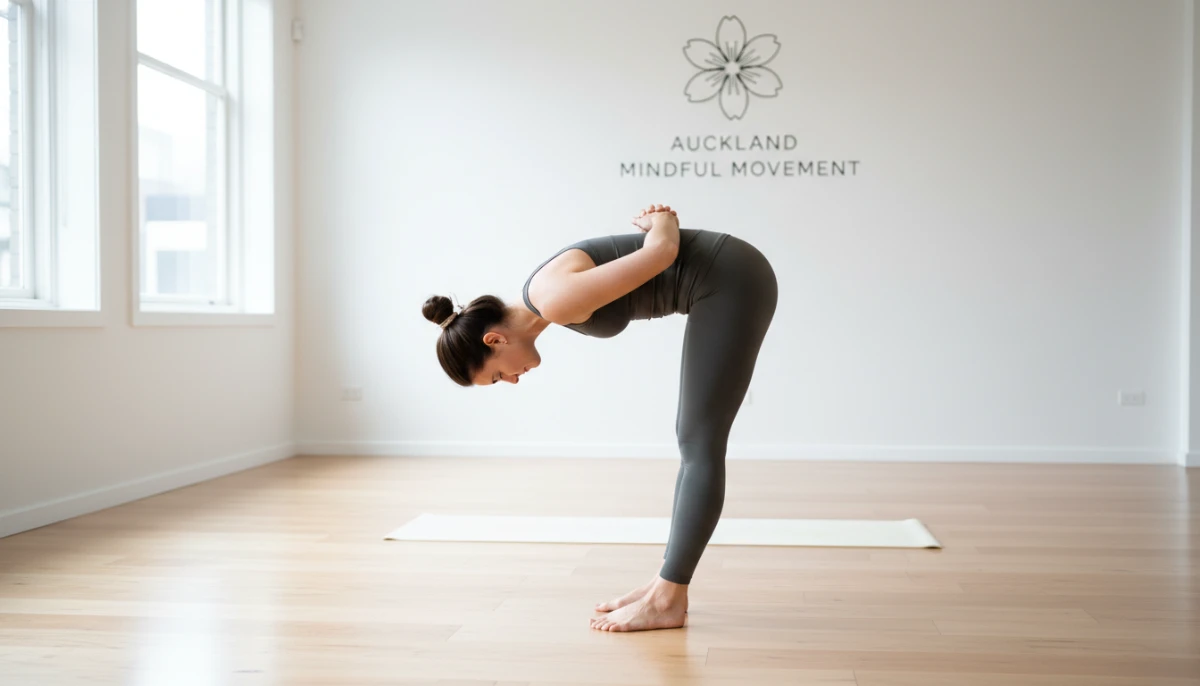
Are you looking to move more freely, reduce stiffness, and keep your joints feeling young? Understanding flexibility mobility joint health is crucial for a pain-free and active lifestyle. This guide will walk you through practical strategies and exercises to enhance your body’s natural movement capabilities. Whether you’re an athlete or simply want to improve daily comfort, these insights are for you.
Good flexibility and mobility are not just for gymnasts. They are fundamental components of overall wellness. They allow you to perform everyday tasks with ease, reduce the risk of injury, and even improve athletic performance. Let’s explore how to achieve better movement.
Table of Contents
Improve Your Range of Motion
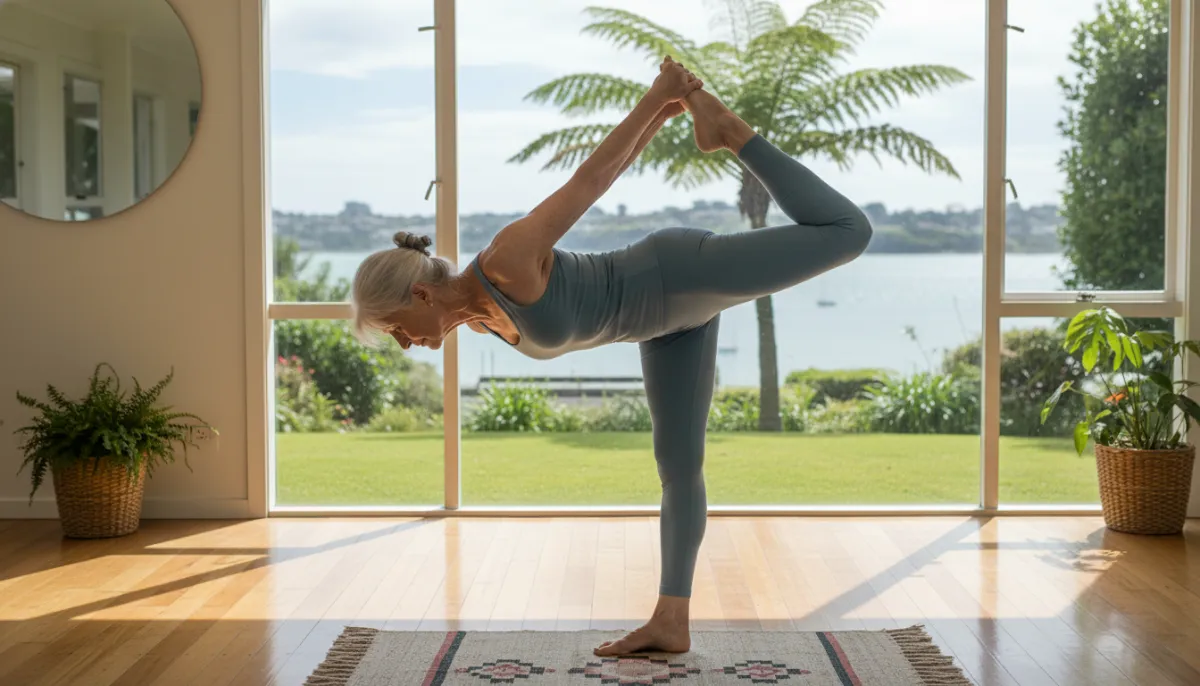
Range of motion (ROM) refers to how far you can move a joint in any direction. When your ROM is limited, daily activities can become challenging. Improving your ROM is a cornerstone of enhancing overall flexibility mobility joint health. It allows muscles to work more efficiently and reduces strain.
Techniques like active stretching, where you move a joint through its full range using your own muscles, are highly effective. For example, arm circles or leg swings can gently increase your joints’ capacity for movement. Consistent practice is key to seeing lasting results.
Why ROM Matters for Daily Life
Imagine reaching for something on a high shelf or tying your shoelaces without discomfort. Good ROM makes these actions effortless. It also supports better posture and reduces the likelihood of muscle imbalances.
By regularly engaging in ROM exercises, you can prevent connective tissues from shortening and stiffening. This proactive approach helps maintain the integrity of your joints, keeping them supple and strong for years to come.
Enhance Joint Stability
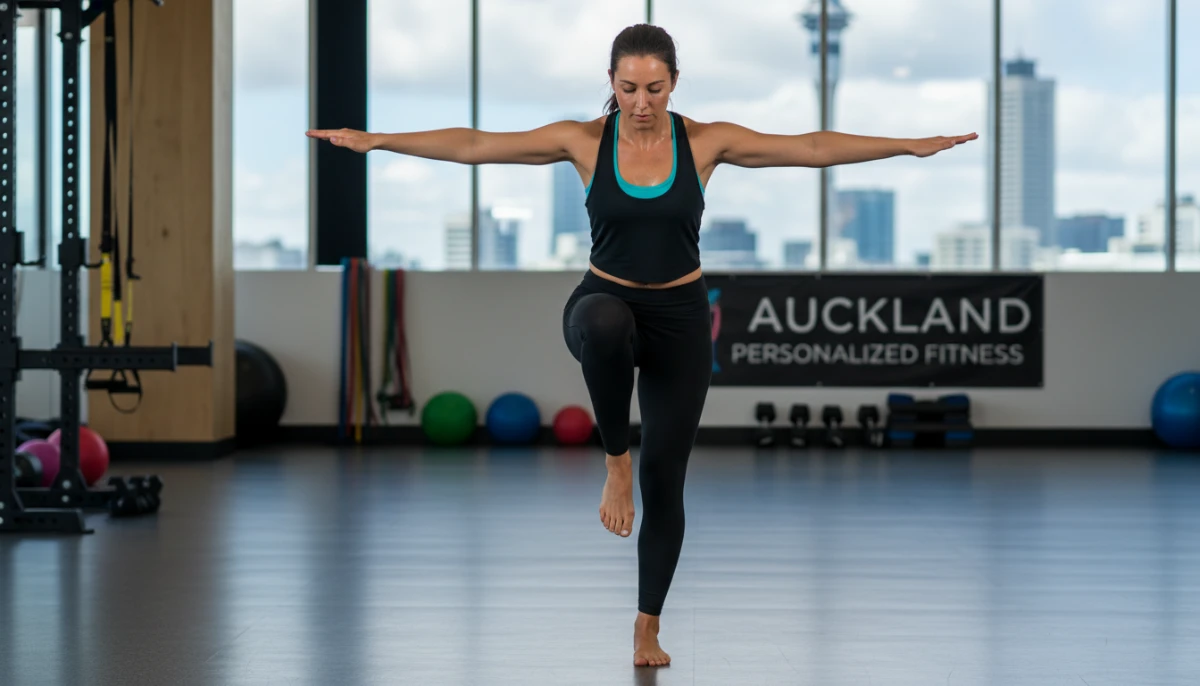
Joint stability is your body’s ability to maintain proper alignment and control movement around a joint. Strong muscles and ligaments surrounding a joint are vital for this. Without good stability, joints are more vulnerable to injury.
Exercises that focus on balance and control, such as single-leg stands, plank variations, and controlled squats, can significantly improve joint stability. These movements challenge the smaller, stabilizing muscles that often get overlooked.
Strengthening for Protection
Consider your knees or shoulders – they rely heavily on surrounding muscles to stay stable. Strengthening these muscles provides a natural “protective shield.” This is especially important for maintaining excellent flexibility mobility joint health as we age.
Incorporating resistance training with light weights or resistance bands can be very beneficial, not just for stability but also for overall muscle development. For those keen on serious progress, exploring Strength & Muscle Gain Transformations offers focused strategies. Focus on proper form to ensure you’re activating the correct muscles and avoiding compensatory movements that could lead to strain.
Dynamic Stretching Routines
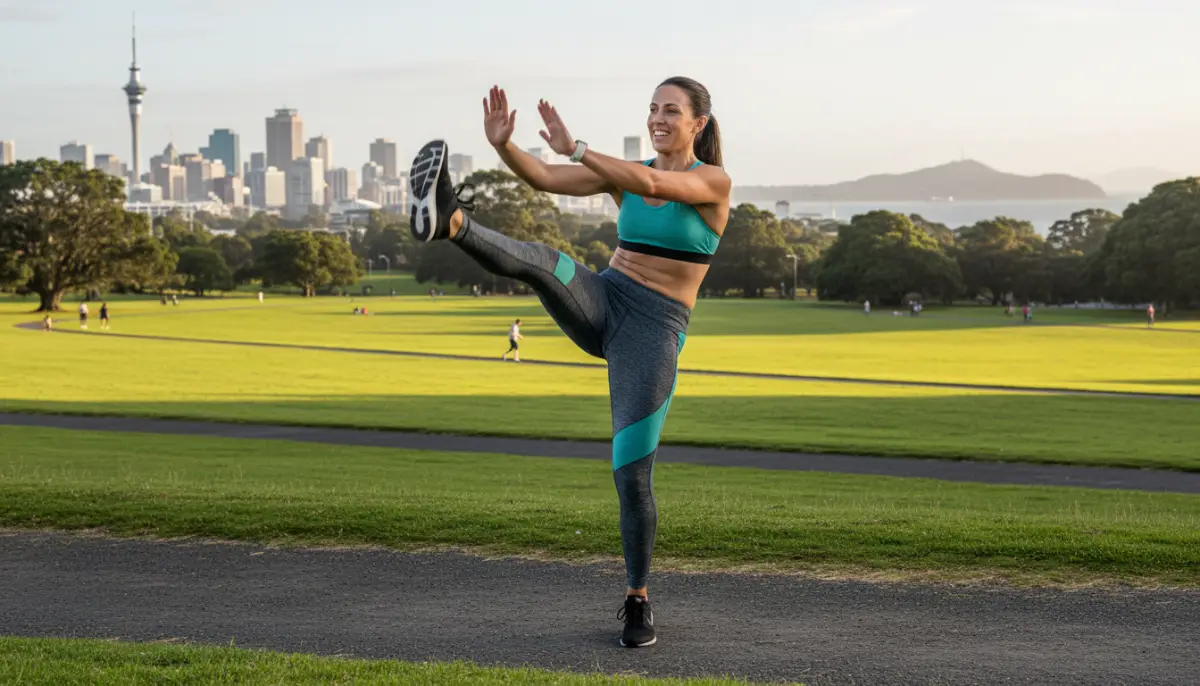
Dynamic stretching involves moving your body through a full range of motion. Unlike static stretches where you hold a position, dynamic stretches prepare your muscles and joints for activity. They increase blood flow and warm up tissues, making them more pliable.
Examples include arm circles, leg swings, torso twists, and walking lunges. These movements mimic actions you might perform during a workout or daily tasks. They are ideal as part of a warm-up routine for optimal performance and injury prevention in 2025.
Benefits Before Exercise
Dynamic stretches activate your nervous system, improving coordination and power. They gently take your joints through their natural movement patterns, reducing stiffness. This preparation is key to unlocking your body’s full potential.
By making dynamic stretches a regular part of your pre-workout ritual, you’re investing in your long-term flexibility mobility joint health. It’s about moving efficiently and safely.
Static Stretching: When and How
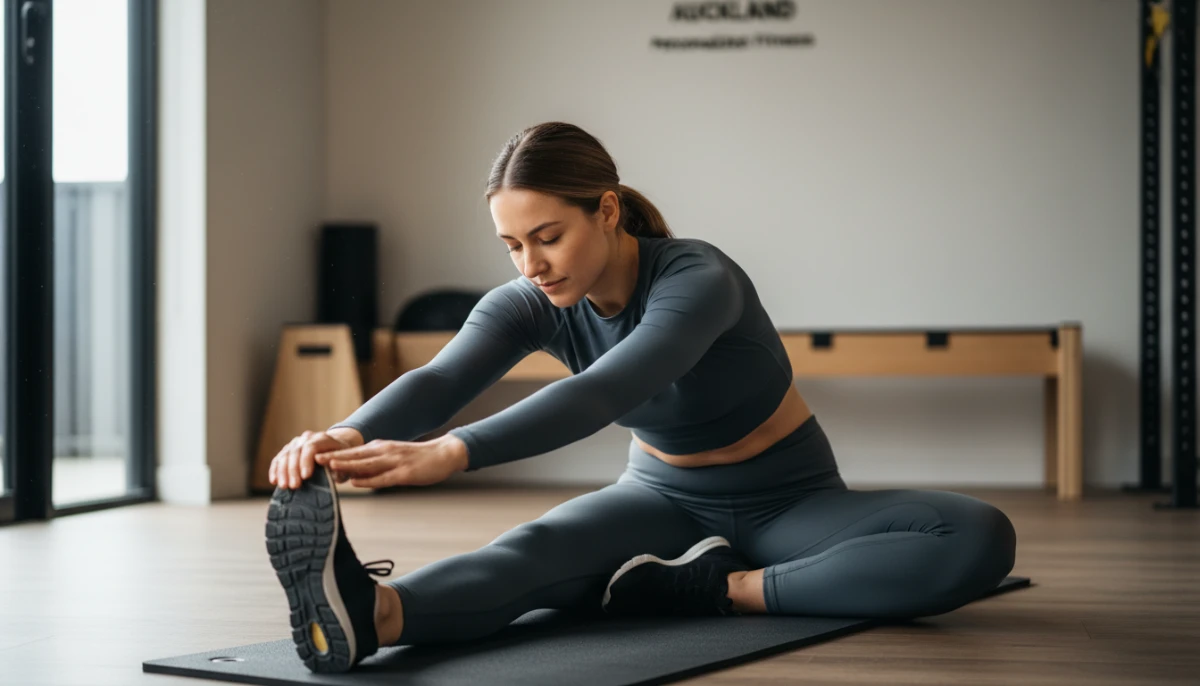
Static stretching involves holding a stretch for a period, typically 20-30 seconds, to lengthen muscles. This type of stretching is best performed after a workout when your muscles are warm and more receptive to lengthening.
Common static stretches include hamstring stretches, quad stretches, and triceps stretches. Remember to breathe deeply and never stretch to the point of pain. A gentle tension is what you’re aiming for.
Post-Workout Essentials
After physical activity, static stretching helps improve overall flexibility and can aid in muscle recovery. It helps restore muscles to their resting length and prevents post-exercise stiffness.
Regular static stretching can improve your resting flexibility, which is crucial for maintaining good posture and preventing chronic tightness. It complements dynamic movements to provide a holistic approach to flexibility mobility joint health.
To truly support your joints and overall fitness journey, nutrition plays a critical role, especially when you’re managing workouts from home. For comprehensive advice on fueling your body effectively, consider these Nutrition Tips for Home Fitness.
Engaging with a supportive community can significantly boost your fitness motivation and provide access to valuable resources. If you’re based in the Auckland area, exploring the Auckland Fitness Community & Local Events can be an excellent way to connect with like-minded individuals and stay active.


