
Recovering from an injury or surgery is a journey, not a destination. While physical therapy plays a crucial role in the initial stages, many find themselves at a critical juncture: the transition from rehabilitation to regaining full strength, mobility, and confidence. This gap can feel daunting, leading to uncertainty about how to safely and effectively return to an active lifestyle.
This is precisely where specialized post injury fitness Auckland services become indispensable. Our goal isn’t just to help you move again, but to help you move better, stronger, and with less risk of future setbacks. Discover how expert guidance can bridge this gap, transforming your recovery into a robust foundation for long-term wellness.
Table of Contents
- The Critical Bridge: From Physical Therapy to Fitness
- Rebuilding Your Foundation: Strengthening Weak Areas Post-Injury
- Unlocking Movement: Enhancing Flexibility and Range of Motion
- Building Resilience: Strategies for Preventing Re-Injury
- Why Professional Guidance Matters for Post-Injury Fitness in Auckland
- Frequently Asked Questions (FAQ)
- References/Sources
The Critical Bridge: From Physical Therapy to Fitness
Physical therapy is essential for acute injury management, pain reduction, and restoring basic function. However, its scope often concludes once fundamental movements are achieved. The challenge then shifts to safely progressing beyond basic exercises to truly rebuild strength, endurance, and sport-specific capabilities.
This transition phase is where many people falter, either doing too much too soon and risking re-injury, or doing too little and failing to regain their full potential. A structured post injury fitness Auckland program provides that crucial next step, offering a tailored pathway designed by experts who understand the nuances of injury recovery.
“Bridging the gap between rehab and full activity is paramount. Without proper progression, the risk of recurrence significantly increases.”

Rebuilding Your Foundation: Strengthening Weak Areas Post-Injury
An injury often leaves specific muscles weakened or compensatory patterns established. Ignoring these imbalances can lead to chronic pain, altered movement, and increased vulnerability to future injuries. Our personalised programs meticulously identify and target these weak links.
Using progressive resistance training and functional movements, we focus on:
- Targeted Muscle Activation: Re-educating muscles that may have ‘switched off’ due to pain or disuse.
- Core Stability: A strong core is foundational for all movements and protects the spine.
- Proprioception and Balance: Enhancing your body’s awareness in space, crucial for stability and injury prevention.
- Gradual Load Progression: Safely increasing the intensity and complexity of exercises to build true resilience.
STAT CALLOUT:
Studies show that individuals who participate in supervised exercise programs post-rehab can reduce their risk of re-injury by up to 50% compared to those who do not. (Source: Journal of Sports Rehabilitation)
Unlocking Movement: Enhancing Flexibility and Range of Motion
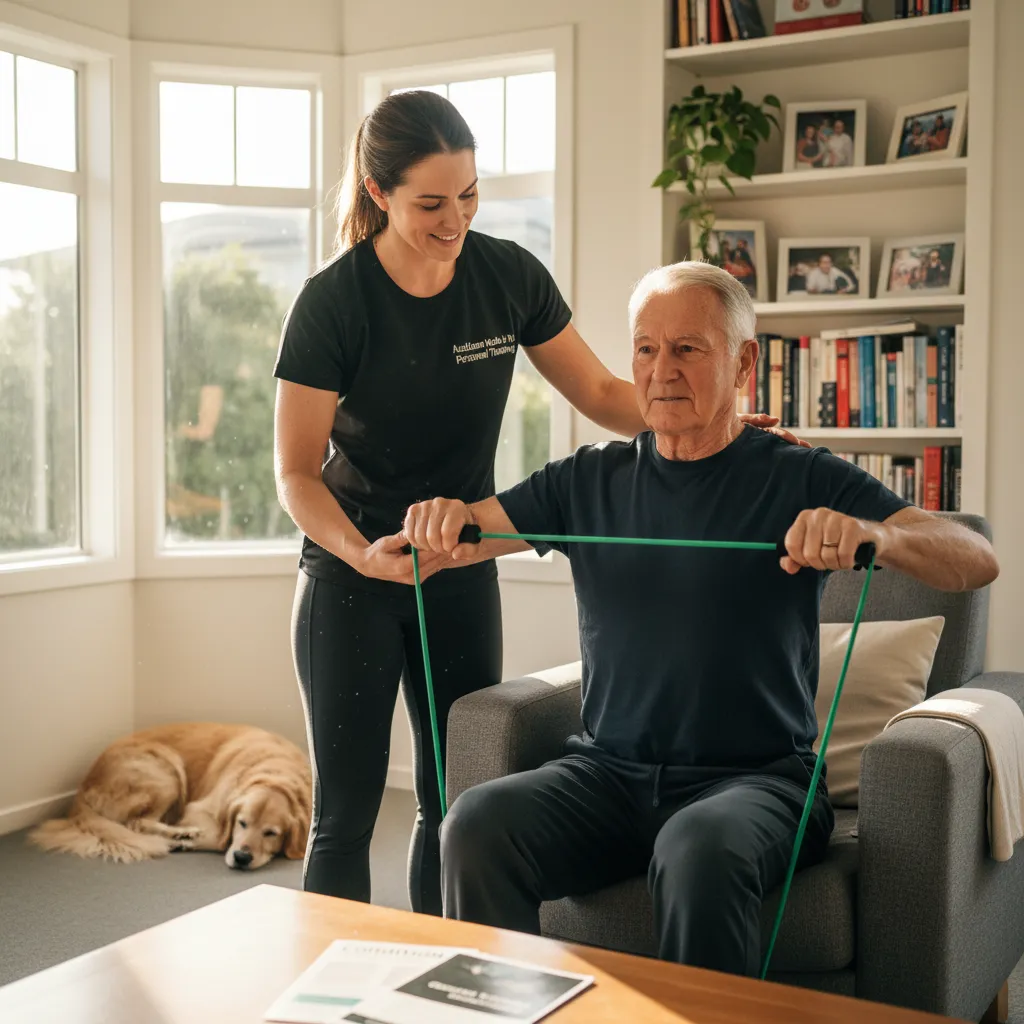
Post-injury, scar tissue formation and protective guarding can significantly limit joint flexibility and overall range of motion. This stiffness not only restricts daily activities but also increases strain on surrounding tissues and joints.
Our expert trainers employ a variety of techniques to restore and enhance your movement capabilities, including:
- Dynamic Stretching: Improving active range of motion, often mimicking movements you’ll use in daily life or sport.
- Static Stretching: Gently elongating muscles to increase passive flexibility.
- Myofascial Release Techniques: Addressing tightness and adhesions in connective tissues.
- Mobility Drills: Targeted exercises that improve joint articulation and movement efficiency.
Each exercise is carefully selected to respect your healing tissues while progressively encouraging greater freedom of movement, ensuring safe and effective progress toward optimal flexibility.

Building Resilience: Strategies for Preventing Re-Injury
The ultimate goal of any post injury fitness Auckland program is not just recovery, but the prevention of future injuries. This requires a holistic approach that goes beyond simply strengthening the injured area.
Our programs integrate key strategies:
- Movement Pattern Correction: Identifying and correcting dysfunctional movement patterns that may have contributed to the original injury.
- Progressive Overload: Gradually challenging your body to adapt and grow stronger, without exceeding its current capacity.
- Education and Awareness: Teaching you how to listen to your body, recognise warning signs, and modify activities when necessary.
- Sport-Specific Conditioning: For athletes, tailoring exercises to the demands of their specific sport to ensure a robust return to play.
STAT CALLOUT:
Up to 30% of individuals experience a recurrence of their initial injury within 12 months if they don’t adequately address underlying weaknesses and movement dysfunctions. (Source: British Journal of Sports Medicine)
Why Professional Guidance Matters for Post-Injury Fitness in Auckland
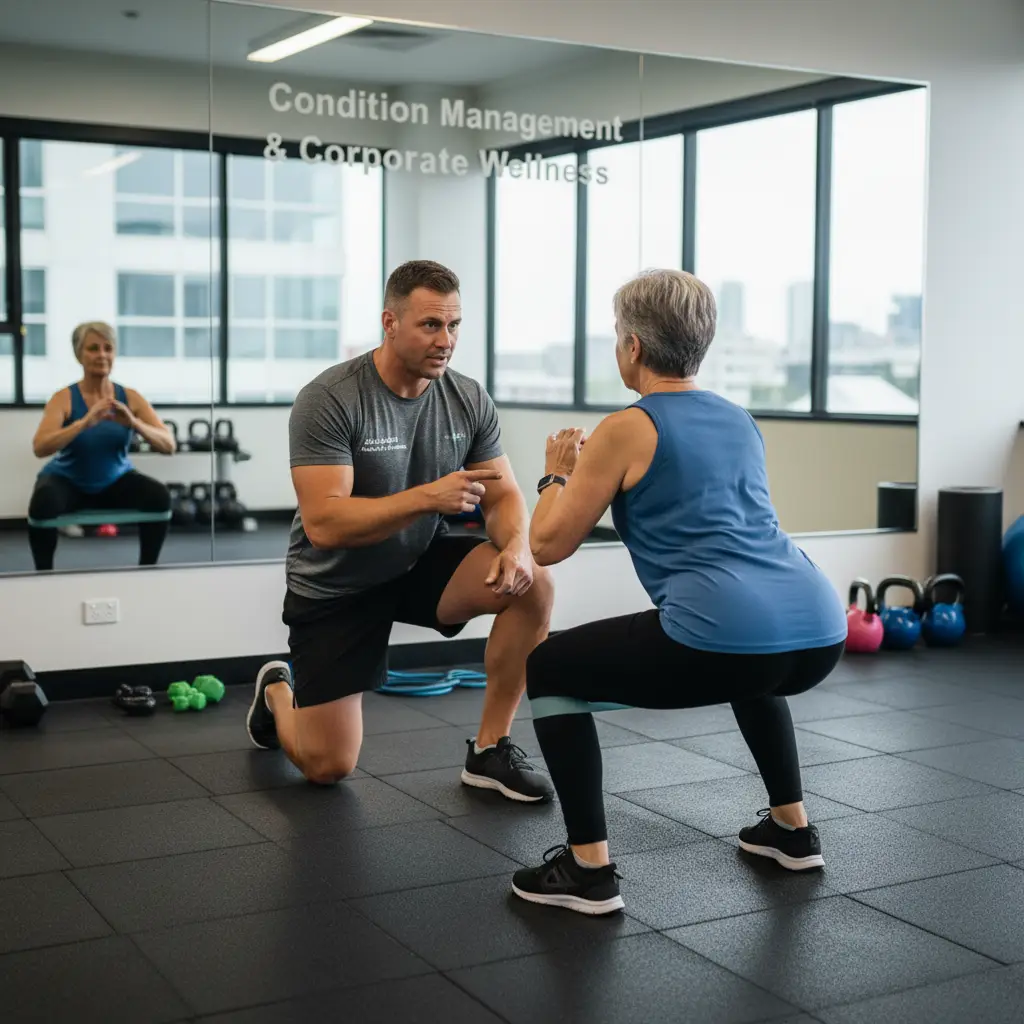
Navigating post-injury fitness independently can be fraught with risks. A qualified personal trainer, experienced in rehabilitation and functional movement, offers unparalleled benefits:
- Personalised Programs: Tailored to your specific injury, recovery stage, and fitness goals.
- Safe Progression: Ensuring exercises are appropriate and scaled correctly to avoid re-injury.
- Expert Supervision: Correcting form, providing motivation, and adapting plans on the fly.
- Holistic Approach: Considering your overall health, lifestyle, and unique needs, whether you’re a senior, managing a condition, or seeking corporate wellness solutions.
- Convenience: Our mobile and hybrid personal training in Auckland brings expert care directly to you, fitting seamlessly into your busy schedule.
Don’t leave your recovery to chance. Invest in expert guidance to ensure a strong, confident, and lasting return to full health and vitality.
Frequently Asked Questions (FAQ)
1. How soon after physical therapy can I start a post-injury fitness program?
The ideal time varies greatly depending on the type and severity of your injury, as well as your individual healing process. Generally, once your physical therapist gives you clearance and you’ve regained basic pain-free movement, you can transition to a specialised fitness program. It’s crucial to consult with both your therapist and your personal trainer to ensure a safe and effective handover.
2. What kind of exercises are safe for post-injury recovery?
Safe exercises are highly individualised but typically start with low-impact, controlled movements focusing on stability, muscle activation, and restoring range of motion. Examples include bodyweight exercises, resistance band work, gentle stretching, and balance drills. As you progress, exercises will become more challenging and functional, always prioritising proper form and listening to your body.
3. Can personal training help prevent re-injury?
Absolutely. A key component of post-injury personal training is re-injury prevention. Trainers focus on identifying and correcting muscle imbalances, improving movement mechanics, enhancing proprioception (body awareness), and gradually strengthening the entire kinetic chain. This comprehensive approach builds resilience and significantly reduces the risk of future setbacks.
4. Is mobile personal training effective for post-injury recovery in Auckland?
Yes, mobile personal training is exceptionally effective. It offers the convenience of expert guidance brought directly to your home or chosen location, eliminating travel stress and allowing you to recover in a comfortable, familiar environment. This personalised, one-on-one attention ensures your program is perfectly suited to your needs and progresses at your pace, making it an excellent choice for post injury fitness Auckland residents.
References/Sources
- Journal of Sports Rehabilitation: “The Effectiveness of Supervised Exercise Programs in Preventing Re-injury.”
- British Journal of Sports Medicine: “Long-term Outcomes and Re-injury Rates Post-Musculoskeletal Injury.”
- American Council on Exercise (ACE): “Bridging the Gap: From Rehabilitation to Performance.”
- National Strength and Conditioning Association (NSCA): “Functional Movement and Injury Prevention.”