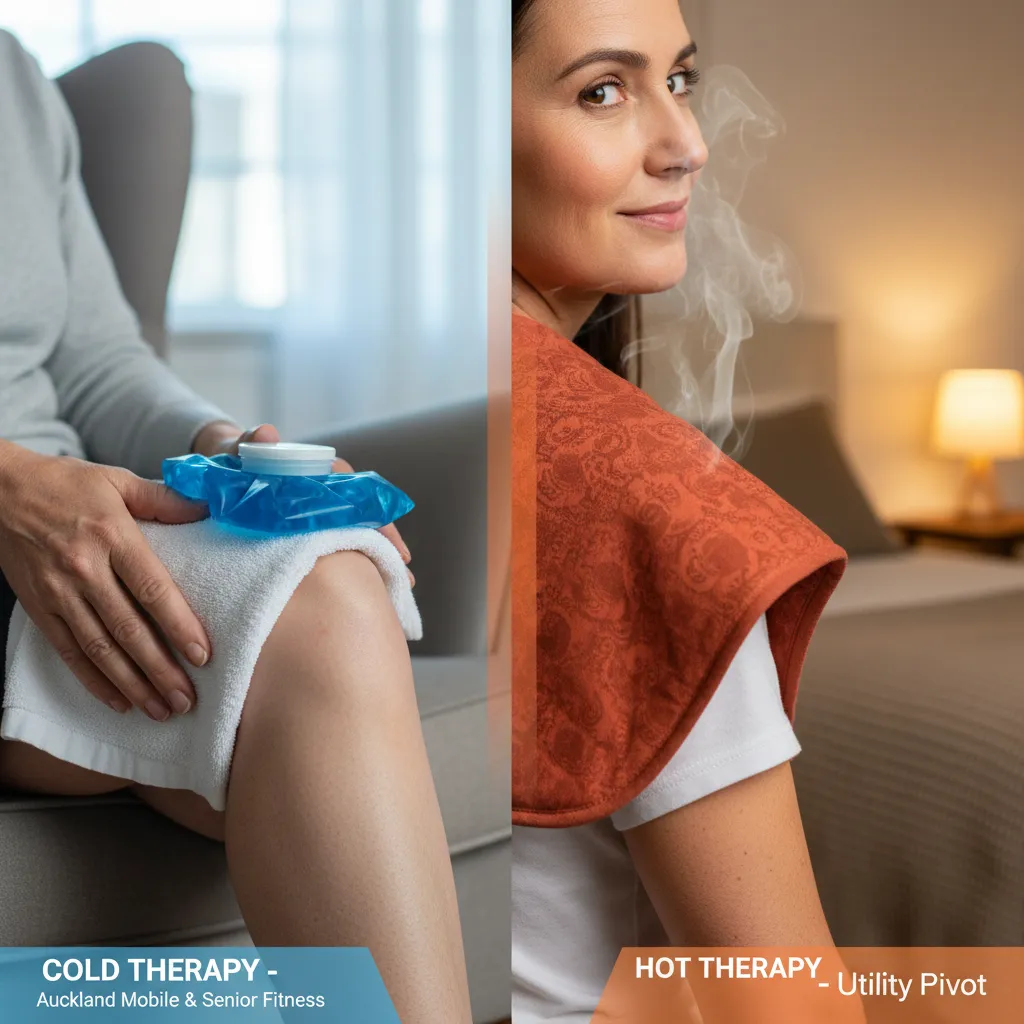
Recovery & Wellness Tools: Fueling Your Active Auckland Lifestyle
Unlock peak performance and accelerate healing with our expert guide to essential post-workout recovery tools. Discover the best strategies and gear for lasting mobility and vitality, especially relevant for active seniors and mobile fitness enthusiasts across Auckland.
Table of Contents
- The Crucial Benefits of Post-Workout Recovery
- Top Massage Guns for Muscle Relief: An NZ Review
- Foam Rollers: Essential Techniques and Benefits
- Compression Gear for Enhanced Performance and Recovery
- Heat and Cold Therapy Tools for Targeted Relief
- Frequently Asked Questions About Recovery Tools
- References & Sources
The Crucial Benefits of Post-Workout Recovery
Whether you’re a seasoned athlete, a casual gym-goer, or an active senior embracing mobile fitness across Auckland, effective post-workout recovery isn’t just a luxury – it’s a necessity. Neglecting recovery can lead to decreased performance, increased injury risk, and prolonged muscle soreness that hinders consistency.
Prioritising recovery allows your body to repair, rebuild, and adapt, making you stronger and more resilient for your next session. It’s about longevity, preventing burnout, and maintaining an active, pain-free lifestyle.
“Optimised recovery isn’t just about bouncing back; it’s about building forward. For older adults and mobile fitness enthusiasts, it’s the bedrock of sustained independence and vitality.”
- Reduced Muscle Soreness: Minimise DOMS (Delayed Onset Muscle Soreness) for quicker return to activity.
- Enhanced Muscle Repair & Growth: Facilitate the natural repair processes, leading to stronger muscles.
- Improved Flexibility & Range of Motion: Prevent stiffness and maintain joint health.
- Injury Prevention: Address muscle imbalances and tightness before they become problems.
- Mental Well-being: Reduce stress and promote relaxation, crucial for overall health.
Top Massage Guns for Muscle Relief: An NZ Review
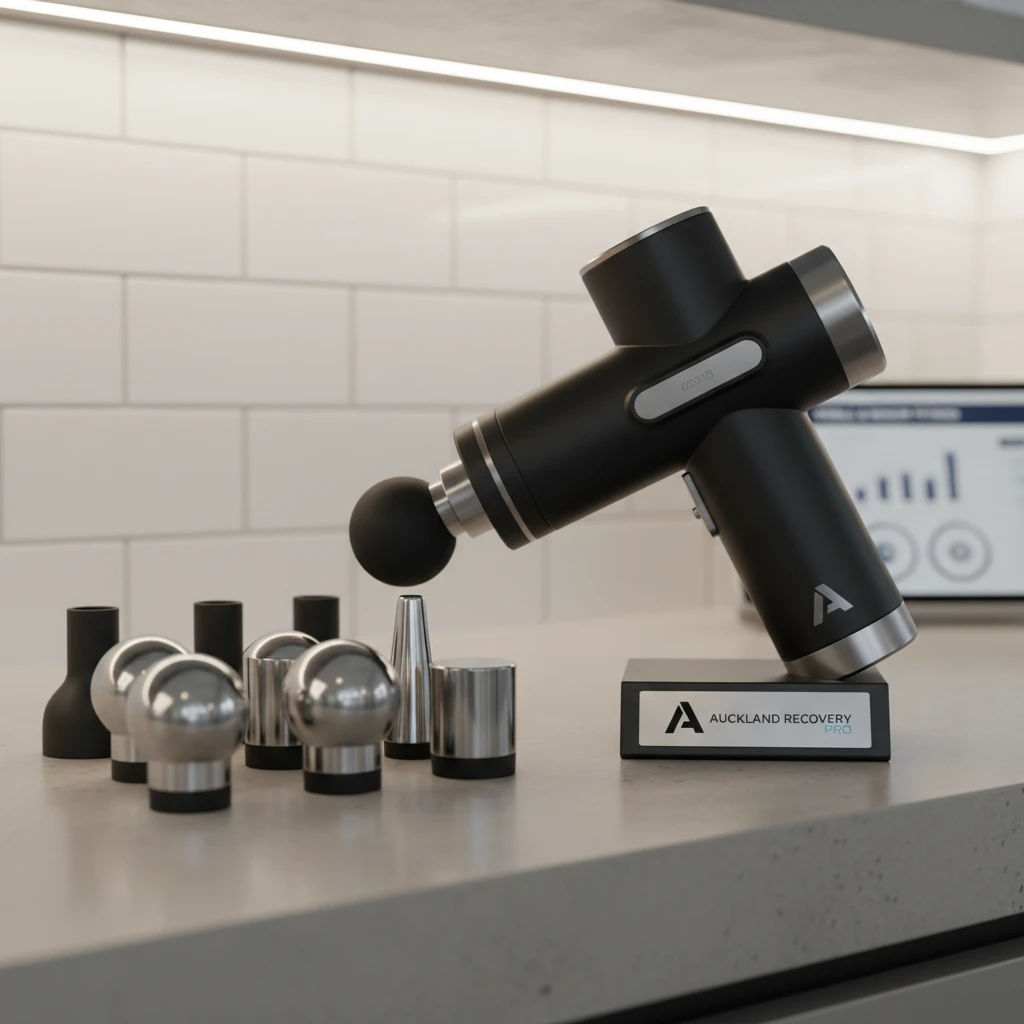
Percussion therapy devices, commonly known as massage guns, have revolutionised personal recovery. These handheld tools deliver rapid, short-amplitude pulses deep into muscle tissue, increasing blood flow, reducing muscle tension, and breaking up knots. For those searching for a comprehensive massage guns NZ review, you’ve come to the right place.
They offer a convenient, on-demand solution for deep tissue massage, perfect for targeting specific areas that foam rollers might miss, or for quick relief after a demanding workout.
Pros and Cons of Using Massage Guns
Pros:
- Targeted Relief: Pinpoint specific sore spots with various attachments.
- Convenience: Portable and easy to use at home or on the go.
- Increased Blood Flow: Promotes circulation, aiding in nutrient delivery and waste removal.
- Reduced DOMS: Can significantly decrease post-exercise muscle soreness.
- Improved Flexibility: Helps release tight muscles, enhancing range of motion.
Cons:
- Cost: Quality devices can be a significant investment.
- Potential for Overuse: Improper use can lead to bruising or injury.
- Noise Level: Some models can be quite loud.
- Not for All Injuries: Should be avoided on acute injuries or bony areas.
Comparing Top Massage Guns Available in NZ
| Feature | Theragun Pro | Hypervolt 2 Pro | Ekko One (NZ Local Favourite) |
|---|---|---|---|
| Stall Force | 60 lbs | ~40 lbs | ~30-40 lbs |
| Battery Life | 300 min (2 swappable batteries) | Up to 3 hours | Up to 6 hours |
| Noise Level | Moderate (Quieter than predecessors) | Very Quiet | Quiet |
| Speed Settings | 5 built-in, custom via app | 5 built-in | 5-speed adjustable |
| Price (NZD Approx.) | $800 – $1000+ | $600 – $800+ | $200 – $400+ |
| Key Differentiator | Professional-grade power, rotating arm, app integration. | Balance of power & quiet operation, comfortable grip. | Excellent value, good power for general use, strong local support. |
Foam Rollers: Essential Techniques and Benefits
The humble foam roller remains a foundational tool in any comprehensive recovery arsenal. Offering a form of self-myofascial release (SMR), foam rolling helps to alleviate muscle tightness, reduce inflammation, and improve circulation through sustained pressure.
It’s particularly effective for larger muscle groups and can significantly improve flexibility and range of motion over time, making it invaluable for pre-workout warm-ups and post-workout cool-downs.
Key Benefits of Foam Rolling:
- Cost-Effective: Accessible recovery tool for all budgets.
- Improved Flexibility: Breaks down adhesions and improves tissue extensibility.
- Increased Blood Flow: Promotes nutrient delivery and waste removal to muscles.
- Reduced Soreness: Alleviates muscle knots and tension.
- Enhanced Mobility: Supports better movement patterns and joint health.
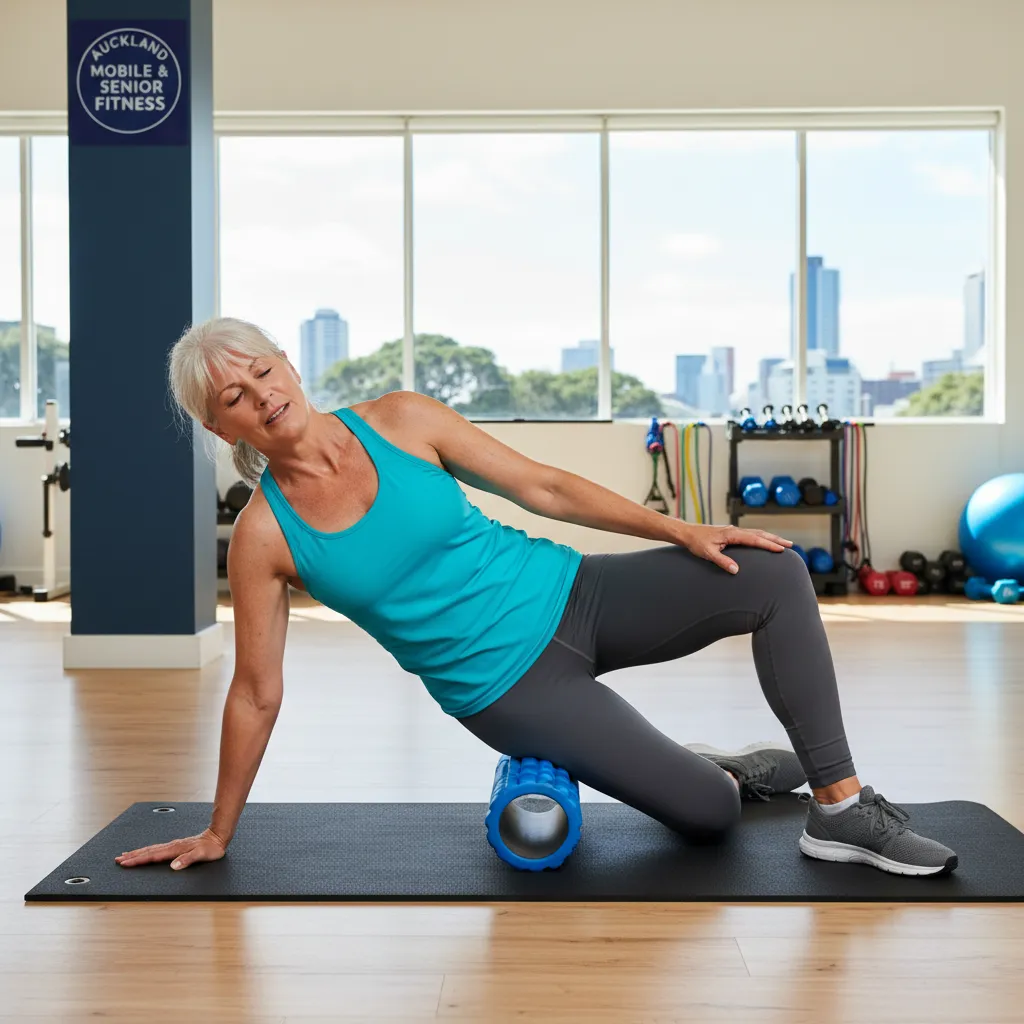
Basic Foam Rolling Techniques:
When using a foam roller, slowly roll back and forth over the muscle group, pausing on any tender spots for 20-30 seconds. Breathe deeply and allow the muscle to relax into the pressure. Focus on major muscle groups like:
- Hamstrings & Quadriceps
- Glutes & Hip Flexors
- Upper Back & Lats
- Calves
Compression Gear for Enhanced Performance and Recovery
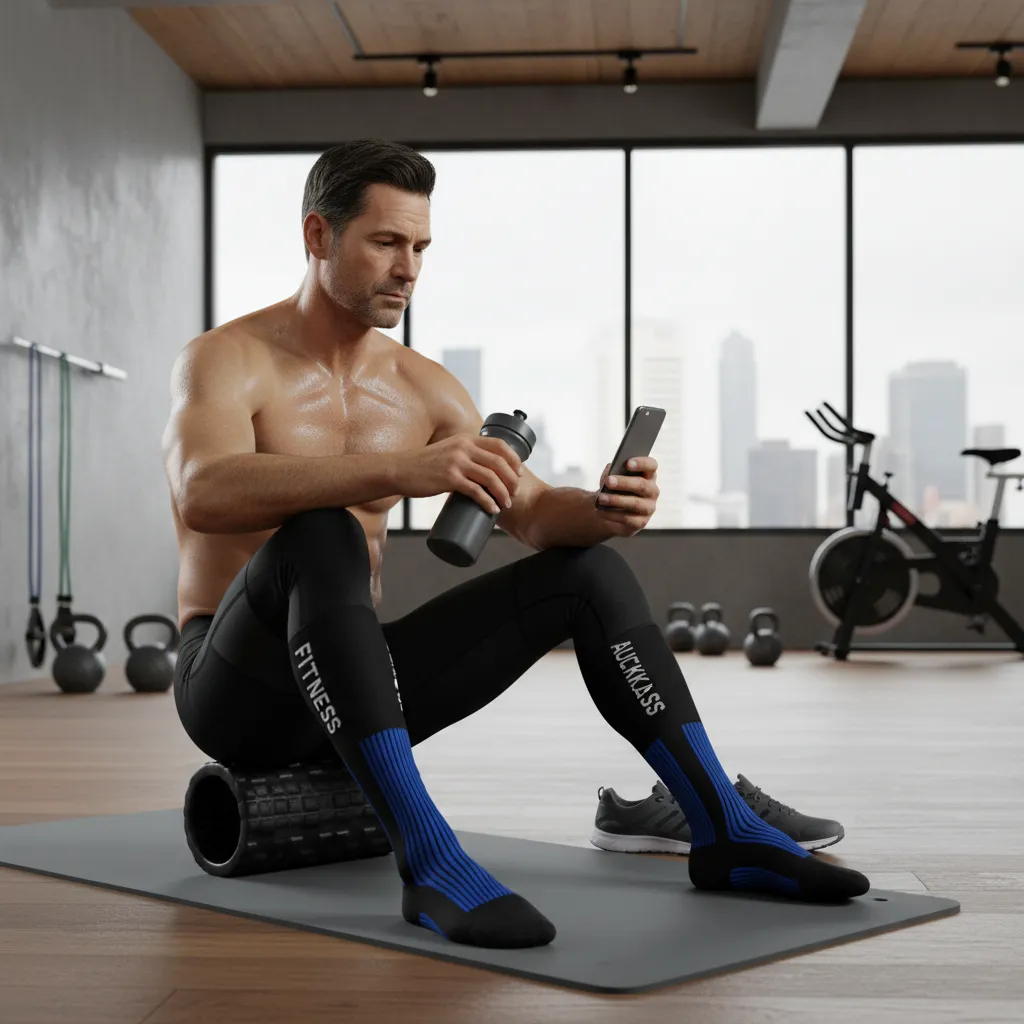
Compression garments – socks, sleeves, and tights – apply graduated pressure to specific body parts, which can be beneficial both during and after physical activity. For athletes and active individuals, especially those with mobile lifestyles, compression gear offers a subtle yet effective boost to recovery.
While the performance benefits during exercise are debated, the recovery advantages are more widely supported, particularly in reducing swelling and improving circulation post-exertion.
How Compression Gear Aids Recovery:
- Improved Blood Flow: Helps circulate blood more efficiently, assisting in the removal of metabolic waste products.
- Reduced Swelling: Minimises fluid retention in limbs, crucial for comfort and mobility.
- Muscle Stabilisation: Can reduce muscle vibration during exercise, potentially lessening micro-damage.
- Decreased DOMS: Users often report less muscle soreness and faster recovery times.
Heat and Cold Therapy Tools for Targeted Relief
The age-old wisdom of applying heat or cold for ailments holds true for muscle recovery. Understanding when to use each can significantly impact your healing process and comfort.
Cold therapy (Cryotherapy) is best for acute injuries, swelling, and inflammation, while Heat therapy is ideal for relaxing stiff muscles, improving blood flow to chronic pain areas, and enhancing flexibility.
Cold Therapy Tools & Benefits:
- Ice Packs/Gel Packs: Reduce swelling and numb pain immediately after injury or intense exercise.
- Cold Water Immersion (Ice Baths): Can reduce systemic inflammation and muscle soreness for full-body recovery.
- Cryotherapy Machines (Localised): Targeted cold application for specific muscle groups.
Best for: Acute injuries, post-workout inflammation, swelling.
Heat Therapy Tools & Benefits:
- Heating Pads/Warm Towels: Increase blood flow, relax tight muscles, and soothe chronic pain.
- Warm Baths/Showers: General relaxation and muscle loosening.
- Heat Wraps: Provide sustained, targeted warmth for stiffness.
Best for: Chronic muscle stiffness, pre-workout warm-up, relaxation.