
Unlock Vitality: The Essential Guide to Strength Training for Seniors in Auckland
As we gracefully navigate the golden years, maintaining a vibrant, active lifestyle becomes paramount. For seniors across Auckland, embracing strength training isn’t just about building muscle; it’s about fortifying independence, enhancing quality of life, and reclaiming youthful vigour. Forget the misconception that strength training is only for the young – for older adults, it’s a cornerstone of healthy aging.
Whether you’re looking to keep up with grandchildren, enjoy Auckland’s beautiful walking trails, or simply tackle daily tasks with greater ease, a well-structured strength program can transform your health. This comprehensive guide will explore why strength training is vital, how to approach it safely, and how personalized programs can benefit strength training seniors Auckland-wide.
Table of Contents
- The Unrivalled Benefits of Strength Training for Seniors
- Crafting Safe & Progressive Strength Programs
- Combating Muscle Loss: Preventing Sarcopenia
- Tailored for You: Custom Workouts for Auckland Seniors
- Frequently Asked Questions (FAQ)
- References & Sources
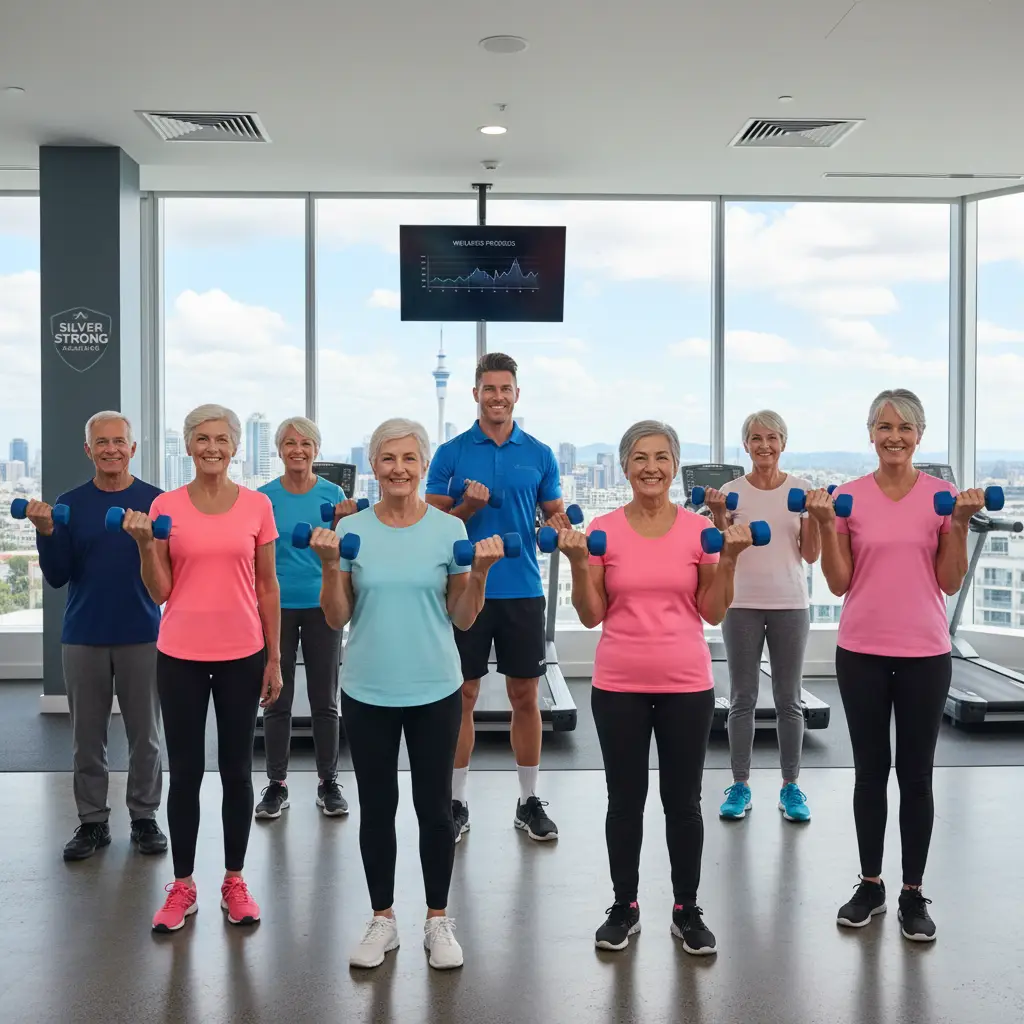
The Unrivalled Benefits of Strength Training for Seniors
The advantages of incorporating regular strength training into your routine are extensive, impacting nearly every aspect of health and well-being. For strength training seniors Auckland residents, these benefits translate directly into a more fulfilling, active life enjoying everything our city has to offer.
- Enhanced Bone Density: Weight-bearing exercises stimulate bone growth, significantly reducing the risk of osteoporosis and fractures.
- Improved Balance & Coordination: Stronger muscles provide better support for joints, leading to enhanced stability and a drastic reduction in fall risk, a major concern for older adults.
- Increased Metabolism & Weight Management: Muscle tissue burns more calories at rest than fat tissue. Building muscle can help maintain a healthy weight and manage conditions like type 2 diabetes.
- Better Mobility & Flexibility: Stronger muscles surrounding joints can improve range of motion, making daily activities like bending, lifting, and reaching much easier.
- Boosted Mood & Cognitive Function: Exercise, especially strength training, releases endorphins, reduces stress, and has been linked to improved cognitive health and memory.
📊 Stat Callout: Studies show that older adults who engage in regular strength training can increase their strength by an average of 25-100%, significantly improving functional independence. (American College of Sports Medicine)
These aren’t just abstract benefits; they are practical improvements that allow you to live life on your terms, whether it’s gardening in Parnell, walking along Mission Bay, or simply confidently navigating your home.
Crafting Safe & Progressive Strength Programs
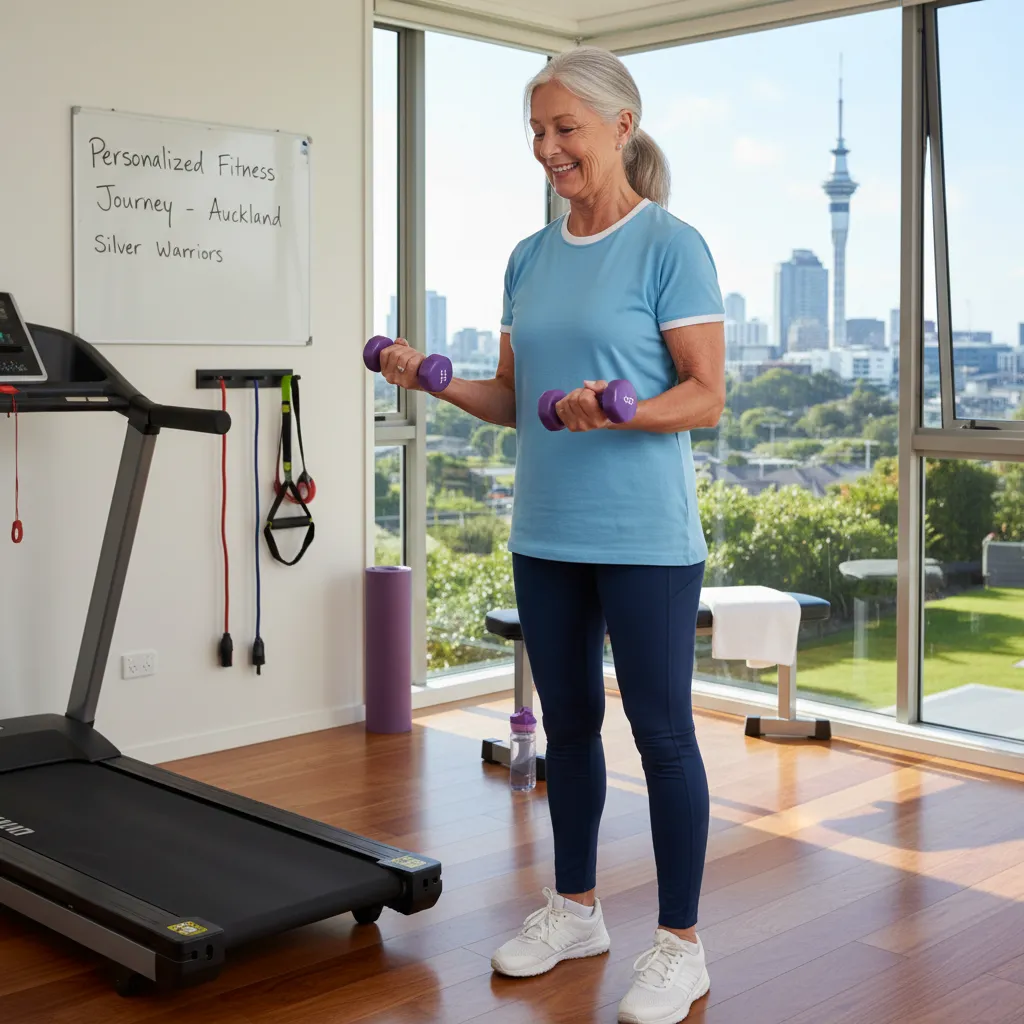
Safety is paramount when embarking on any new fitness journey, especially for older adults. A well-designed program for strength training seniors Auckland residents should prioritize proper form, gradual progression, and listening to your body.
Key Principles for Safe Strength Training:
- Start Slow & Light: Begin with bodyweight exercises or very light weights/resistance bands. Focus on mastering the movement before increasing intensity.
- Warm-up & Cool-down: Always dedicate 5-10 minutes to light cardio and dynamic stretches before your workout, and static stretches afterwards.
- Proper Form Over Weight: Incorrect form can lead to injury. If you’re unsure, seek guidance from a qualified personal trainer.
- Listen to Your Body: Acknowledge discomfort, but distinguish between muscle fatigue and pain. If something hurts, stop.
- Rest & Recovery: Allow 48 hours between strength training sessions for the same muscle group to allow for recovery and growth.
“The journey to greater strength and vitality is a marathon, not a sprint. Consistency and careful progression are your best allies.”
Action Checklist: Getting Started Safely
- Consult your doctor before starting any new exercise program.
- Consider engaging a certified personal trainer, especially one experienced with older adults.
- Choose a variety of exercises that target all major muscle groups (legs, arms, chest, back, core).
- Aim for 2-3 sessions per week on non-consecutive days.

Combating Muscle Loss: Preventing Sarcopenia
One of the most significant challenges associated with aging is sarcopenia – the progressive loss of muscle mass, strength, and function. This natural process typically begins in your 30s and accelerates after 60, but it is far from inevitable to succumb to its worst effects.
Sarcopenia can lead to weakness, frailty, increased fall risk, and a decline in overall physical performance. The good news? Strength training is the most effective intervention known to prevent and even reverse sarcopenia.
- Stimulates Muscle Protein Synthesis: Resistance exercises tear down and rebuild muscle fibers stronger and larger.
- Maintains Metabolic Rate: Preserving muscle mass helps keep your metabolism active, aiding in energy levels and healthy body composition.
- Enhances Functional Independence: By maintaining strong muscles, seniors can continue performing activities of daily living (ADLs) without assistance.
Coupled with adequate protein intake and a balanced diet, consistent strength training is your best defense against the debilitating effects of muscle loss, ensuring you remain robust and independent throughout your later years in Auckland.
Tailored for You: Custom Workouts for Auckland Seniors
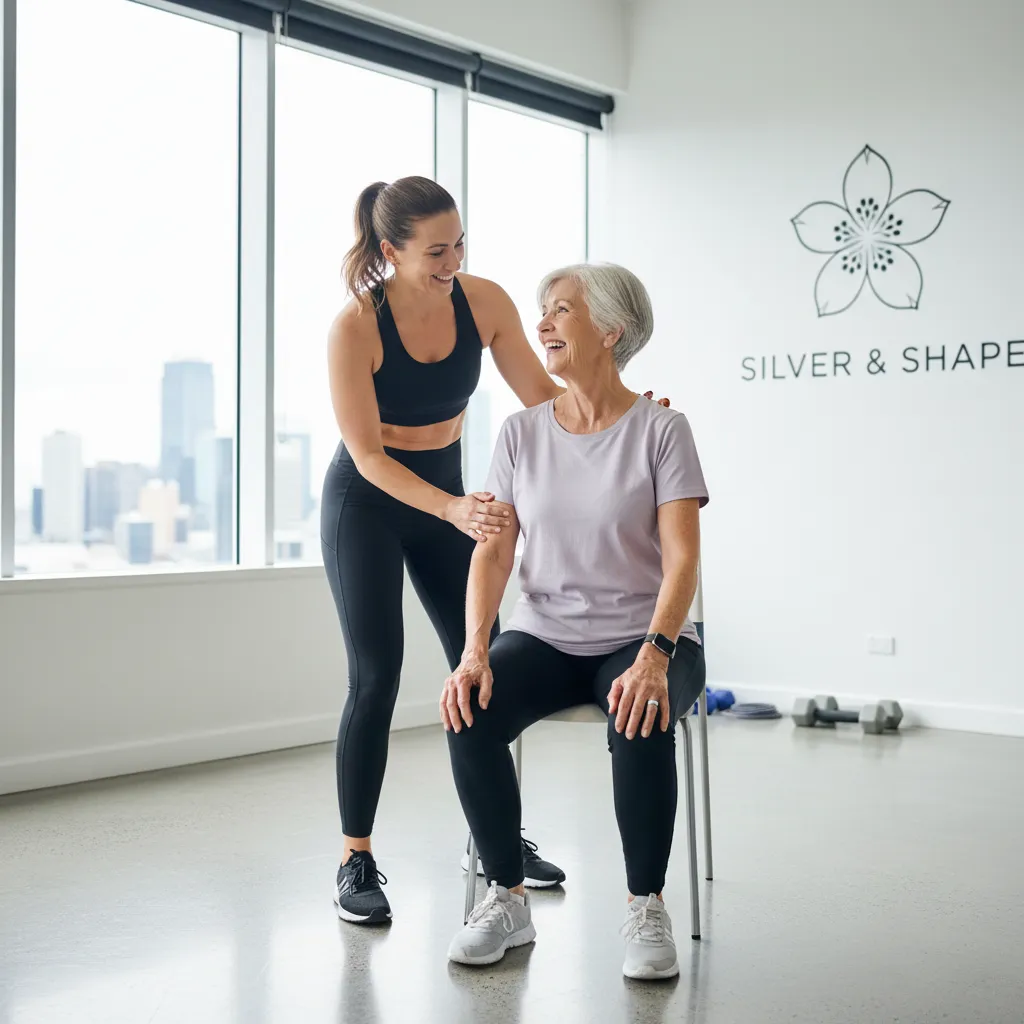
Every individual is unique, and so too should be their fitness journey. For strength training seniors Auckland-wide, a personalized approach yields the best and safest results. Factors like current fitness level, health conditions, mobility, and personal goals all play a crucial role in designing an effective program.
This is where professional guidance truly shines. A certified personal trainer specializing in senior fitness can:
- Assess Your Starting Point: Conduct a thorough evaluation of your strength, balance, flexibility, and any physical limitations.
- Design a Bespoke Program: Create exercises tailored to your body and goals, ensuring movements are safe and effective.
- Provide Expert Guidance: Teach proper form and technique, reducing the risk of injury and maximizing results.
- Offer Motivation & Accountability: Help you stay consistent and adjust your program as you progress.
- Integrate Wellness Aspects: Incorporate elements like mobility drills, balance exercises, and even nutritional advice.
Whether you prefer one-on-one sessions, small group classes, or even in-home training, Auckland offers a variety of options for seniors seeking expert fitness guidance. Investing in a custom workout ensures your journey to greater strength is effective, enjoyable, and perfectly suited to your needs.
Embrace a Stronger, More Vibrant Future
Strength training is more than just an exercise; it’s an investment in your future self. For strength training seniors Auckland residents, it means unlocking greater independence, enjoying the stunning local environment with more vigour, and maintaining a high quality of life for years to come.
Don’t let age be a barrier to your potential. With safe, progressive, and personalized programs, you can build strength, prevent muscle loss, and rediscover a renewed sense of vitality. Take the first step today – your stronger self awaits!
Frequently Asked Questions (FAQ)
-
Is strength training safe for all seniors?
While strength training is highly beneficial for most older adults, it’s crucial to consult your doctor before starting any new exercise regimen, especially if you have pre-existing health conditions or mobility issues. A qualified trainer can then design a program that is safe and appropriate for your individual needs.
-
How often should seniors do strength training?
For most seniors, the recommendation is 2-3 strength training sessions per week, with at least 48 hours of rest for the same muscle groups between workouts. Consistency is more important than intensity in the beginning.
-
What type of exercises are best for older adults?
Effective exercises include bodyweight movements (e.g., squats, lunges with support, push-ups against a wall), resistance bands, light dumbbells, and even using everyday objects. Focus on compound movements that work multiple muscle groups and mimic daily activities.
-
Can strength training help with joint pain?
Yes, absolutely. Stronger muscles provide better support and stability for joints, which can significantly alleviate pain associated with conditions like arthritis. Improved flexibility and mobility from consistent training also contribute to reduced discomfort.
-
Where can I find personalized strength training for seniors in Auckland?
Auckland has numerous fitness professionals and studios specializing in senior fitness. Look for certified personal trainers with experience working with older adults, often found at community centers, specialized wellness clinics, or offering mobile/in-home services. Our platform connects you with experts right here in Auckland.
References & Sources
- American College of Sports Medicine. (2019). ACSM’s Guidelines for Exercise Testing and Prescription (10th ed.). Wolters Kluwer.
- Harvard Health Publishing. (2020). Strength training builds more than muscles. Retrieved from health.harvard.edu
- National Institute on Aging. (2021). Exercise and Physical Activity. Retrieved from nia.nih.gov
- Physical Activity Guidelines for Americans (2nd ed.). (2018). U.S. Department of Health and Human Services.