
Are you an Auckland senior living with arthritis, or a mobile professional experiencing its early signs? You’re not alone. Joint pain and stiffness can feel debilitating, often leading to a reluctance to move. However, the truth is, movement is medicine when it comes to managing arthritis. Far from worsening your condition, the right exercises for seniors with arthritis can significantly alleviate discomfort, boost mobility, and dramatically improve your quality of life.
At [Your Brand Name], we understand the unique challenges faced by the Silver Economy and busy professionals in Auckland. That’s why we’re dedicated to providing Specialized Personal Training Services that are safe, effective, and tailored to your specific needs. This comprehensive guide will empower you with the knowledge and practical steps to embrace an active lifestyle, even with arthritis.
Table of Contents
- What are Exercises for Seniors with Arthritis?
- Key Benefits of Exercise for Arthritis Management
- Gentle & Effective Exercises for Seniors with Arthritis (Step-by-Step Guide)
- Integrating Personalized Fitness into Your Auckland Lifestyle
- Your Action Checklist for Daily Joint Health
- Conclusion
- FAQ
- References/Sources
What are Exercises for Seniors with Arthritis?
Arthritis encompasses over 100 conditions that affect joints, causing pain, stiffness, and swelling. For seniors, osteoarthritis (OA) and rheumatoid arthritis (RA) are among the most common. While it might seem counterintuitive, regular, gentle exercise is one of the most effective strategies for managing these conditions. The right exercises for seniors with arthritis aren’t about high-impact workouts or pushing through extreme pain; they’re about smart, targeted movements that support joint health without causing further damage.
Essentially, these exercises focus on improving flexibility, building strength around affected joints, enhancing balance, and maintaining cardiovascular health. They are typically low-impact, meaning they put minimal stress on the joints, and can often be modified to suit individual pain levels and mobility. Think aquatic exercises, Managing Stress with Gentle Exercise, tai chi, walking, and specific therapeutic movements.

Key Benefits of Exercise for Arthritis Management
Embracing an active lifestyle, specifically tailored exercises for seniors with arthritis, offers a multitude of benefits that extend far beyond just your joints. For Auckland seniors and mobile professionals managing this condition, these advantages are crucial:
- Reduced Joint Pain and Stiffness: Movement helps circulate synovial fluid, which lubricates joints, reducing friction and discomfort.
- Improved Joint Function and Mobility: Regular exercise can help maintain or even increase range of motion, making daily tasks easier.
- Increased Muscle Strength: Stronger muscles around joints provide better support and stability, reducing stress on the affected areas.
- Enhanced Balance and Coordination: Crucial for preventing falls, which can be particularly detrimental for individuals with arthritis.
- Weight Management: Maintaining a healthy weight reduces the load on weight-bearing joints like knees and hips, significantly easing arthritis symptoms.
- Better Mood and Energy Levels: Physical activity is a natural mood booster, combating fatigue and the emotional toll that chronic pain can take.
- Improved Sleep Quality: Regular exercise can contribute to more restful sleep, helping the body recover.
Stat Callout: The Power of Movement
Did you know that regular physical activity can reduce arthritis pain by up to 25%? Studies consistently show that even moderate exercise helps strengthen muscles, improve joint flexibility, and decrease inflammation, leading to a significant improvement in quality of life for seniors with arthritis. It’s truly a cornerstone of effective arthritis management!
Gentle & Effective Exercises for Seniors with Arthritis (Step-by-Step Guide)
Before starting any new exercise regimen, especially with arthritis, it’s vital to consult your doctor or a qualified physiotherapist. They can help you determine the safest and most effective routine for your specific condition. Here are some gentle yet powerful exercises for seniors with arthritis you can start with, focusing on stability, flexibility, and strength.
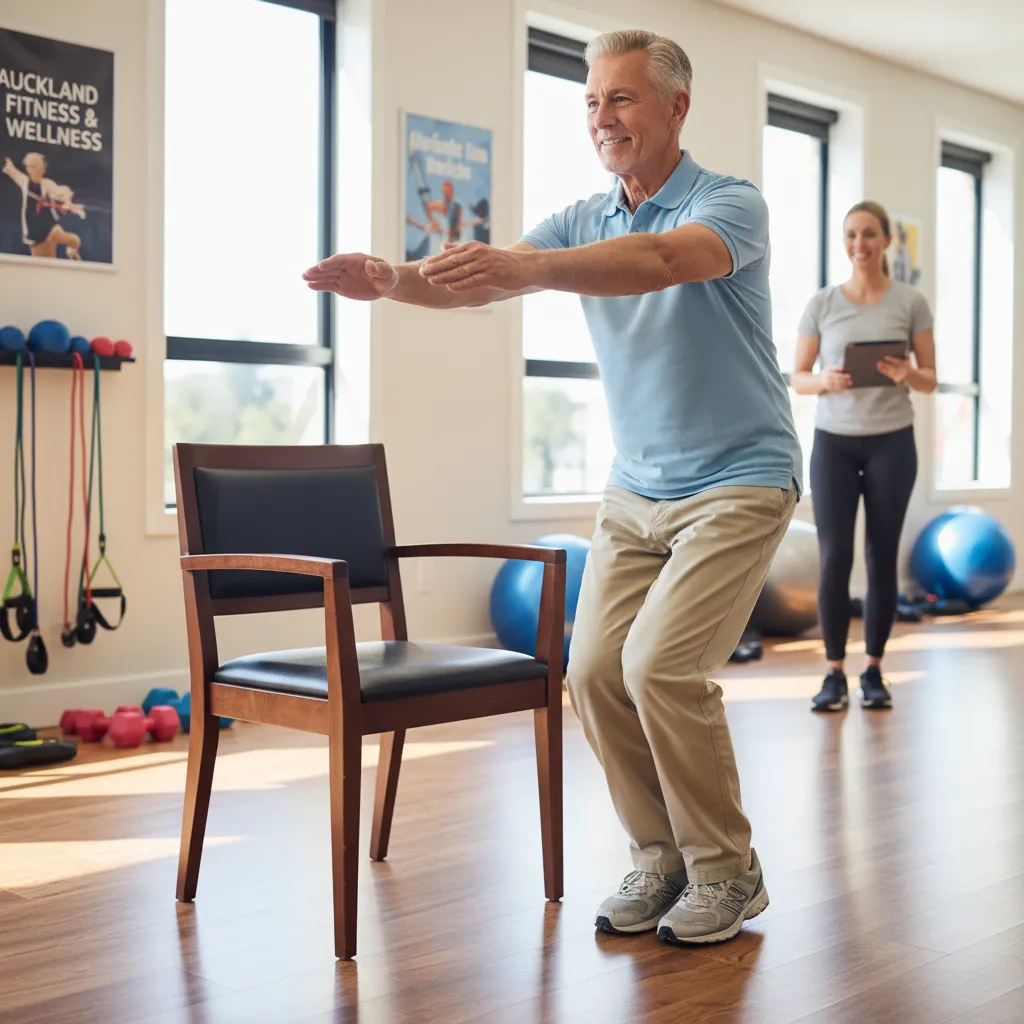
1. Chair Stands
This exercise builds leg strength, crucial for walking and balance, without excessive joint impact.
- How-to: Sit tall in a sturdy chair with your feet flat on the floor, shoulder-width apart. Lean slightly forward, then push through your heels to stand up slowly. Control your descent back to the chair, barely touching it before standing again.
- Benefits: Strengthens quadriceps and glutes, improves functional mobility.
- Safety Tip: Use a chair with arms for support if needed. Don’t go so low that you ‘plop’ into the chair.
2. Seated Knee Bends
Excellent for improving knee flexibility and circulation.
- How-to: Sit on the edge of a chair with your feet flat. Extend one leg straight out in front of you, keeping your heel on the floor. Hold for a few seconds, feeling a gentle stretch, then slowly bring it back. Repeat with the other leg.
- Benefits: Increases knee joint range of motion, reduces stiffness.
- Safety Tip: Move slowly and only within a pain-free range.
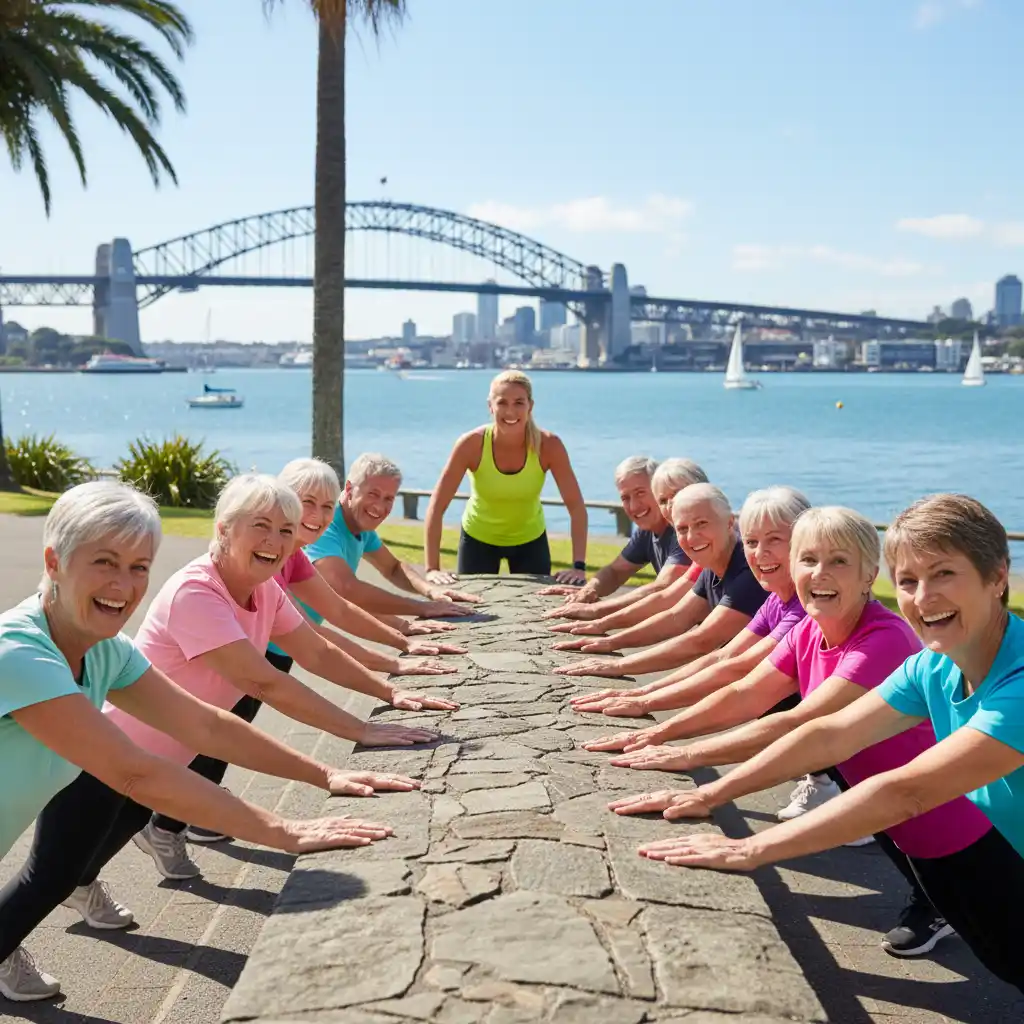
3. Wall Push-Ups
A safe way to build upper body and core strength without putting strain on wrists or shoulders.
- How-to: Stand facing a wall about arm’s length away, feet shoulder-width apart. Place your palms flat on the wall, slightly wider than shoulder-width. Slowly bend your elbows, bringing your chest towards the wall. Push back to the starting position.
- Benefits: Strengthens chest, shoulders, and triceps, improves posture.
- Safety Tip: Keep your body in a straight line, engaging your core. Don’t let your hips sag.
4. Gentle Neck Rotations
Helps relieve stiffness in the neck and upper back, common with certain types of arthritis.
- How-to: Sit or stand tall. Slowly turn your head to look over your right shoulder, holding for a few seconds. Return to center. Repeat to the left. Then, gently tilt your right ear towards your right shoulder, hold, and repeat on the other side.
- Benefits: Improves neck flexibility and reduces tension.
- Safety Tip: Keep movements slow and fluid. Avoid fast, jerky motions. Do not tilt your head backwards.
5. Ankle Pumps
Simple yet effective for increasing circulation in the lower legs and maintaining ankle flexibility.
- How-to: Sit or lie down comfortably. Point your toes away from you, feeling a stretch in the top of your foot and shin. Then, flex your foot, pulling your toes towards your body, feeling a stretch in your calf. Repeat.
- Benefits: Reduces swelling, improves blood flow, maintains ankle mobility.
- Safety Tip: Perform gently, especially if you have sensitive ankles or feet.
Integrating Personalized Fitness into Your Auckland Lifestyle
Whether you’re enjoying the vibrant culture of Auckland’s city centre or the serene beaches of the North Shore, incorporating movement into your daily life is key. Our personalized approach at [Your Brand Name] means we consider your specific arthritis type, pain levels, and lifestyle goals. We can help you integrate exercises for seniors with arthritis into a routine that feels sustainable and enjoyable.
“The journey to better joint health begins with a single, thoughtful step. Don’t let arthritis define your potential for an active, fulfilling life in Auckland.”
Consider working with a certified personal trainer specializing in senior fitness and chronic conditions. They can provide modifications, ensure correct form, and build a progressive program to maximize your benefits while minimizing risks.

Your Action Checklist for Daily Joint Health
To make your journey towards better joint health successful, consider this daily checklist:
- Listen to Your Body: Pain is a signal. Don’t push through sharp pain. Modify or rest.
- Warm-Up & Cool-Down: Always begin with 5-10 minutes of light aerobic activity and end with gentle stretches.
- Stay Hydrated: Water is essential for joint lubrication and overall health.
- Pace Yourself: Start slow, gradually increase duration and intensity. Consistency is more important than intensity.
- Seek Professional Guidance: Consult your doctor or a physical therapist before starting a new exercise program, especially with arthritis.
- Incorporate Variety: Mix low-impact cardio, strength training, and flexibility exercises to work different muscle groups and keep it interesting.
- Consider Aquatic Exercise: Water therapy can be incredibly beneficial, as buoyancy reduces joint stress.
Conclusion
Living with arthritis doesn’t mean resigning yourself to a life of limited mobility and constant pain. By incorporating smart, gentle exercises for seniors with arthritis into your routine, you can regain control, reduce discomfort, and vastly improve your overall well-being. Remember, consistency and a personalized approach are your greatest allies.
At [Your Brand Name], we’re here to guide Auckland’s Silver Economy and mobile professionals toward a more active, vibrant future. Don’t let arthritis hold you back – embrace the power of movement and discover a life with less pain and more joy.
FAQ: Exercises for Seniors with Arthritis
-
Q: Is exercise really safe for all types of arthritis?
A: Generally, yes, but with crucial caveats. Low-impact, gentle exercises are typically recommended for most types of arthritis, including osteoarthritis and rheumatoid arthritis. However, the specific type, intensity, and duration of exercise should always be discussed with your doctor or a physical therapist, especially during flare-ups or if you have severe joint damage. They can tailor a safe and effective plan.
-
Q: What kind of pain means I should stop exercising?
A: It’s important to distinguish between muscle soreness (which is often normal after exercise) and joint pain. If you experience sharp, stabbing pain, new or increasing swelling, or pain that persists for more than two hours after exercise, you should stop and consult your healthcare provider. A good rule of thumb is to exercise within a comfortable range of motion.
-
Q: How often should seniors with arthritis exercise?
A: The general recommendation for adults, including seniors with arthritis, is at least 150 minutes of moderate-intensity aerobic activity per week, along with strength training two or more days a week. For arthritis, this often translates to short, frequent bouts of activity (e.g., 10-15 minutes several times a day) rather than one long session, especially when starting. Listen to your body and build up gradually.
-
Q: Can I walk if I have arthritis in my knees or hips?
A: Yes, walking is often highly beneficial! It’s a low-impact exercise that can improve joint function, strengthen supporting muscles, and help with weight management. Start with short distances and slow paces on even surfaces. Consider using assistive devices if needed, and comfortable, supportive footwear. If walking causes significant pain, explore other options like swimming or cycling.
-
Q: How can personalized fitness help with my arthritis in Auckland?
A: Personalized fitness, especially from a specialist in Mental Wellness for Athletes in Auckland, means your exercise program is custom-designed for your specific type of arthritis, pain points, mobility levels, and lifestyle. Instead of generic advice, you get a plan that adapts to your body’s unique needs, helping you progress safely and effectively, potentially incorporating local resources or activities relevant to the Auckland environment.
References/Sources
- Arthritis Foundation. (n.d.). Exercise and Arthritis. Retrieved from www.arthritis.org
- Centers for Disease Control and Prevention. (2022). Physical Activity for Arthritis. Retrieved from www.cdc.gov/arthritis
- Mayo Clinic. (2023). Arthritis pain: Do’s and don’ts. Retrieved from www.mayoclinic.org
- National Institute of Arthritis and Musculoskeletal and Skin Diseases. (2021). Exercise and Physical Activity. Retrieved from www.niams.nih.gov
- World Health Organization. (2020). WHO guidelines on physical activity and sedentary behaviour. Retrieved from www.who.int


