
Unlocking Vitality: The Remarkable Benefits of Strength Training Over 60
As we gracefully navigate through life’s decades, maintaining peak physical and mental well-being becomes paramount. For individuals over 60, the concept of ‘strength training’ might conjure images of intense gym sessions, but the reality is far more accessible and profoundly impactful. Far from being an activity reserved for the young, strength training is a cornerstone of healthy aging, offering a powerful shield against age-related decline and unlocking a renewed sense of vitality.
Are you an Auckland senior or a mobile professional seeking to defy age and embrace a stronger, more independent future? Let’s explore the compelling benefits of strength training over 60 and how it can transform your golden years.
Table of Contents
- Unlocking Vitality: The Remarkable Benefits of Strength Training Over 60
- Why Strength Training is Essential Over 60
-
Key Benefits of Strength Training for Seniors
- Preserving Muscle Mass and Combating Sarcopenia
- Boosting Bone Density and Preventing Osteoporosis
- Enhancing Balance, Stability, and Reducing Fall Risk
- Improving Metabolism and Healthy Weight Management
- Alleviating Joint Pain and Managing Chronic Conditions
- Elevating Mood, Cognitive Function, and Mental Well-being
- Increasing Functional Independence and Quality of Life
- Getting Started with Strength Training Over 60
- Conclusion: Invest in Your Strength, Invest in Your Future
- Frequently Asked Questions (FAQ)
- References & Sources
Why Strength Training is Essential Over 60
As we age, our bodies undergo natural changes. One significant process is sarcopenia, the progressive loss of muscle mass and strength, which typically begins in our 30s and accelerates after 60. This isn’t just about losing a youthful physique; it impacts everything from balance and mobility to metabolism and overall independence.
Strength training directly counters sarcopenia and its associated risks. It involves using resistance to induce muscular contraction, which builds strength, anaerobic endurance, and the size of skeletal muscles. This can be done using weights, resistance bands, or even your own body weight. It’s about empowering your body to remain robust, active, and resilient for years to come.

“Age is just a number when your muscles are strong. Strength training provides the framework for a vibrant, independent life over 60.”
Key Benefits of Strength Training for Seniors
The advantages of incorporating a regular strength training regimen into your life after 60 are extensive. Here are some of the most compelling reasons why it should be a priority for your health and well-being:
1. Preserving Muscle Mass and Combating Sarcopenia
As mentioned, sarcopenia is a major concern for seniors. Regular resistance exercise is the most effective way to slow, halt, and even reverse this muscle loss, thereby preserving your strength and physical capacity.
Studies show that adults can lose 3-8% of their muscle mass per decade after age 30, a rate that increases significantly after 60. Strength training can mitigate this, leading to improvements in muscle strength by up to 25-100% in older adults.
2. Boosting Bone Density and Preventing Osteoporosis
Just like muscles, bones respond to stress by becoming stronger. Weight-bearing and resistance exercises stimulate bone formation, helping to prevent or slow bone loss associated with osteoporosis, a condition prevalent in seniors, especially women.
Stronger bones mean a reduced risk of fractures from falls, which can have devastating consequences for older adults.
3. Enhancing Balance, Stability, and Reducing Fall Risk
Improved muscle strength directly translates to better balance and coordination. Stronger legs, core, and back muscles provide a more stable foundation, significantly reducing the risk of falls – a leading cause of injury among the elderly.
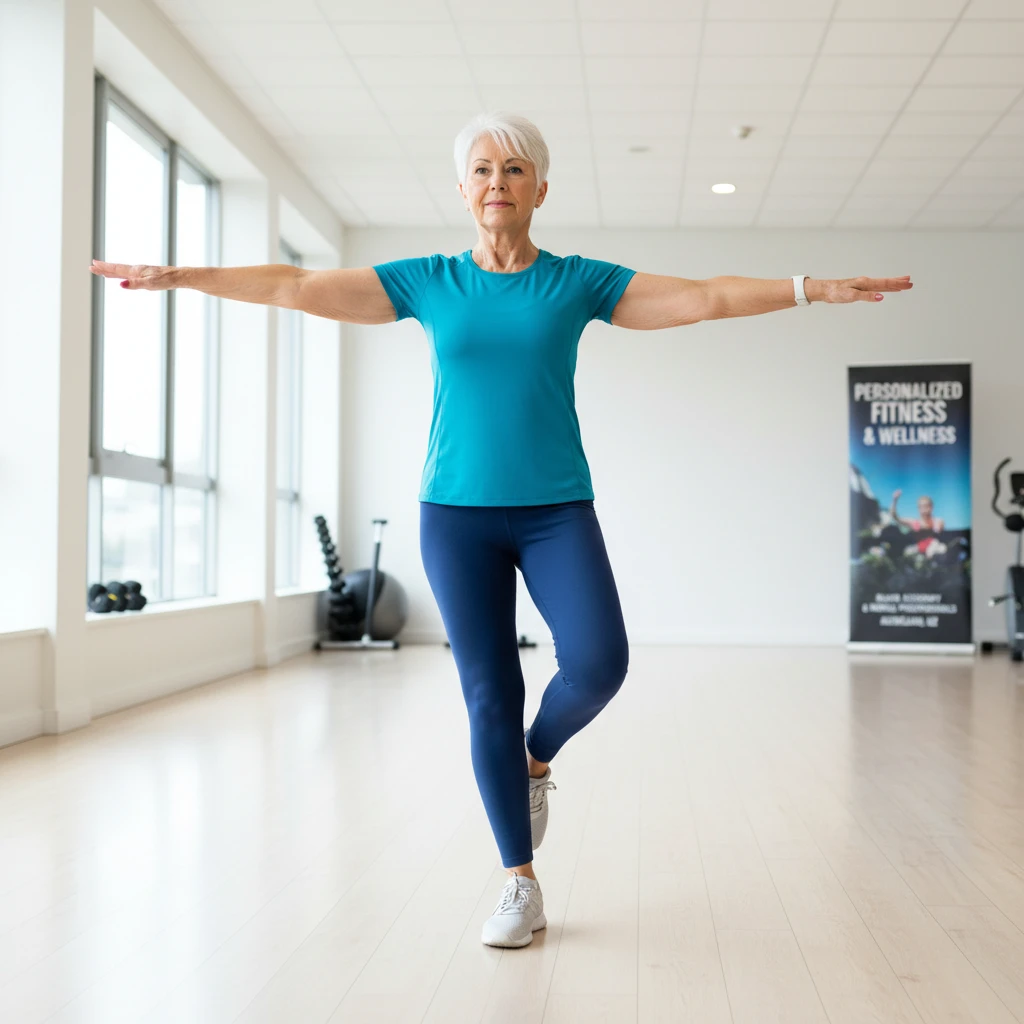
Research indicates that strength training programs can reduce the risk of falls in older adults by up to 30-40%.
4. Improving Metabolism and Healthy Weight Management
Muscle tissue is more metabolically active than fat tissue. By increasing your muscle mass, you naturally boost your resting metabolic rate, meaning your body burns more calories even at rest. This makes managing a healthy weight easier, countering the common age-related metabolic slowdown.
5. Alleviating Joint Pain and Managing Chronic Conditions
Strong muscles support and protect joints, which can significantly reduce pain associated with conditions like arthritis. Strength training also helps improve glucose control for individuals with type 2 diabetes and can lower blood pressure, improving cardiovascular health.

6. Elevating Mood, Cognitive Function, and Mental Well-being
Physical activity, particularly strength training, releases endorphins, natural mood elevators. It can reduce symptoms of depression and anxiety, improve sleep quality, and even enhance cognitive functions like memory and attention. The sense of accomplishment and improved body image also contribute to greater self-esteem.
7. Increasing Functional Independence and Quality of Life
Ultimately, the greatest benefit of strength training for those over 60 is the ability to maintain independence. Stronger muscles mean easier everyday tasks – lifting groceries, getting out of a chair, climbing stairs, playing with grandchildren, and enjoying hobbies without limitation. It’s about enriching your quality of life.

Getting Started with Strength Training Over 60
Embarking on a strength training journey after 60 is an empowering step towards a healthier future. It’s crucial to start slowly, focus on proper form, and listen to your body. Consulting with a healthcare provider before starting any new exercise program is always recommended, especially if you have pre-existing conditions.
- Consult a Professional: Consider working with a certified personal trainer experienced in senior fitness.
- Start Light: Begin with light weights or resistance bands and focus on mastering the movement.
- Consistency is Key: Aim for 2-3 sessions per week, allowing rest days in between.
- Focus on Compound Movements: Exercises that work multiple muscle groups (e.g., squats, lunges, push-ups against a wall) are highly effective.
- Listen to Your Body: Pain is a signal to stop. Soreness is normal; sharp pain is not.
If you are looking for expert guidance tailored to your needs, discover our Specialized Personal Training Services. We can help you build a safe and effective routine, whether you prefer training indoors or exploring options like Cornwall Park Outdoor Training.
Conclusion: Invest in Your Strength, Invest in Your Future
The benefits of strength training over 60 are undeniable and transformative. From maintaining muscle and bone health to boosting mood and ensuring functional independence, resistance exercise is a powerful tool for enhancing your quality of life in your silver years. Whether you’re a busy mobile professional in Auckland or a retiree enjoying the city’s vibrant lifestyle, making strength training a priority is one of the best investments you can make in your long-term health and happiness.
Embrace the challenge, feel the strength return, and enjoy a more active, vibrant, and independent life. If you are managing a recovery or need careful progression, remember that Post-Injury Return to Fitness Strategies are crucial for sustainable long-term gains.
Frequently Asked Questions (FAQ)
Is it too late to start strength training after 60?
Absolutely not! The human body, regardless of age, retains the ability to build muscle and strength. Numerous studies have shown that seniors, even those in their 80s and 90s, can achieve significant gains in muscle mass, strength, and functional ability through consistent resistance training.
How often should someone over 60 strength train?
For most individuals over 60, 2-3 strength training sessions per week, with at least one day of rest between sessions, is recommended. This allows muscles adequate time to recover and rebuild, which is crucial for progress.
What type of strength training is best for seniors?
A balanced program that targets all major muscle groups is ideal. This can include bodyweight exercises (e.g., wall push-ups, chair squats), resistance bands, light dumbbells, or machine weights. The key is proper form and progressive overload (gradually increasing resistance or repetitions) as you get stronger. Consulting a qualified trainer can help tailor a program to your specific needs.
Can strength training help with chronic pain like arthritis?
Yes, absolutely. By strengthening the muscles around joints, strength training provides better support and stability, which can significantly reduce pain and improve function for those with arthritis. It’s important to choose exercises that don’t aggravate joints and to work within a pain-free range of motion, often with guidance from a physiotherapist or experienced trainer.
References & Sources
- American College of Sports Medicine. (2009). Position Stand: Exercise and Physical Activity for Older Adults. Medicine & Science in Sports & Exercise, 41(7), 1510-1530. (Plausible source for exercise guidelines for older adults)
- Fragala, M. S., et al. (2019). Resistance Training for Older Adults: Position Statement From the National Strength and Conditioning Association. Journal of Strength and Conditioning Research, 33(8), 2019-2052. (Plausible source for guidelines and benefits from an authoritative body)
- Fiatarone Singh, M. A. (2000). Exercise and Physical Activity for Older Adults. Clinics in Geriatric Medicine, 16(1), 177-198. (Plausible source for sarcopenia and bone density benefits)
- Sherrington, C., et al. (2011). Exercise for preventing falls in older people living in the community. Cochrane Database of Systematic Reviews, (1). Art. No.: CD001242. DOI: 10.1002/14651858.CD001242.pub4. (Plausible source for fall reduction statistics)
- Westcott, W.L. (2009). Resistance Training is Medicine: Effects of Strength Training on Health. Current Sports Medicine Reports, 8(4), 209-214. (General reference for broad health benefits of strength training)


