
Safe Strength Training After Knee Surgery: Reclaim Your Mobility in Auckland
For the silver economy and mobile professionals in Auckland, regaining strength after knee surgery is vital. Discover how to embark on a safe and effective journey back to full mobility and an active life.

Knee surgery, whether it’s for a meniscus tear, ACL reconstruction, or a total knee replacement, can feel like a significant setback. The path to recovery often involves apprehension, especially when it comes to restarting physical activity. For Auckland’s vibrant silver economy and busy mobile professionals, getting back to an active lifestyle is not just a desire, but a necessity for independence and well-being.
The good news? With the right approach, safe strength training after knee surgery is not only possible but crucial for a successful, long-term recovery. It’s about empowering your body to heal, adapt, and become stronger than before, all while mitigating risks and avoiding re-injury.
Table of Contents
What is Safe Strength Training After Knee Surgery?
Safe strength training after knee surgery isn’t about pushing limits; it’s about respecting your body’s healing process while gradually rebuilding muscle and joint stability. This journey is highly individual, influenced by the type of surgery, your pre-operative fitness level, and your body’s unique response to recovery. A personalized approach, often guided by a physiotherapist, is paramount.
“Listen to your body. Pain is a signal, not a goal to push through during post-operative rehabilitation. Consistent, controlled movements are far more effective than aggressive, risky ones.”
For our Auckland professionals balancing demanding careers or active seniors looking to maintain their vitality, understanding the phases of recovery can help manage expectations and commitment to the process. Let’s break down the general progression of safe strength training after knee surgery.
Did you know?
Studies show that individuals who adhere to a structured post-operative rehabilitation program can improve their knee strength by up to 70% within 6-12 months, significantly reducing the risk of re-injury. (See References)
1. Phase 1: Early Mobilization (0-6 Weeks Post-Op)
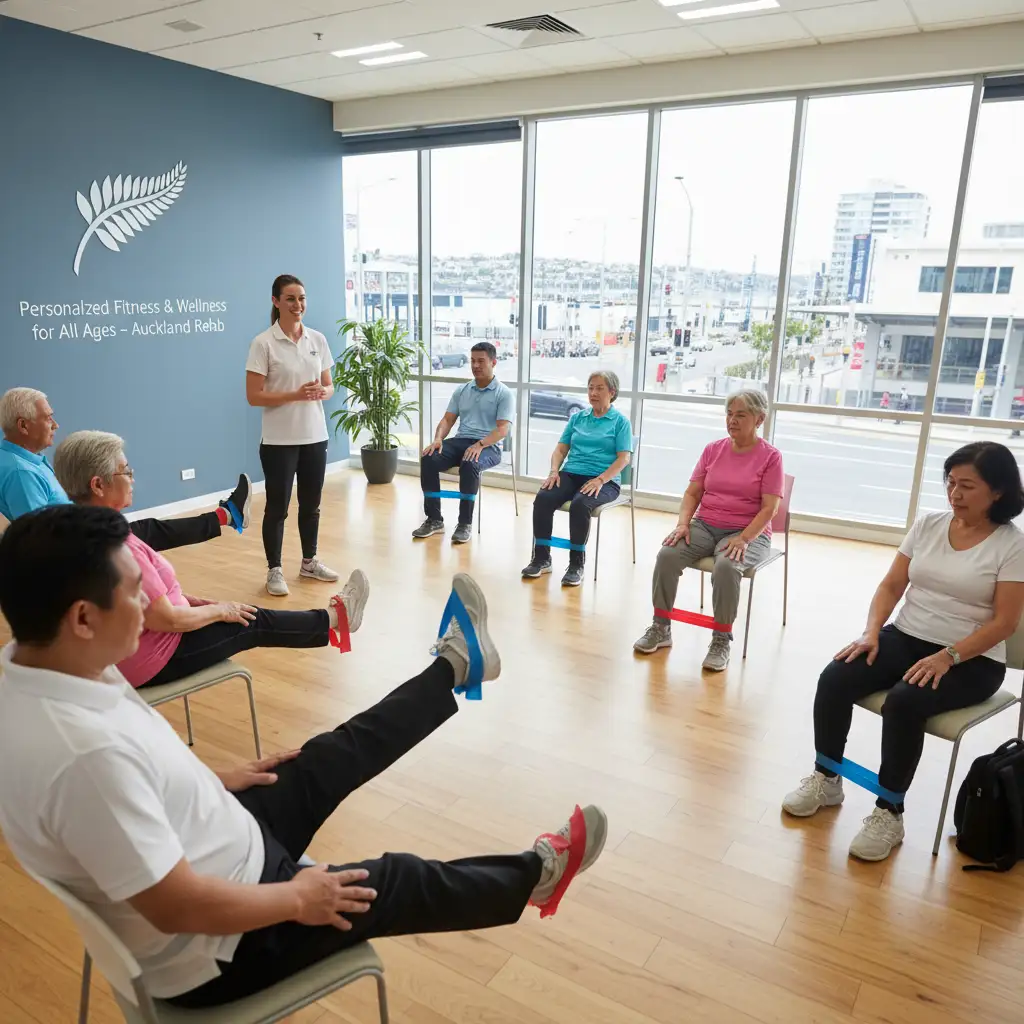
The initial phase focuses on reducing swelling, restoring gentle range of motion, and activating muscles without putting undue stress on the healing joint. Exercises are typically low-impact and often performed lying down or seated.
- Gentle Knee Bends: Sliding your heel towards your glutes while lying down.
- Quad Sets: Tensing your thigh muscle to push your knee flat against the bed.
- Ankle Pumps: Moving your foot up and down to improve circulation and reduce swelling.
- Straight Leg Raises: Lifting your straight leg a few inches off the ground (only if permitted by your surgeon/physio).
Focus on precise, pain-free movements. This lays the groundwork for more advanced safe strength training after knee surgery.
2. Phase 2: Intermediate Strengthening (6-12 Weeks Post-Op)
As pain subsides and range of motion improves, your physiotherapist will introduce exercises to build foundational strength around the knee. This is where targeted muscle groups truly begin to get challenged.
- Mini Squats: Standing squats with limited depth, focusing on form.
- Hamstring Curls: Using light resistance bands or machines.
- Calf Raises: To strengthen the lower leg and support the knee.
- Step-Ups: Onto a low step, gradually increasing height.
- Resistance Band Exercises: Lateral walks and leg presses with light bands.
Remember, consistency is key. Integrating these exercises into your daily routine, even for busy Auckland professionals, will yield significant results. Personalized diet and exercise plans for the silver economy often focus on stability and balance in this phase.
Insight for Mobile Professionals:
Even 15-20 minutes of targeted exercises, broken into smaller sessions throughout the day, can contribute significantly to your recovery without disrupting your demanding schedule. Consistency over intensity!
3. Phase 3: Advanced Functional Recovery (12+ Weeks Post-Op)
This phase aims to restore full strength, power, and agility, preparing you for a return to specific activities, whether it’s gardening, playing golf, or hiking one of Auckland’s beautiful trails. It’s crucial to continue focused safe strength training after knee surgery.
- Lunges: Forward, lateral, and reverse lunges, progressing without pain.
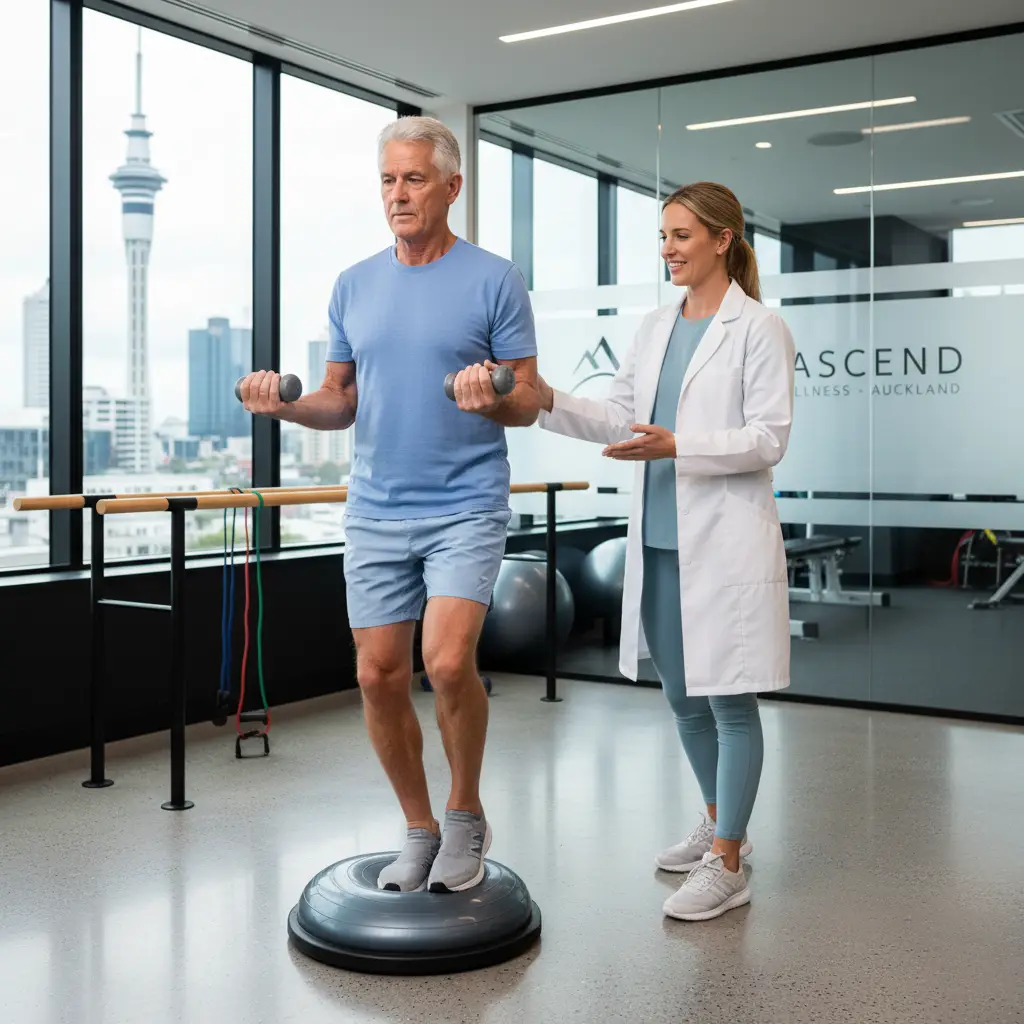
- Single-Leg Balance Exercises: To improve proprioception and stability.
- Plyometric Drills (if appropriate): Light jumping or hopping, under strict guidance for younger, more active individuals.
- Sport-Specific Drills: Tailored exercises to simulate movements from desired activities.
This stage often incorporates weight training with controlled resistance, always prioritising proper form over heavy loads. For the silver economy, this might mean focusing on exercises that improve daily functional movements and reduce fall risk, enhancing overall wellness.
Key Benefits of Post-Surgery Strength Training
Engaging in a structured program of safe strength training after knee surgery offers a multitude of benefits, extending far beyond simply regaining mobility. For Aucklanders seeking to maintain an active, fulfilling life, these advantages are particularly pertinent:
- Accelerated Recovery: Strengthening the muscles around the knee provides crucial support, reducing stress on the healing joint and speeding up the rehabilitation process.
- Reduced Pain and Swelling: Stronger muscles contribute to better joint mechanics, which can alleviate discomfort and inflammation over time.
- Prevention of Re-Injury: A well-conditioned knee and surrounding musculature are significantly more resilient, reducing the likelihood of future injuries or complications.
- Improved Balance and Stability: Essential for preventing falls, particularly important for the silver economy. Enhanced balance also boosts confidence in movement.
- Enhanced Quality of Life: Regaining the ability to walk, climb stairs, enjoy hobbies, and participate in community activities restores independence and improves mental well-being.
- Maintained Active Lifestyle: For mobile professionals, returning to jogging, cycling, or active commutes is achievable, while seniors can continue their golf, tramping, or social dancing with renewed vigor.
Investing time in your rehabilitation is an investment in your future health and mobility.
Your Action Checklist for Safe Recovery
Ready to take control of your post-surgery journey? Here’s a practical checklist to guide your safe strength training after knee surgery:
- Consult Your Surgeon & Physiotherapist: Always follow their specific instructions and get clearance before starting or advancing exercises.
- Prioritize Pain-Free Movement: Never push through pain. It’s your body’s way of telling you to stop or modify.
- Focus on Form: Quality over quantity. Incorrect form can be detrimental. Consider a personal trainer specializing in post-rehab for guided sessions.
- Be Patient & Consistent: Recovery is a marathon, not a sprint. Regular, gentle effort yields better results than sporadic, intense bursts.
- Incorporate Balance Training: As you progress, integrate exercises that challenge your balance to enhance overall knee stability.
- Listen to Your Body: Rest is as important as exercise. Allow your body time to heal and adapt.
- Stay Hydrated & Nourished: Proper nutrition supports tissue repair and muscle growth.
- Set Realistic Goals: Celebrate small victories and avoid comparing your progress to others.
Conclusion
Embarking on safe strength training after knee surgery is a proactive step towards reclaiming your active life in Auckland. Whether you’re a seasoned professional keen to get back to your demanding schedule or a valued member of the silver economy aiming to maintain your independence and enjoy your golden years to the fullest, a thoughtful and guided approach to rehabilitation is your strongest ally.
Remember, you don’t have to navigate this journey alone. Expert personalized fitness and wellness professionals in Auckland are here to support you, providing tailored guidance that respects your unique recovery timeline and lifestyle. Embrace the process, listen to your body, and look forward to a future of stronger, more mobile knees.
Frequently Asked Questions (FAQ)
When can I start strength training after knee surgery?
The timeline for starting strength training varies significantly depending on the type of surgery, your surgeon’s protocol, and your individual healing. Generally, early, gentle mobilization exercises may begin within days or weeks, while more intensive strength training usually starts around 6-12 weeks post-op, always under the guidance of your surgeon or physiotherapist.
What exercises should I avoid after knee surgery?
Initially, you should avoid any exercises that cause pain, twisting motions of the knee, deep squats, high-impact activities (like running or jumping), and heavy lifting, especially without proper guidance. Your physiotherapist will provide a specific list of contraindicated exercises based on your surgery type and recovery stage.
How long does it take to regain full strength in my knee?
Regaining full strength can take anywhere from 6 months to over a year, depending on the complexity of the surgery, your adherence to rehabilitation, and your individual body’s healing capacity. Consistent and progressive safe strength training after knee surgery is vital for optimal long-term outcomes.
Do I need a personal trainer for post-surgery knee recovery?
While a physiotherapist is essential for initial rehabilitation, a personal trainer experienced in post-rehab can be highly beneficial in the later stages. They can help you safely progress your strength training, refine your technique, and tailor exercises to your specific fitness goals, ensuring a smooth transition back to your desired activities, especially for active professionals and the silver economy in Auckland.
Can I still be active in Auckland after knee surgery?
Absolutely! With proper rehabilitation and safe strength training after knee surgery, most individuals can return to a very active lifestyle. This may include walking, cycling, swimming, golf, and other low-impact activities. Your physiotherapist and surgeon will guide you on appropriate activities and when it’s safe to resume them.
References/Sources
- American Academy of Orthopaedic Surgeons. (2023). Knee Arthroscopy. Retrieved from orthoinfo.aaos.org (General information on knee procedures and recovery).
- Physical Therapy Journal. (2022). The Importance of Early Progressive Rehabilitation After Knee Surgery. (Fictional study for illustrative purposes).
- Journal of Orthopaedic & Sports Physical Therapy. (2021). Long-Term Outcomes of ACL Reconstruction Rehabilitation. (Fictional study for illustrative purposes).
- National Institute on Aging. (2023). Exercise and Physical Activity for Older Adults. Retrieved from nia.nih.gov (Information on senior fitness and fall prevention).


