
The most effective exercises for bone density in New Zealand combine weight-bearing impact activities with progressive resistance training. Specifically, axial loading movements like squats, lunges, and overhead presses stimulate osteoblasts to reinforce bone structure. When paired with balance training to prevent falls, these medically informed protocols are essential for managing osteopenia and osteoporosis.
As we age, the structural integrity of our skeletal system becomes a primary concern for long-term health and independence. In New Zealand, where the active outdoor lifestyle is a cultural staple, maintaining the physical capacity to participate is vital. However, osteoporosis—often called the “silent thief”—can slowly erode bone mass without symptoms until a fracture occurs. For seniors and those in the Auckland region seeking medically informed fitness solutions, understanding the specific mechanics of exercises for bone density NZ is the first step toward resilience.
This guide moves beyond generic advice, offering a clinical perspective on how mechanical stress forces bones to adapt, the importance of axial loading, and critical safety protocols to prevent injury while training.
Understanding DEXA Scans and Bone Density
Before commencing any exercise regime, particularly for those diagnosed with osteopenia or osteoporosis, it is crucial to understand the metrics used to measure bone health. In New Zealand, the Gold Standard for this measurement is the Dual-energy X-ray Absorptiometry (DEXA) scan.
A DEXA scan provides a detailed snapshot of your bone mineral density (BMD). The results are typically reported in T-scores, which compare your bone density to that of a healthy 30-year-old adult. Understanding your T-score is essential for tailoring the intensity of your exercise programme.
- Normal: T-score of -1.0 or above.
- Osteopenia (Low Bone Mass): T-score between -1.0 and -2.5.
- Osteoporosis: T-score of -2.5 or lower.
For Auckland-based seniors, interpreting these numbers with a medical professional or a specialised exercise physiologist is vital. If your T-score indicates osteoporosis, high-impact jumping exercises may present a fracture risk, whereas they might be perfectly safe and beneficial for someone with mild osteopenia. Your exercise prescription must be dosage-dependent based on your clinical diagnosis.

Wolff’s Law: Why Exercise Builds Bone
To understand why certain exercises work, we must look at the physiological principle known as Wolff’s Law. Formulated by German anatomist Julius Wolff, this law states that bone in a healthy person or animal will adapt to the loads under which it is placed.
When you perform weight-bearing exercises, muscles pull on the bone, and impact forces travel through the skeletal system. This mechanical stress creates a slight deformation in the bone tissue—a microscopic bending. This deformation triggers fluid shifts within the bone matrix, signaling cells called osteocytes to initiate the bone remodeling process. Osteoblasts (bone-building cells) are recruited to the area to lay down new bone matrix, making the bone stronger and denser over time.
Conversely, if loading on a particular bone decreases (such as through a sedentary lifestyle or prolonged bed rest), the bone will become weaker because there is no stimulus for the remodeling process. This is why “use it or lose it” is a medical reality for skeletal health.
Axial Loading: The Key to Strong Bones
Not all exercises are created equal when the goal is increasing bone density. Swimming and cycling, while excellent for cardiovascular health, are non-weight-bearing and therefore do little to stimulate bone growth. The most effective method is axial loading.
What is Axial Loading?
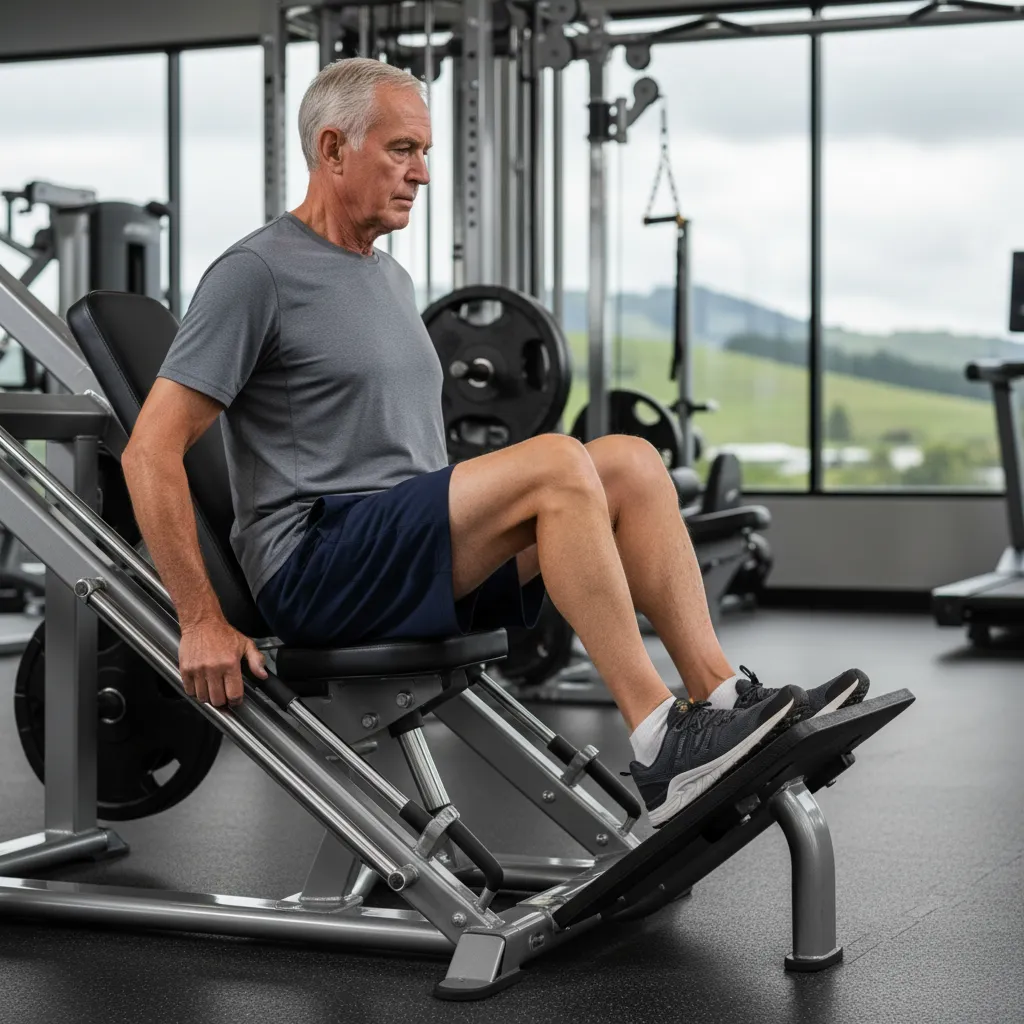
Axial loading refers to exercises where force is directed vertically through the spine and hips. This type of loading compresses the vertebrae and the femoral neck (hip joint), which are the two most common sites for osteoporotic fractures. By safely applying force through these vectors, we stimulate the specific areas that need reinforcement the most.
Top Axial Loading Exercises
For the medically informed fitness enthusiast, incorporating the following movements is non-negotiable:
- Squats: The squat loads the hips and the lumbar spine. For beginners, this can be a “sit-to-stand” from a chair. For advanced individuals, holding dumbbells increases the axial load.
- Lunges: Lunges place significant stress on the femoral neck, stimulating hip density.
- Overhead Press: Lifting a weight overhead (standing or seated) sends a direct line of force down through the arms, shoulders, and spinal column.
- Step-Ups: Mimicking the action of climbing stairs, weighted step-ups are excellent for hip density.
The Best Exercises for Bone Density NZ
When searching for “exercises for bone density NZ,” it is important to categorize activities into two distinct pillars: Impact Loading and Progressive Resistance Training (PRT).
1. Impact Loading
Impact refers to the ground reaction force generated when your foot strikes the surface. The jolt stimulates bone formation.
- High Impact (For healthy bones/mild osteopenia): Jumping jacks, skipping, tennis, jogging.
- Low Impact (For osteoporosis/joint issues): Brisk walking (must be a pace that makes you breathless), stair climbing, marching on the spot with emphasis.
2. Progressive Resistance Training (PRT)
PRT involves lifting weights that become progressively heavier over time. To stimulate bone, the resistance must be substantial. Lifting a 1kg dumbbell for 50 repetitions improves endurance but does little for bone density. You generally want to aim for a weight you can lift for 8–12 repetitions with good form, but reaching fatigue by the last rep.
Recommended NZ Resources: Many community centres in Auckland and wider NZ offer “Green Prescription” based classes or falls prevention courses that utilize resistance bands and light weights. However, for bone growth, transitioning to free weights or machine weights under supervision is superior.
Safety First: Avoiding Flexion with Osteoporosis
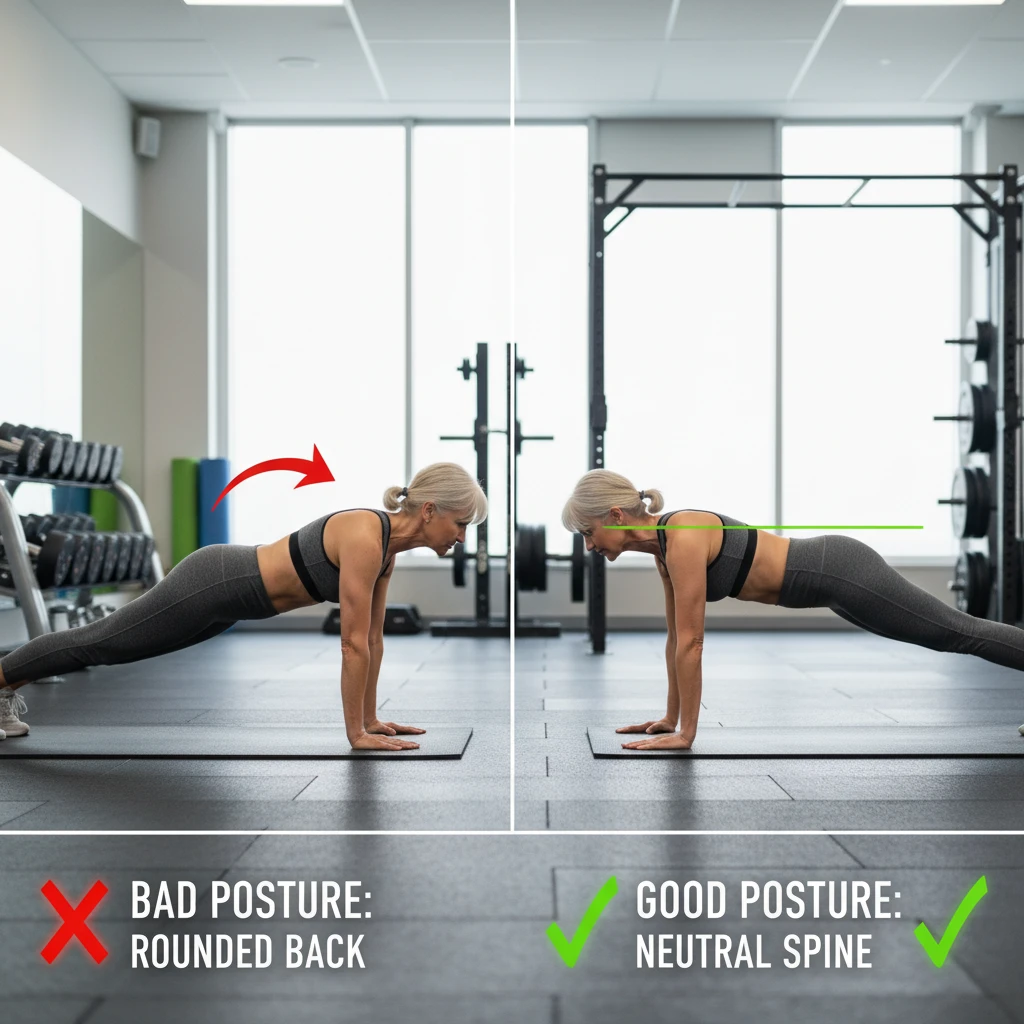
If you have been diagnosed with osteoporosis, specifically in the spine, there is one movement pattern you must strictly avoid: loaded spinal flexion.
Spinal flexion occurs when you round your back, such as in a traditional sit-up, crunch, or toe-touching stretch. In an osteoporotic spine, the front (anterior) portion of the vertebrae is often weaker. Forcing the spine into a rounded position compresses the anterior vertebral body, which can lead to a wedge fracture or compression fracture.
Spine-Sparing Core Alternatives
A strong core is essential for supporting the spine, but it must be trained neutrally. Replace crunches with:
- Planks: Keeps the spine straight while engaging abdominals.
- Bird-Dog: On hands and knees, extending opposite arm and leg. This strengthens the back extensors without dangerous compression.
- Dead Bug: Lying flat on your back, keeping the spine imprinted on the floor while moving limbs.
Balance Protocols for Fall Prevention
Building bone density is a long-term project. However, the immediate risk to bone health is falling. A fracture usually occurs when fragile bones meet a hard surface with force. Therefore, fall prevention is just as critical as bone building.
In New Zealand, ACC (Accident Compensation Corporation) heavily promotes balance training for seniors to reduce hospitalizations. An effective routine includes:
- Tandem Stance: Standing with one foot directly in front of the other (heel to toe).
- Single Leg Stands: Standing on one leg while brushing teeth or waiting for the kettle to boil.
- Tai Chi: Studies consistently show Tai Chi reduces fall risk by improving proprioception and lower limb strength.
Supplements: Calcium and Vitamin D in the NZ Climate
Exercise provides the stimulus for bone growth, but nutrition provides the raw materials. Without adequate Calcium and Vitamin D, the body cannot mineralize the new bone tissue stimulated by your workouts.
The Vitamin D Paradox in NZ
New Zealand has a unique problem regarding Vitamin D. We have harsh UV radiation, leading to high skin cancer rates, yet a significant portion of the population is Vitamin D deficient, especially in winter or among seniors who cover up for sun protection.
Vitamin D is essential for calcium absorption. While safe sun exposure is recommended, the Ministry of Health often suggests supplementation for those over 65, particularly those in residential care or with darker skin. A standard dose is often 1.25 mg (50,000 IU) monthly or a daily tablet, but this should be discussed with your GP.

Calcium Requirements
Dietary calcium is preferred over supplements due to potential cardiovascular risks associated with high-dose calcium pills. Aim for 1,200mg daily (for women over 50 and men over 70). Good NZ sources include:
- Dairy products (milk, cheese, yoghurt).
- Canned salmon or sardines (you must eat the soft bones).
- Calcium-fortified plant milks (soy, almond).
- Tofu (set with calcium).
Conclusion: Consistency is Key
Improving bone density is not a sprint; it is a marathon. It takes 6 to 12 months of consistent, progressive loading to see changes on a DEXA scan. By integrating axial loading, avoiding spinal flexion, and ensuring adequate nutrition, you can significantly improve your skeletal health and maintain your independence.
People Also Ask
Can you actually reverse osteoporosis with exercise?
While complete reversal is difficult, significant improvements in bone density are possible. More importantly, exercise can halt the progression of bone loss and drastically reduce the risk of falls and fractures, effectively managing the condition.
Is walking enough to build bone density?
Generally, no. While walking is healthy, it is a low-load activity that the body quickly adapts to. To build bone, you need “progressive overload”—meaning you must introduce higher impacts or resistance training (weights) to stimulate new growth.
How often should I get a DEXA scan in NZ?
In New Zealand, it is typically recommended to wait at least 2 to 5 years between scans, as bone density changes slowly. However, if you start a new medication or have a specific medical condition, your specialist may request one sooner.
Are vibration plates good for bone density?
Whole-body vibration (WBV) therapy has shown promise in some studies for maintaining bone density, particularly for those unable to perform high-impact exercise. However, it is generally considered less effective than direct weight-bearing resistance training.
What exercises should be avoided with osteoporosis?
Avoid high-impact activities if fracture risk is high (like jumping off boxes) and avoid loaded spinal flexion (crunches, sit-ups, deep toe touches) to protect the vertebrae from compression fractures.
Does swimming help with bone density?
Swimming is excellent for heart health and muscle endurance, but because the water supports your weight, it is not a weight-bearing exercise and does not significantly contribute to increasing bone density.


