
A menopause personal trainer in Auckland specializes in medically informed fitness strategies designed to manage hormonal fluctuations, improve bone density, and mitigate symptoms like hot flashes and fatigue. Unlike general fitness coaching, these specialists tailor resistance training and lifestyle protocols to support metabolic health and emotional well-being during perimenopause and post-menopause.
Navigating the transition of menopause requires more than just generic weight loss advice or high-intensity cardio. For women in Auckland seeking to regain control over their bodies, engaging a specialist who understands the physiological shifts of the endocrine system is crucial. This guide explores how medically informed coaching services provide the support necessary for senior fitness and lifestyle performance.
Why You Need a Menopause Specialist
The fitness industry is often dominated by “eat less, move more” rhetoric, which can be counterproductive for women experiencing menopause. As estrogen levels decline, the female body becomes less tolerant to stress—including the physical stress of exercise. A standard personal trainer might prescribe aggressive HIIT sessions that spike cortisol, potentially exacerbating belly fat retention and sleep disturbances.
A specialized menopause personal trainer in Auckland understands the delicate balance required between stimulus and recovery. The focus shifts from burning calories to building metabolic currency through muscle mass. This approach is vital for combating sarcopenia (age-related muscle loss) and osteopenia (bone density loss), conditions that become prevalent post-menopause.

What to Look for in a Menopause Specialist
When searching for a “menopause personal trainer Auckland,” you are looking for a professional who bridges the gap between healthcare and fitness. The market is saturated with influencers, but medically informed senior fitness requires specific credentials and experience.
1. Specialized Education and Credentials
Look for trainers registered with REPs New Zealand who hold advanced certifications in women’s health, senior fitness, or specific menopause coaching qualifications (such as Menopause 2.0 or similar evidence-based courses). They should be able to discuss the physiology of perimenopause without relying on pseudoscience.
2. A Collaborative Medical Approach
The best coaches operate within a network of allied health professionals. They should be willing to communicate with your GP, endocrinologist, or pelvic floor physiotherapist. If you are on Hormone Replacement Therapy (HRT), your trainer should understand how this influences your recovery and energy levels.
3. Empathy and Psychological Safety
Menopause is not just physical; it is a psychological transition. A specialist offers a judgment-free zone where symptoms like brain fog, anxiety, or sudden hot flashes are met with understanding, not frustration. They should be adaptable, ready to modify a session instantly if you are having a difficult day.
Private Studio vs Commercial Gym Environment
For many women in Auckland, the environment in which they train is as important as the training itself. The bustling, loud, and often intimidating atmosphere of a large commercial gym can trigger cortisol spikes and anxiety, which are already heightened during menopause.
The Benefit of Climate Control and Privacy
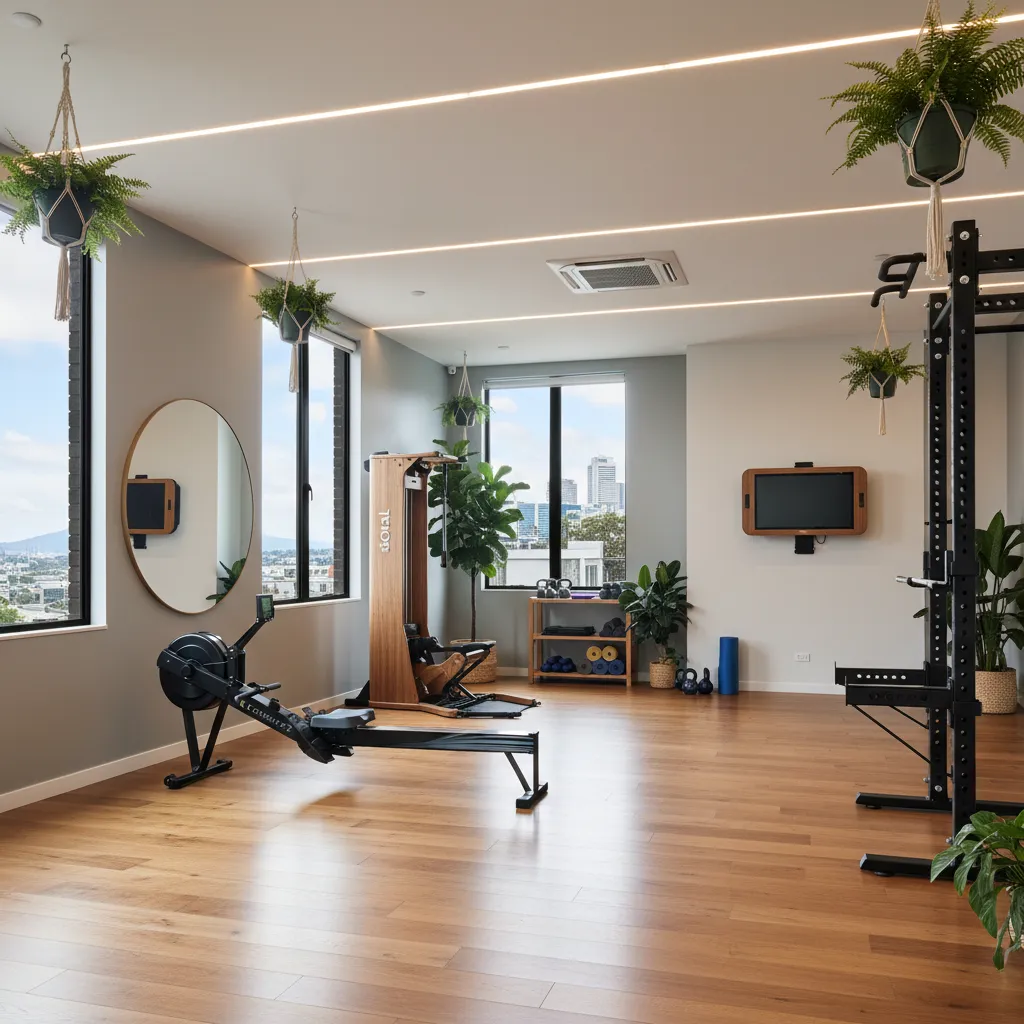
One of the most practical reasons to choose a private studio is environmental control. Hot flashes can strike at any moment. In a private setting, fans can be adjusted, windows opened, or the air conditioning cranked up without affecting 50 other members. This autonomy over your environment allows for a safer, more comfortable workout.
Focus Without Distraction
Commercial gyms often have long wait times for equipment and a “fishbowl” feeling that can be discouraging. A boutique or private studio in Auckland ensures that your session is efficient and focused. This is particularly important for resistance training, where rest periods are crucial. In a private setting, you can rest without feeling pressured to vacate a machine, allowing your ATP (energy) stores to replenish fully for the next set.
Tailored Programs for Energy Fluctuation
One of the defining characteristics of perimenopause is the non-linear nature of energy levels. One day you may feel capable of lifting heavy weights; the next, you may feel exhausted due to night sweats or insomnia. A rigid program that demands 100% intensity every session is a recipe for burnout and injury.
The “Push and Pause” Methodology
Expert menopause coaching involves auto-regulation. Your trainer should be skilled in assessing your readiness to train the moment you walk through the door. This might mean swapping a heavy deadlift session for mobility work and parasympathetic breathing exercises if your nervous system is already overloaded.
Cortisol Management Through Programming
Excessive cardio can lead to chronically elevated cortisol levels, which in turn encourages abdominal fat storage—a common complaint during menopause. Tailored programs prioritize heavy, slow resistance training. Lifting heavy weights for fewer repetitions signals the body to build muscle and bone without placing the same metabolic stress on the system as an hour of breathless cardio. This approach supports hormonal balance rather than disrupting it.
The Science: Resistance Training & Bone Health
The decline in estrogen during menopause significantly accelerates bone resorption, increasing the risk of osteoporosis. In Auckland, where active outdoor lifestyles are common, maintaining structural integrity is vital for longevity.
Wolff’s Law and Mechanical Loading
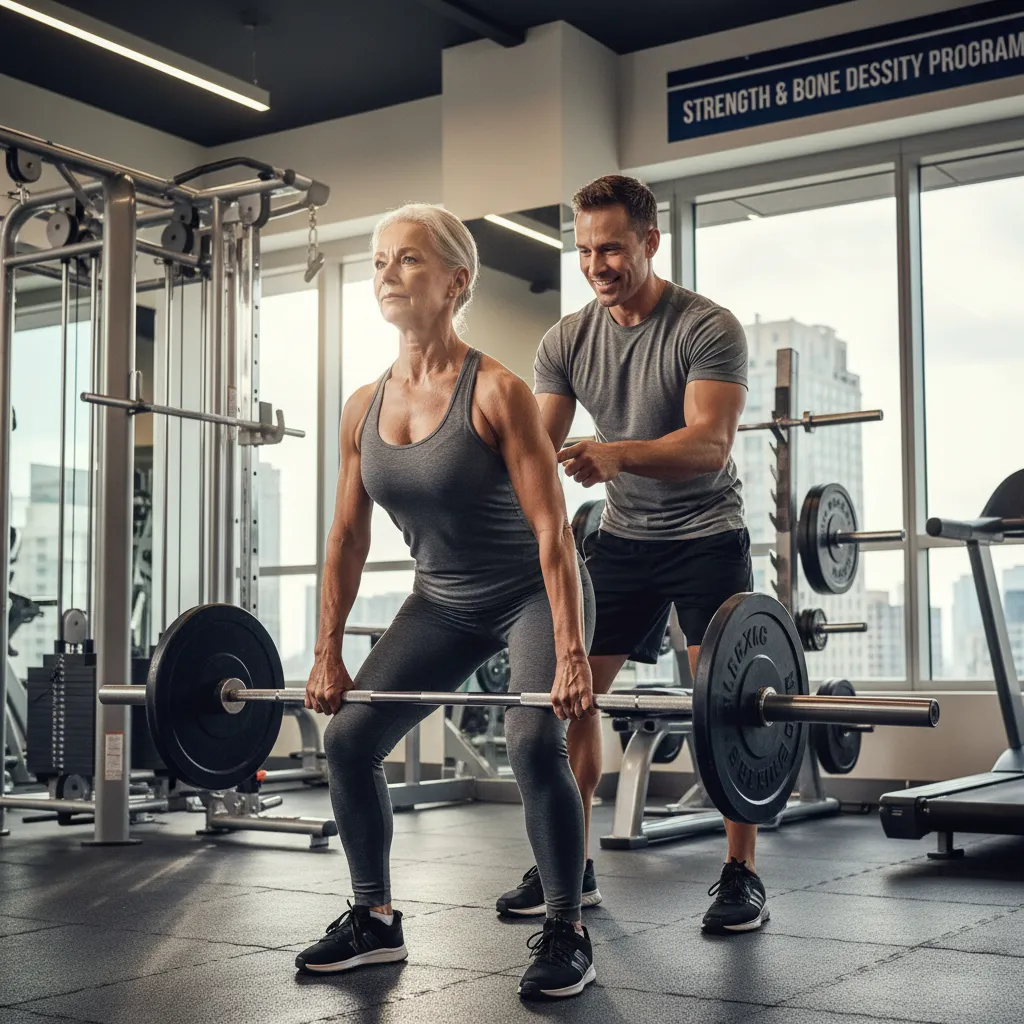
Wolff’s Law states that bones adapt to the loads under which they are placed. To stimulate new bone growth, the skeleton must experience axial loading—forces that compress the spine and hips. This is why walking or swimming, while excellent for cardiovascular health, are insufficient for preventing osteoporosis. A menopause personal trainer will safely guide you through compound movements like squats, lunges, and overhead presses that provide the necessary mechanical load to keep bones robust.
Pelvic Floor Considerations
Hormonal changes can also weaken the pelvic floor tissues. A medically informed trainer incorporates pelvic floor safe exercises and breathing strategies (intra-abdominal pressure management) to prevent issues like prolapse or incontinence during lifting. This specialized knowledge is rarely found in general commercial gym trainers.
Booking a Consultation: What to Expect
Taking the first step to hire a menopause personal trainer in Auckland is a commitment to your future self. The consultation process is typically more in-depth than a standard gym orientation.
Comprehensive Health History
Expect to discuss your medical history in detail. This includes surgical history (hysterectomy, C-sections), current medications (HRT, thyroid medication), and specific menopause symptoms you are experiencing. Honest communication here allows the trainer to build a safe roadmap for you.
Movement and Postural Screening
Before any weights are lifted, a competent coach will assess your joint mobility and stability. Years of sedentary work or previous injuries can lead to compensations. The screening identifies these issues so they can be corrected, ensuring that when you do start lifting, you are loading the muscles, not the joints.
Goal Setting Beyond the Scale
While body composition is often a goal, a menopause-focused consultation will also set performance and lifestyle metrics. Goals might include “sleeping through the night,” “reducing joint pain,” or “improving balance to prevent falls.” These quality-of-life indicators are the true measure of success in senior fitness and lifestyle performance.

Frequently Asked Questions
Can exercise help with menopause symptoms like hot flashes?
Yes, research indicates that regular resistance training and consistent movement can help regulate body temperature control systems and reduce the severity of hot flashes. Furthermore, exercise improves sleep quality and reduces stress, which are common triggers for vasomotor symptoms.
What is the best exercise for menopause belly fat?
Resistance training combined with adequate protein intake is the most effective strategy. Unlike excessive cardio, which can spike cortisol and encourage belly fat storage, building muscle increases your resting metabolic rate and improves insulin sensitivity, helping to manage visceral fat accumulation.
How much does a menopause personal trainer cost in Auckland?
Rates for specialized menopause coaching in Auckland typically range from $90 to $150 NZD per session, depending on the trainer’s experience, the exclusivity of the private studio, and the depth of the programming provided. Many offer package deals or monthly coaching subscriptions.
Is it too late to start lifting weights at 50?
It is never too late. In fact, starting resistance training at 50 or beyond is one of the best investments you can make for your longevity. Muscle tissue is highly plastic and responds to stimulus at any age. Starting now can significantly delay or reverse age-related muscle loss.
Do I need a referral from a doctor to start training?
While a referral is not strictly necessary to hire a personal trainer, if you have pre-existing medical conditions, heart issues, or severe osteoporosis, obtaining medical clearance from your GP in Auckland is highly recommended to ensure your safety.
How often should I train during menopause?
For most women, 2 to 3 days of strength training per week, combined with daily low-intensity movement (like walking) and restorative practices (like yoga or stretching), provides the optimal balance of stimulus and recovery without leading to adrenal burnout.


