The best NZ protein powder for seniors prioritizes high bioavailability, low lactose content, and a complete amino acid profile to combat sarcopenia. For most older adults, New Zealand grass-fed whey protein isolate is the gold standard due to its rapid absorption and high leucine content. However, for those with digestive sensitivities, premium NZ pea protein isolates like Nuzest offer a hypoallergenic, easily digestible alternative without compromising muscle-sparing benefits.
As we age, the rules of nutrition shift. What worked for your body in your 30s or 40s may no longer be sufficient to maintain vitality in your 60s, 70s, and beyond. In the context of medically informed fitness and lifestyle performance, particularly within New Zealand’s unique market of high-quality dairy and plant-based exports, selecting the right supplement is critical.
This guide analyzes the specific protein requirements of the aging body, compares leading New Zealand brands, and provides actionable advice for integrating protein supplements into a senior lifestyle to ensure longevity and functional strength.

Why Protein Needs Increase with Age
It is a common misconception that as physical activity potentially decreases with age, nutritional intake should decrease proportionally. While caloric needs may drop, the requirement for high-quality protein actually increases. This paradox is driven by a physiological phenomenon known as anabolic resistance.
Understanding Anabolic Resistance and Sarcopenia
Anabolic resistance refers to the reduced ability of older skeletal muscle to respond to low doses of amino acids and physical activity. In younger adults, a small amount of protein triggers muscle synthesis. In seniors, the threshold to trigger this same muscle-building response is significantly higher.
Without adequate protein intake, the body enters a catabolic state, breaking down existing muscle tissue to fuel other biological processes. This leads to sarcopenia—the age-related loss of muscle mass and strength. Sarcopenia is directly linked to increased fall risk, loss of independence, and metabolic dysfunction.
The Leucine Threshold
To overcome anabolic resistance, seniors require a higher concentration of the essential amino acid leucine. Leucine acts as the “switch” that turns on muscle protein synthesis. Research suggests that while a younger person might need 2 grams of leucine to trigger synthesis, a senior may need 3 to 4 grams per meal. This is why the quality of the protein powder matters just as much as the quantity.
Updated Daily Requirements
Current medical consensus suggests that the Recommended Dietary Allowance (RDA) of 0.8g/kg of body weight is insufficient for older adults. To maintain muscle mass, seniors should aim for:
- Healthy Seniors: 1.0 to 1.2 grams of protein per kilogram of body weight per day.
- Seniors with Acute or Chronic Illness: 1.2 to 1.5 grams per kilogram per day.
- Seniors Engaging in Resistance Training: Up to 1.6 grams per kilogram per day.
What is the Best NZ Protein Powder for Seniors?
New Zealand is globally renowned for its dairy standards. The “best” powder depends largely on your digestive tolerance and dietary restrictions, but the market is generally split between two high-quality contenders: Grass-Fed Whey Isolate and Premium Pea Protein Isolate.
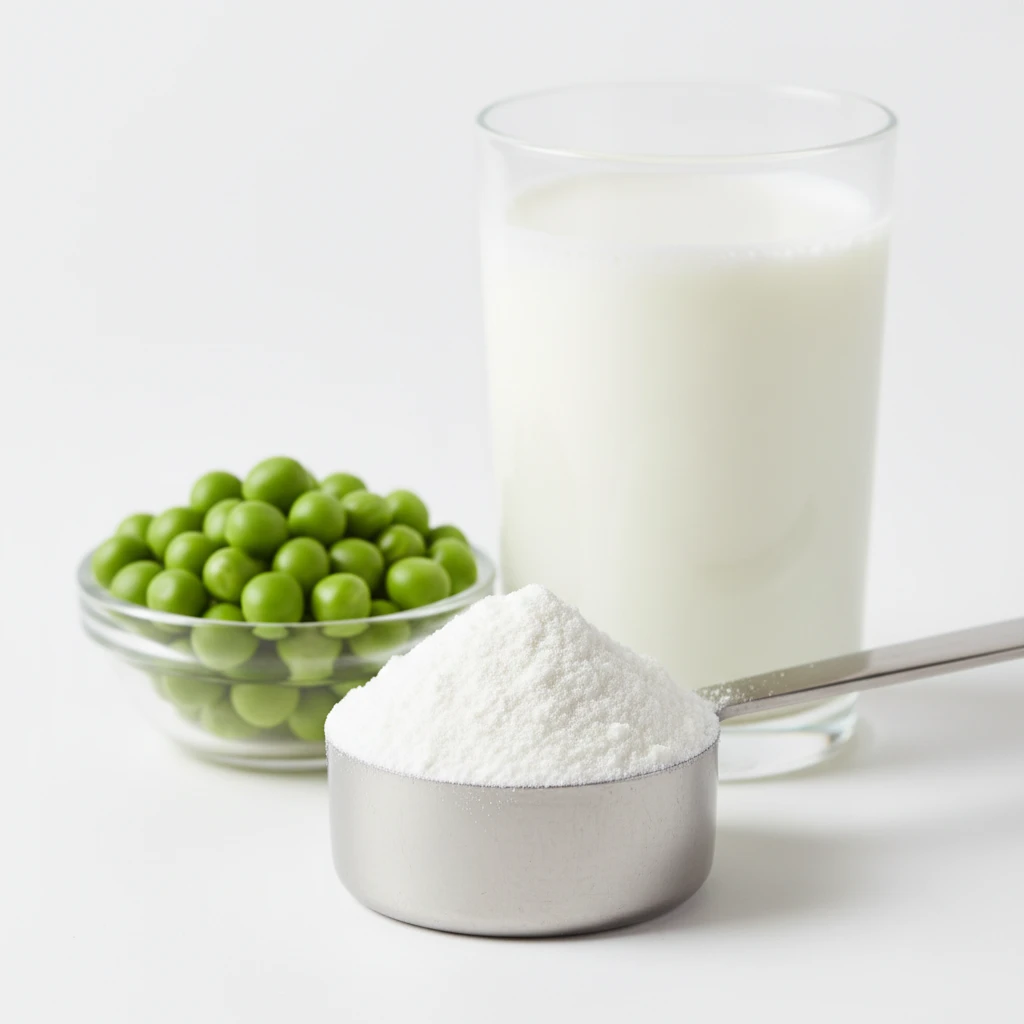
1. NZ Grass-Fed Whey Protein Isolate (WPI)
Whey protein is derived from milk and is considered a “complete” protein, meaning it contains all nine essential amino acids. For seniors, Whey Protein Isolate (WPI) is superior to Whey Protein Concentrate (WPC).
- Why Isolate? WPI undergoes extra filtration to remove most of the fat and lactose, resulting in a protein content of 90% or higher. This is crucial for seniors who may have developed lactose sensitivity over time.
- The Leucine Advantage: Whey naturally has the highest leucine content of any protein source, making it the most efficient option for overcoming anabolic resistance.
- NZ Advantage: New Zealand regulations prohibit the use of rBST (growth hormones) in dairy cows. NZ whey is sourced from grass-fed cows, which typically results in a higher concentration of Omega-3 fatty acids and Conjugated Linoleic Acid (CLA) compared to grain-fed alternatives.
2. Golden Pea Protein Isolate
For seniors who are strictly lactose intolerant, vegan, or find dairy inflammatory, pea protein is the leading plant-based alternative. New Zealand produces some of the world’s finest pea protein isolates.
- Digestibility: High-quality pea protein is hypoallergenic and alkaline, making it gentle on the stomach.
- Amino Acid Profile: While plant proteins are often incomplete, premium pea isolates are rich in lysine and arginine. However, they are slightly lower in methionine, so a varied diet is important.
Review: Clean Lean Protein vs. Whey (NZ Brands)
When navigating the aisles of a health food store in Auckland or browsing online, you will likely encounter brands like Nuzest, Go Good, and Nothing Naughty. Here is how they stack up for the senior demographic.
Nuzest Clean Lean Protein (The Plant Standard)
Nuzest is a New Zealand-founded company that has set the global benchmark for pea protein.
- Pros for Seniors: It is free from lectins and phytates (anti-nutrients that can block mineral absorption), which is vital for seniors who need to maximize nutrient uptake. It mixes easily without the “chalky” texture common in cheaper plant proteins.
- Cons: It has a lower leucine content compared to whey, so you may need a slightly larger serving size to trigger the same muscle synthesis response.
Go Good Whey Isolate (The Dairy Standard)
Go Good utilizes New Zealand grass-fed dairy and focuses on minimal processing.
- Pros for Seniors: Their Isolate is extremely low in lactose and uses organic fruit for flavoring rather than synthetic additives. The bioavailability is best-in-class.
- Cons: As a dairy product, it is not suitable for vegans or those with a severe milk protein allergy (casein allergy).
Digestibility Concerns for Older Adults
Digestive efficiency declines with age. Factors such as hypochlorhydria (low stomach acid) and reduced enzyme production can make digesting dense protein sources like steak or pork chops difficult. This is where protein powder becomes a medical asset.

Liquid Nutrition and Absorption
Liquid nutrition bypasses much of the mechanical digestion required for solid foods. Hydrolyzed whey or high-quality isolates are “pre-digested” to some extent, allowing amino acids to enter the bloodstream rapidly—often within 30 to 60 minutes. This rapid delivery is ideal post-exercise or upon waking to halt muscle breakdown.
The Lactose Issue
Lactase, the enzyme required to digest lactose, decreases as we age. Even seniors who drank milk in their youth may find they experience bloating or gas in their 70s. This is why we strictly recommend Isolate over Concentrate. Concentrates can contain significant lactose, whereas Isolates usually contain less than 1%.
How to Read a Label: Additives to Avoid
Not all protein powders sold in New Zealand are safe or beneficial for seniors. Many cheaper brands, often imported, are filled with bulking agents. When checking the label, look out for:
- Maltodextrin/Dextrose: Cheap fillers that spike blood sugar. Seniors managing pre-diabetes or insulin resistance should avoid these.
- Artificial Sweeteners (Sucralose/Aspartame): These can disrupt gut microbiome health. Look for natural sweeteners like Stevia or Thaumatin (a protein-based sweetener often used in NZ products).
- Thickeners (Carrageenan/Xanthan Gum): While generally safe in small amounts, these can cause gastrointestinal distress in sensitive individuals.
Easy Smoothie Recipes for Post-Workout Recovery
For seniors engaging in lifestyle performance training, the post-workout window is crucial. Here are two recipes designed for maximum nutrient density and ease of preparation.
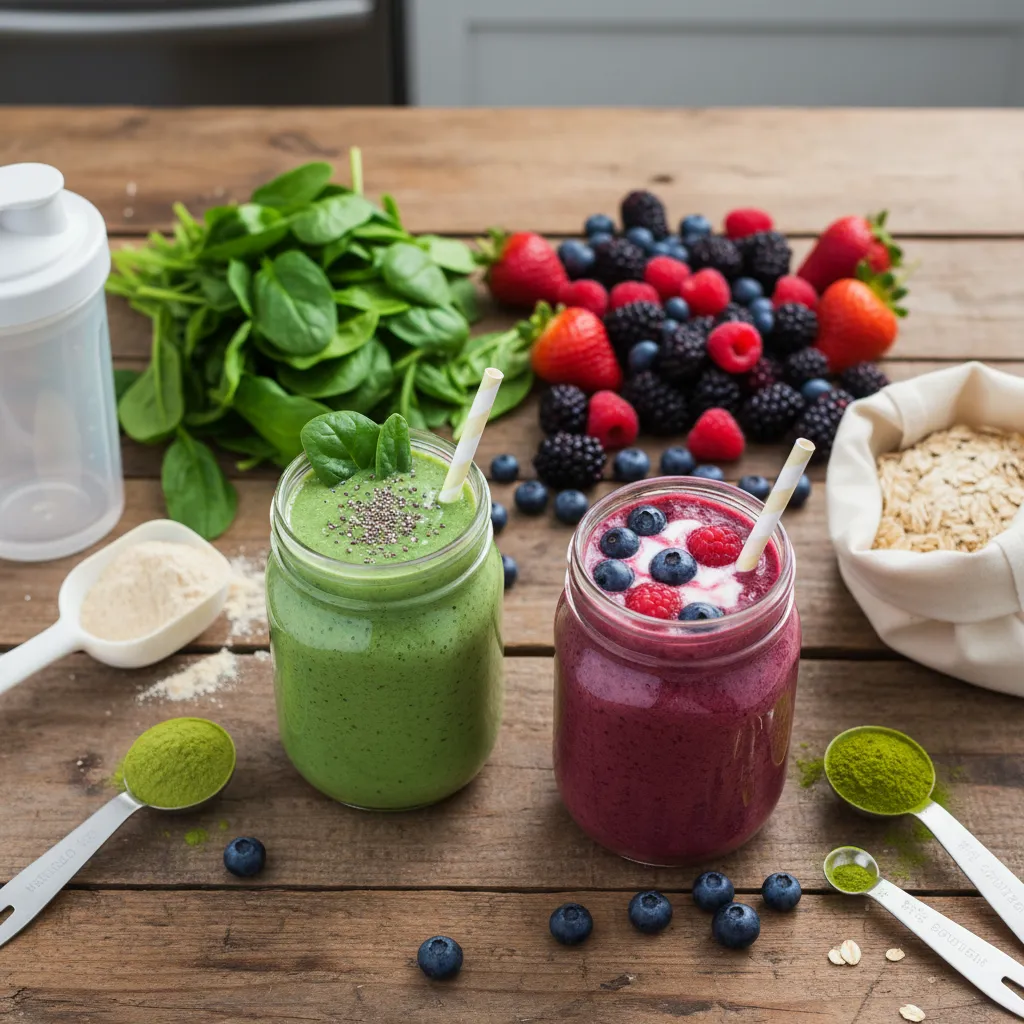
1. The Auckland Berry Blast (Antioxidant Focus)
This recipe focuses on reducing oxidative stress and inflammation while providing high-quality protein.
- Base: 250ml Unsweetened Almond Milk or Water.
- Protein: 30g NZ Whey Isolate (Vanilla).
- Fruit: 1/2 cup Frozen Blueberries (brain health) and 1/2 cup Strawberries.
- Fats: 1 tbsp Ground Flaxseed (fiber and Omega-3s).
- Instructions: Blend until smooth. Drink immediately after a morning walk or resistance session.
2. Green Joint Support (Mobility Focus)
Ideal for those looking to support joint health alongside muscle retention.
- Base: 250ml Coconut Water (electrolytes).
- Protein: 30g Pea Protein Isolate (Vanilla or Unflavored).
- Greens: 1 handful Baby Spinach (Iron and Vitamin K).
- Fats: 1/4 Avocado (creaminess and heart-healthy fats).
- Bonus: 1 tsp Spirulina or a scoop of Collagen peptides (optional for joint support).
- Instructions: Blend on high. The avocado makes this incredibly creamy, masking the texture of the greens.
Frequently Asked Questions
Is whey or plant protein better for seniors?
For pure muscle retention, whey protein isolate is generally considered better due to its higher leucine content and faster absorption. However, for seniors with lactose intolerance or dairy allergies, a high-quality pea protein isolate is an excellent, effective alternative.
How much protein does a 70-year-old need?
A 70-year-old generally needs between 1.0 to 1.2 grams of protein per kilogram of body weight. If they are physically active or recovering from an illness/surgery, this need can increase to 1.5 grams per kilogram. Always consult a GP or dietitian for personalized advice.
Does protein powder affect kidneys in seniors?
For seniors with healthy kidney function, high-protein diets are generally safe and do not cause kidney damage. However, for those with pre-existing chronic kidney disease (CKD), protein intake must be monitored carefully. Medical clearance is essential before increasing protein intake if kidney issues are present.
When is the best time for seniors to drink protein shakes?
Spreading protein intake throughout the day is most effective. However, drinking a shake within 60 minutes after exercise helps with recovery. Additionally, consuming protein with breakfast is beneficial, as many seniors typically eat a low-protein breakfast (like toast or cereal).
Can protein powder replace a meal for the elderly?
Protein powder alone is not a meal replacement as it lacks essential fats, fiber, and micronutrients. However, when blended into a smoothie with fruits, vegetables, and healthy fats (like avocado or nuts), it can serve as a nutrient-dense liquid meal replacement.
What ingredients should seniors avoid in protein powder?
Seniors should avoid powders containing high amounts of added sugar, artificial sweeteners like aspartame, and cheap fillers like maltodextrin. It is also advisable to avoid “concentrates” if lactose intolerant, opting for “isolates” instead.