
A medically informed personal trainer in Auckland is a fitness professional with advanced clinical knowledge, bridging the gap between physiotherapy and standard gym training. They specialize in designing safe, effective exercise protocols for individuals with pre-existing medical conditions, chronic injuries, or specific aging-related concerns, ensuring long-term health without the risk of re-injury.
For many Aucklanders, the journey to fitness is complicated by a medical history that standard gym protocols simply cannot accommodate. Whether you are recovering from surgery, managing a chronic condition like arthritis, or simply wish to age with strength and dignity, the generic “no pain, no gain” mentality is not just ineffective—it is dangerous. This is where the specialized expertise of a medically informed personal trainer becomes essential.
Navigating the transition from clinical rehabilitation to lifestyle performance requires a nuanced understanding of human anatomy, pathology, and biomechanics. In a city as active as Auckland, where lifestyle goals range from walking the hills of the Waitakere Ranges to improving a golf handicap at Remuera Golf Club, your fitness strategy must be as unique as your physiology.
What is the Gap Between Physiotherapy and Standard Gyms?
The healthcare system in New Zealand provides excellent acute care. Physiotherapists are masters of diagnosis and early-stage rehabilitation. They reduce acute pain, restore basic range of motion, and get you back to a baseline of functionality. However, there is often a significant void—a “clinical gap”—between being discharged from physiotherapy and being ready for a high-intensity commercial gym environment.
Once a physiotherapist signs you off, you are often considered “functional,” but that does not necessarily mean you are “fit” or resilient enough for load-bearing exercise. Entering a standard gym environment at this stage carries significant risk. A standard personal trainer, while skilled in motivation and general weight loss, often lacks the pathology-specific education required to modify exercises for complex medical histories. They may not understand the biomechanical shear forces on a reconstructed ACL or the contraindications for a client with spinal stenosis.

A medically informed personal trainer in Auckland fills this void. We understand that a healed injury is not the same as a conditioned body. The scar tissue may have formed, but the neuromuscular pathways may still be inhibited. Our role is to take the baton from your healthcare provider and guide you through the “Return to Performance” phase. This involves moving beyond simple rehabilitation exercises (like clam shells or band pulls) and progressing toward compound movements that build true structural resilience, all while operating within a safety framework that respects your medical history.
How Does Clinical Safety Meet Lifestyle Performance?
Our methodology is rooted in the belief that exercise is medicine, but like any medicine, the dosage must be precise. We do not guess; we assess. The foundation of medically informed training is a rigorous initial consultation that goes far beyond discussing weight loss goals. We delve into surgical history, medication side effects, orthopedic limitations, and cardiovascular health.
The Biomechanical Assessment
Before a single weight is lifted, we conduct a comprehensive movement screen. We look for asymmetries, compensatory patterns, and joint restrictions. For example, if you have a history of lower back pain, we don’t just avoid the back; we analyze your hip mobility and thoracic spine rotation to identify why the back was overloaded in the first place. This root-cause analysis allows us to build a program that corrects dysfunction rather than just working around it.
Periodization for Longevity
Standard fitness programs often follow linear progression—add more weight every week. For the medically complex client, this is a recipe for inflammation and setback. We utilize undulating periodization, managing volume and intensity to allow for adequate tissue adaptation and recovery. This is particularly crucial for clients with autoimmune conditions or those recovering from joint replacement surgeries, where recovery capacity may be fluctuated.
Collaboration with Medical Professionals
We pride ourselves on operating within a multidisciplinary network. With your permission, we communicate directly with your GP, surgeon, or physiotherapist. This ensures a seamless continuum of care where your medical team knows you are in safe hands, and your training program is reinforced by clinical directives. This collaborative approach is what defines a truly medically informed personal trainer in Auckland.
Specialized Services: Post-Rehab, Active Aging, and Golf
Our expertise allows us to offer specialized services that cater to specific demographics and needs found throughout the Auckland region.
Post-Rehabilitation Conditioning
Surgery is a trauma to the body, and the road to full recovery is long. We specialize in post-rehab conditioning for:
- Total Joint Replacements: Strategies to regain proprioception and strength after hip or knee replacements.
- Spinal Rehabilitation: Managing disc herniations, sciatica, and chronic lower back pain through core stabilization and gluteal activation.
- Cardic & Metabolic Health: Safe exercise prescription for clients with hypertension, diabetes, or recovering from cardiac events, monitoring heart rate variability and exertion levels closely.
Active Aging and Sarcopenia Prevention
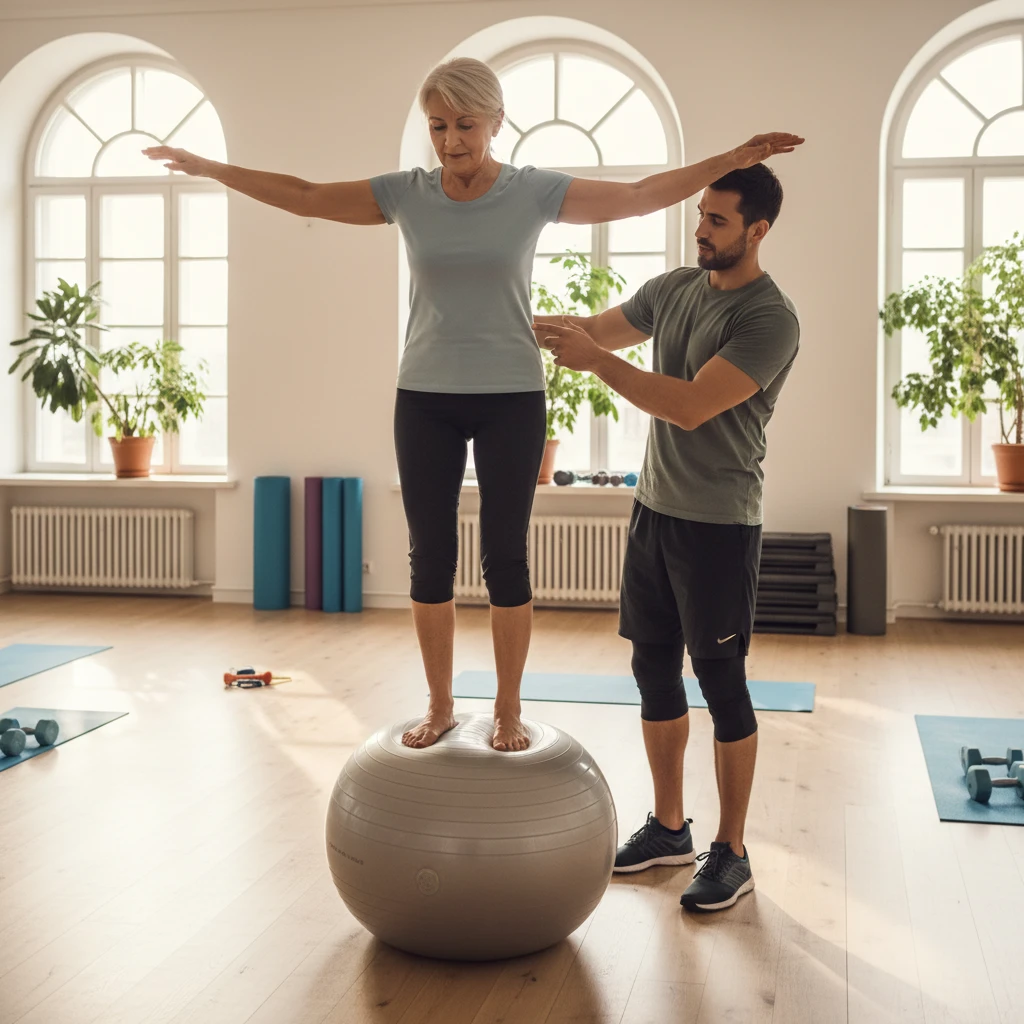
Aging is inevitable; frailty is not. One of the greatest threats to independence in seniors is sarcopenia—the age-related loss of muscle mass. Our Active Aging protocols focus on heavy (relative to the individual), safe resistance training to stimulate bone density (combating osteoporosis) and maintain muscle mass. We also prioritize fall prevention strategies, integrating balance and reaction-time training into every session. This empowers our clients to continue living independently in their Auckland homes, gardening, and playing with grandchildren without fear of injury.
Golf Performance and Injury Prevention
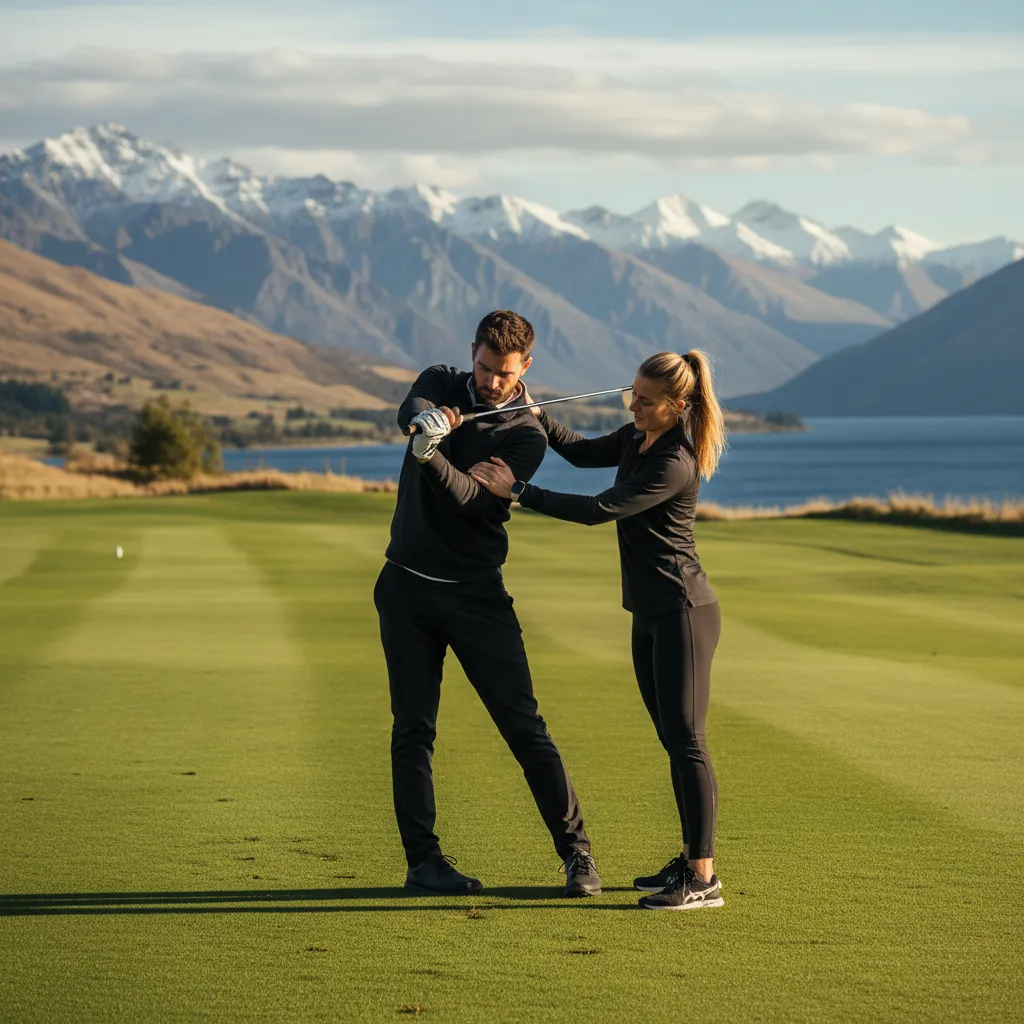
Auckland is home to some of the country’s finest golf courses, from Titirangi to Gulf Harbour. However, the golf swing places immense torque on the lower back. Many golfers sacrifice their bodies for their swing. Our golf performance program is designed to reverse this. We focus on increasing thoracic mobility (to reduce lumbar stress), improving hip rotation, and building explosive power safely. By conditioning the body to handle the mechanics of the swing, we help you add yards to your drive while ensuring you can walk the 18th hole pain-free.
Service Areas: Remuera, Ponsonby, North Shore, and Mobile PT
We understand that convenience is a major factor in adherence to a fitness routine. To accommodate the busy lifestyles of Auckland professionals and retirees, we offer flexible training locations.
Private Studio Locations
For those who prefer a dedicated training environment, we operate out of private, clinical-grade studios in key hubs including Remuera, Ponsonby, and the North Shore. These spaces are devoid of the crowds, loud music, and intimidation factors of commercial gyms. They are equipped with specialized rehabilitation equipment, ensuring a focused and therapeutic atmosphere.
Mobile Personal Training
For clients with mobility limitations or those who value ultimate privacy, we bring the clinic to you. Our mobile medically informed personal trainer service covers the greater Auckland area. We arrive at your home with all necessary equipment—bands, weights, stability tools—to conduct a full session in your living room or garden. This is a popular option for our post-surgical clients who cannot drive, or for high-profile individuals requiring discretion.
Client Success Stories: Real Results
The true measure of our success is not in the weight lifted, but in the life lived. Here is how we have helped Aucklanders reclaim their lifestyles.
From Chronic Back Pain to the Tongariro Crossing
Client: Sarah, 58, Remuera
Challenge: Sarah came to us with a history of recurrent L4-L5 disc issues. She had been told by previous trainers to avoid lifting, which led to a weak posterior chain and increased pain. Her goal was to hike the Tongariro Crossing with her family, a dream she thought was over.
Solution: We implemented a “spine-sparing” core program, teaching her how to brace and hinge at the hips rather than the spine. Over six months, we progressively loaded her deadlift and introduced uneven-surface training to mimic hiking terrain.
Result: Last summer, Sarah completed the Tongariro Crossing pain-free. She reported that her back felt stronger at the end of the hike than at the start.
Regaining the Swing After Hip Replacement
Client: John, 72, North Shore
Challenge: An avid golfer, John had a total hip replacement and was terrified of dislocating the joint. He had lost significant range of motion and confidence.
Solution: Working in conjunction with his surgeon’s protocols, we focused on glute medius strength for hip stability and restored his rotational mobility within safe parameters.
Result: John is back playing 18 holes twice a week. Not only is his hip secure, but his drive has increased by 20 meters due to improved core mechanics.
People Also Ask
Do I need a referral from a doctor to see a medically informed trainer?
No, a referral is not strictly necessary to begin training. However, if you are currently under the care of a specialist or have recently had surgery, we strongly recommend and facilitate communication with your medical provider to ensure all safety protocols are followed.
How is this different from a physiotherapist?
Physiotherapy is primarily diagnostic and rehabilitative for acute injury, often covered by ACC. Medically informed personal training is the next step: a long-term fitness solution that builds strength and conditioning while respecting medical history. We focus on prevention and lifestyle performance rather than acute treatment.
Can you help with weight loss if I have mobility issues?
Absolutely. Weight loss is often a key component of managing conditions like osteoarthritis. We design low-impact, high-metabolic-output sessions that allow you to burn calories and improve body composition without subjecting your joints to high-impact stress.
Is medically informed training suitable for osteoporosis?
Yes, it is one of the best treatments. Controlled resistance training puts necessary stress on the skeletal system, signaling the body to lay down new bone tissue. We use clinically approved loading strategies to safely improve bone density and reduce fracture risk.
Do you offer home visits in Auckland?
Yes, our mobile service covers most central and greater Auckland suburbs, including Remuera, Epsom, Ponsonby, Herne Bay, and the North Shore. We bring all necessary equipment to your home for a comprehensive workout.
What qualifications do your trainers have?
Our trainers hold advanced certifications beyond the standard Certificate in Fitness. This includes degrees in Sport & Exercise Science, and specialized certifications in clinical exercise prescription, cardiac rehabilitation, and older adult fitness.