
Effective Back Pain Exercise Programs Auckland: Your Path to Lasting Relief
Are you a mobile professional constantly on the go or a valued member of Auckland’s silver economy experiencing the nagging discomfort of lower back pain? You’re not alone. Back pain is a prevalent issue, often exacerbated by modern lifestyles, but the good news is that targeted, personalized exercise can provide significant relief and long-term solutions. This comprehensive guide will walk you through effective exercises for lower back pain Auckland residents can confidently incorporate into their daily routines.
Our approach is authoritative, yet approachable, ensuring you understand not just *what* to do, but *why* it works. We’ll focus on practical strategies tailored for those with busy schedules and varying mobility levels, helping you rediscover comfort and enhance your overall well-being right here in Auckland.
Table of Contents
Understanding Back Pain: Causes & Impact
Lower back pain can be debilitating, affecting your work, leisure, and overall quality of life. For mobile professionals in Auckland, long hours sitting at desks, frequent travel, and stress can contribute to muscle imbalances and spinal discomfort. Members of the silver economy may experience age-related wear and tear, reduced muscle mass, or conditions like osteoarthritis. Understanding the root causes is the first step towards effective management.
Common culprits include poor posture, sedentary lifestyles, improper lifting techniques, muscle strain, and even stress. While acute pain can strike suddenly, chronic lower back pain persists for weeks or months, demanding a consistent, proactive approach through targeted exercises for lower back pain Auckland residents can trust.
Did You Know?
Approximately 80% of adults will experience lower back pain at some point in their lives, making it one of the most common reasons for doctor visits and missed work globally.

“Addressing back pain isn’t just about temporary relief; it’s about building resilience and functional strength for a better quality of life. Personalized exercise is key to this journey.”
Strengthening & Flexibility: Core Exercises for Relief
A strong core and flexible spine are your best defense against lower back pain. These exercises are designed to gently strengthen the muscles supporting your spine and improve your range of motion. Remember to move slowly, breathe deeply, and stop if you feel any sharp pain. Consistency is more important than intensity.
-
Pelvic Tilts
How to do it: Lie on your back with knees bent, feet flat on the floor, and arms by your sides. Gently flatten your lower back against the floor by tightening your abdominal muscles and rotating your pelvis upwards. Hold for 5-10 seconds, then release. Repeat 10-15 times.
Benefits: Strengthens abdominal muscles, stretches lower back, and improves pelvic control.
-
Cat-Cow Stretch
How to do it: Start on your hands and knees, wrists directly under shoulders, knees under hips. As you inhale, drop your belly towards the floor, lift your chest and tailbone (Cow pose). As you exhale, round your spine towards the ceiling, tucking your chin and tailbone (Cat pose). Flow smoothly between positions for 10-12 repetitions.
Benefits: Improves spinal mobility, stretches back and core muscles.
-
Bird-Dog
How to do it: From the same hands and knees position, keep your core engaged and back flat. Slowly extend your right arm forward and your left leg straight back, keeping your hips level. Hold for a few seconds, then return to the start. Alternate sides. Perform 8-10 repetitions per side.
Benefits: Enhances core stability, balance, and strengthens glutes and back extensors.
-
Glute Bridges
How to do it: Lie on your back with knees bent, feet flat on the floor, hip-width apart. Engage your glutes and lift your hips off the floor until your body forms a straight line from shoulders to knees. Hold briefly, then slowly lower. Repeat 10-15 times.
Benefits: Strengthens glutes and hamstrings, which support the lower back.
-
Gentle Hamstring Stretch
How to do it: Lie on your back. Loop a towel around the sole of one foot, or grasp your thigh behind the knee. Gently pull your leg straight up towards the ceiling until you feel a mild stretch in the back of your thigh. Keep your other leg bent or straight on the floor. Hold for 20-30 seconds, then switch legs. Repeat 2-3 times per leg.
Benefits: Relieves tension in hamstrings, which can contribute to lower back pain.

These exercises for lower back pain Auckland individuals can do at home are foundational. For truly personalized back pain exercise programs, consider consulting a local physiotherapist or a specialized fitness coach who understands your unique needs as a mobile professional or a member of the silver economy.
Posture Correction: Your Foundation for a Healthy Spine
Poor posture is a silent enemy of spinal health. Whether you’re hunched over a laptop during your commute across Auckland or relaxing on the couch, habitually incorrect positioning can put undue strain on your lower back. Correcting your posture can alleviate existing pain and prevent future issues.
Key Posture Tips:
- Sitting Smart: Keep your feet flat on the floor, knees at a 90-degree angle. Ensure your lower back is supported, either by the chair’s lumbar support or a rolled towel. Shoulders should be relaxed, and your computer screen at eye level.
- Standing Tall: Imagine a string pulling your head towards the ceiling. Keep your shoulders back and down, chest open, and core gently engaged. Avoid locking your knees.
- Ergonomics at Work: Invest in an ergonomic chair or standing desk if your job allows. Regular breaks to stretch and move are crucial for mobile professionals.
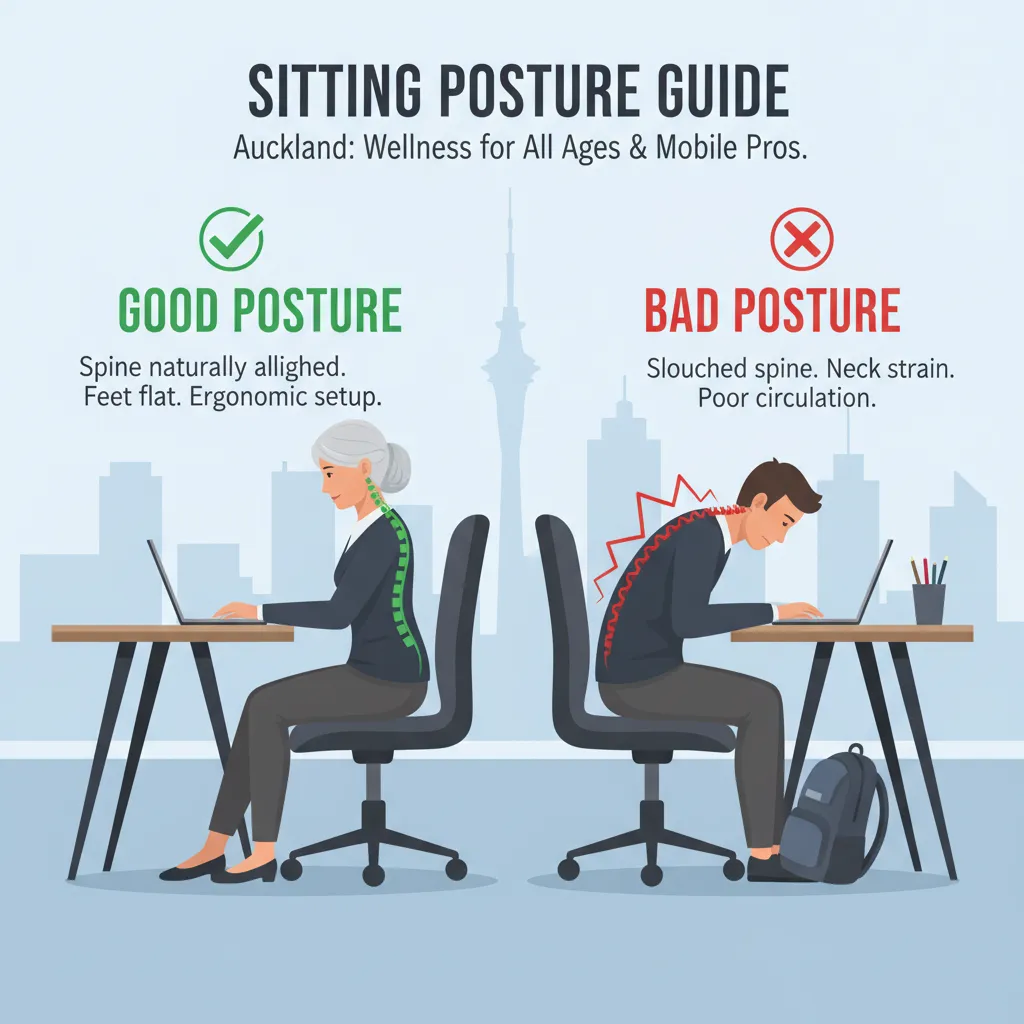
Making small, conscious adjustments throughout your day can have a profound impact on managing lower back pain in Auckland and beyond.
Safe Movement Patterns: Protecting Your Back Daily
Beyond specific exercises, how you move through your day significantly impacts your lower back. Adopting safe movement patterns is vital, especially when performing everyday tasks that might seem innocuous but can strain your spine if done incorrectly.
Essential Safe Movement Practices:
- Lifting Correctly: Always bend at your knees, not your waist. Keep the object close to your body and lift with your legs, not your back. Engage your core throughout the lift.
- Getting Up & Down: When getting out of bed, roll onto your side first, then push yourself up with your arms, swinging your legs off the bed. Reverse this to lie down. This minimizes twisting and straining the spine.
- Regular Movement Breaks: If you’re a mobile professional working long hours, set a timer to stand up and walk around every 30-60 minutes. Even a short stroll can prevent stiffness and improve circulation.
- Twisting with Care: Avoid twisting your torso while lifting or carrying objects. Instead, move your whole body by pivoting your feet.
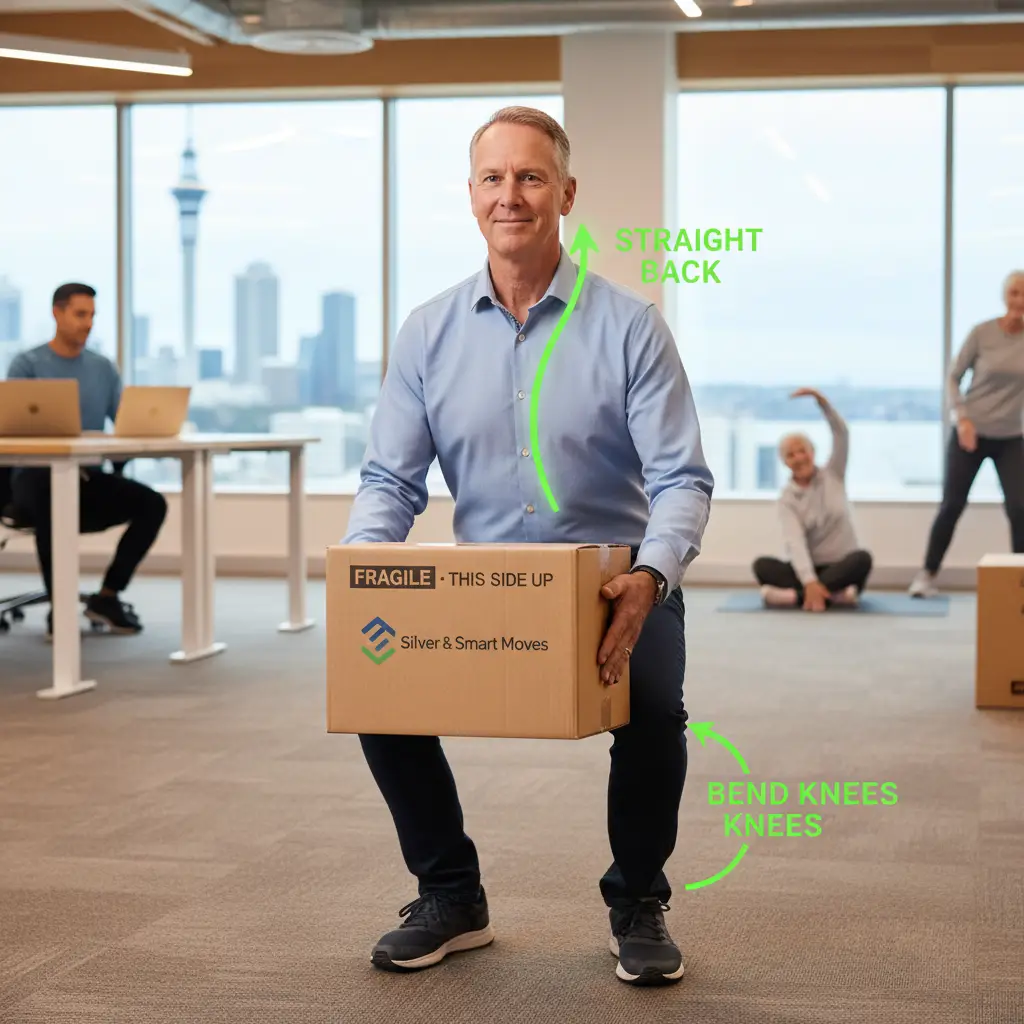
Integrating these habits into your daily life, from navigating Auckland’s busy streets to performing household chores, is crucial for long-term back health.
Frequently Asked Questions (FAQ)
How often should I do these exercises for lower back pain?
For best results, aim to perform these gentle exercises for lower back pain Auckland daily, or at least 3-5 times a week. Listen to your body and increase frequency or duration gradually as your strength and flexibility improve.
When should I consult a doctor or physiotherapist for back pain?
If your back pain is severe, persistent, accompanied by numbness or tingling in your legs, weakness, bladder/bowel issues, or occurred after an injury, seek medical attention immediately. A professional can provide a diagnosis and tailor personalized back pain exercise programs.
Are these exercises suitable for seniors or those with limited mobility?
Yes, many of these exercises are low-impact and can be modified. For example, pelvic tilts and gentle stretches are excellent. Always start slowly, prioritize proper form over range of motion, and consider consulting a healthcare professional before starting any new routine, especially if you have pre-existing conditions.
Can these exercises help with sciatica?
Some exercises, particularly gentle stretches like the hamstring stretch, can help alleviate sciatica symptoms by reducing nerve compression. However, sciatica can have various causes, and a proper diagnosis from a healthcare provider in Auckland is crucial for an effective treatment plan.
Where can I find personalized back pain exercise programs in Auckland?
For truly personalized care, look for certified physiotherapists, exercise physiologists, or specialized personal trainers in Auckland who have experience with chronic pain management and working with the silver economy or mobile professionals. They can assess your specific needs and create a bespoke program.
References & Sources
- World Health Organization (WHO). (2020). Low back pain. [Plausible link to WHO report/fact sheet on back pain]
- Physical Activity Guidelines for Americans, 2nd edition. U.S. Department of Health and Human Services. [Plausible link to CDC or HHS guidelines]
- American Academy of Orthopaedic Surgeons (AAOS). Lower Back Pain. [Plausible link to AAOS patient information]
- Physiotherapy New Zealand. Managing Back Pain. [Plausible link to a New Zealand physiotherapy resource]
- Mayo Clinic. (2023). Back pain: Self-care. [Plausible link to Mayo Clinic article]