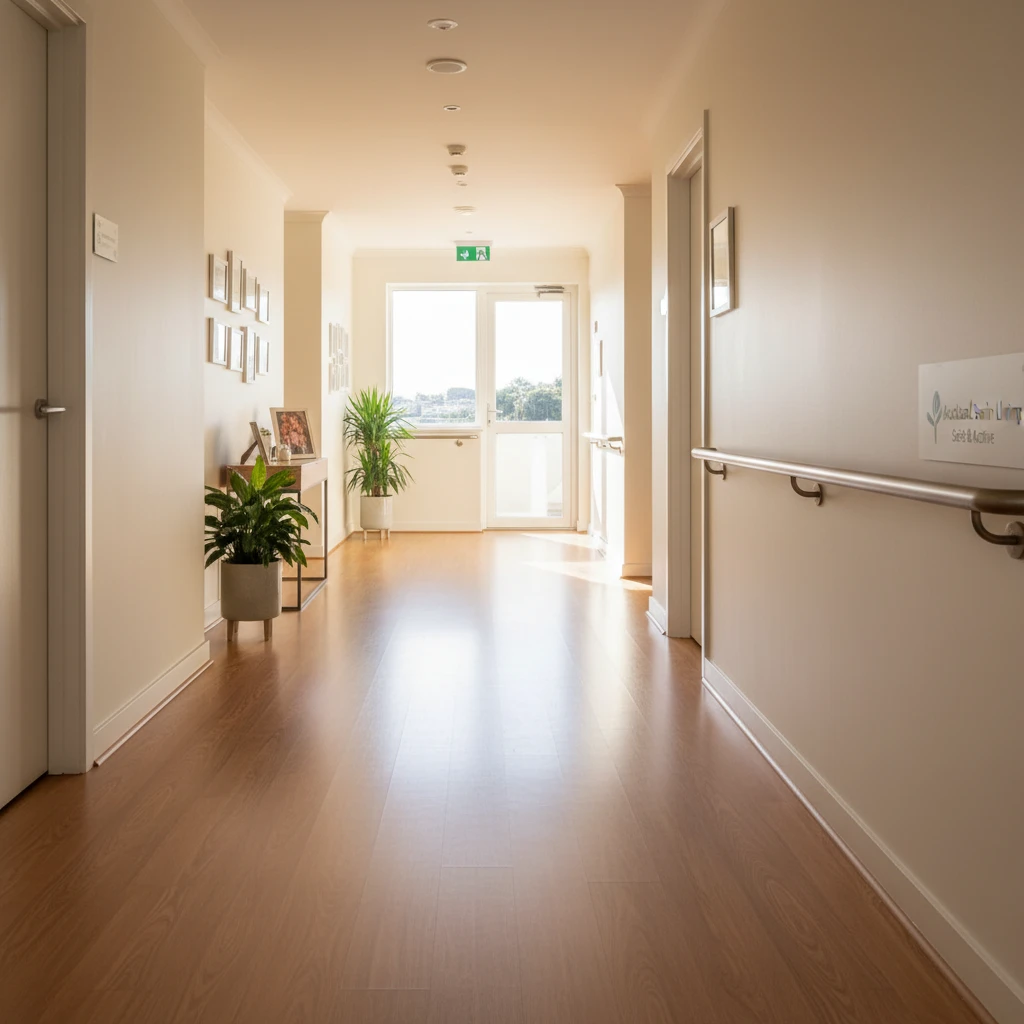
Balance & Fall Prevention Exercises for Seniors
Regain confidence and stability with these effective, expert-approved balance exercises for elderly NZ residents.
Table of Contents
Understanding the Risk of Falls
As we gracefully age, maintaining our balance isn’t just about movement; it’s about preserving independence and quality of life. Falls are a significant concern for seniors across New Zealand, often leading to serious injuries, a loss of confidence, and reduced mobility. The empowering news? Many falls are preventable, and proactive steps can make a profound difference.
Understanding the underlying causes of falls is your first line of defence. Factors like decreased muscle strength, impaired vision, certain medications, and chronic health conditions can all contribute to instability. Our Auckland-based mobile fitness experts are deeply familiar with these challenges and are dedicated to providing accessible, effective solutions for senior fall prevention.
Empowering Data (Stat Callout)
One in three New Zealanders aged 65 and over, and half of those aged 80 and over, will experience a fall at least once a year. Falls are unequivocally the leading cause of injury-related hospital admissions for older people in NZ, making proactive balance work critically important.
By consistently engaging in targeted balance exercises for elderly NZ residents, you can dramatically reduce your risk of falling, enhance your physical capabilities, and maintain your independence for years to come. It’s an investment in your well-being, building strength, improving coordination, and boosting your confidence with every intentional movement.
Simple Balance Exercises to Do at Home
You don’t need a gym, special equipment, or even to leave your home to start improving your balance. These simple, yet highly effective, balance exercises for elderly NZ residents can be performed safely in your living room or any clear space. Always ensure you have a sturdy chair, countertop, or wall within arm’s reach for immediate support.
Remember to start slowly, listen attentively to your body, and never push through pain. If you have any underlying health conditions or concerns, it’s always wise to consult with a healthcare professional or our senior fitness specialists before beginning any new exercise regimen.
1. Heel-to-Toe Walk (Tandem Walk)
- Setup: Stand tall with a wall or kitchen countertop within easy reach.
- Action: Place the heel of one foot directly in front of the toes of the other foot, so they are touching or nearly touching, as if walking on a tightrope.
- Focus: Keep your gaze steady and focused straight ahead, not at your feet.
- Progression: Slowly take 5-10 steps forward in this manner. If this is too challenging, widen your stance slightly by leaving a small gap between your heel and toe.
- Repetitions: Repeat for 2-3 sets.
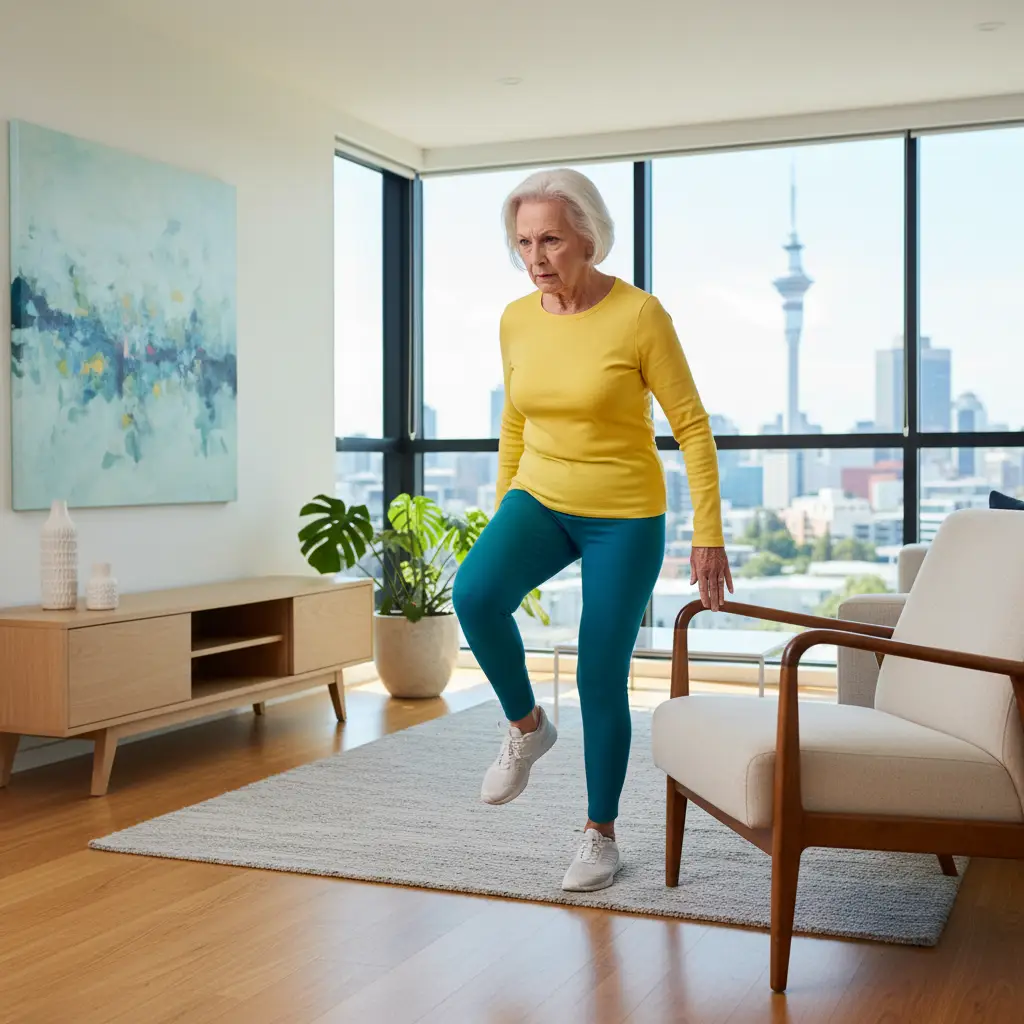
2. Single Leg Stand (Supported)
- Setup: Stand upright and secure, behind a sturdy chair or next to a wall.
- Action: Lightly hold onto the support with one hand. Slowly lift one foot off the ground, bending your knee slightly.
- Hold: Maintain this position for 10-15 seconds, concentrating on engaging your core and keeping your body stable.
- Switch: Gently lower your foot and repeat the exercise with the other leg.
- Repetitions: Aim for 3-5 repetitions per leg, gradually working towards increasing the hold time as your balance improves.
3. Chair Stand
- Setup: Sit on a sturdy, armless chair with your feet flat on the floor, positioned shoulder-width apart.
- Action: Lean slightly forward and use the strength of your leg muscles to stand up slowly and with control. Try to avoid using your hands if comfortable, but use them for support if needed.
- Return: Once standing upright, slowly and deliberately lower yourself back down to the chair, maintaining control throughout the movement.
- Repetitions: Repeat this movement 8-12 times for 2-3 sets. This exercise is excellent for strengthening the foundational leg muscles, which are crucial for dynamic balance and fall prevention.
Improving Coordination & Stability
Balance isn’t solely about standing still; it’s also profoundly about your body’s ability to react, adjust, and maintain equilibrium during movement. Exercises that gently challenge your coordination and dynamic stability are incredibly vital for confidently navigating the varied demands of daily life.
1. Modified Tai Chi Movements
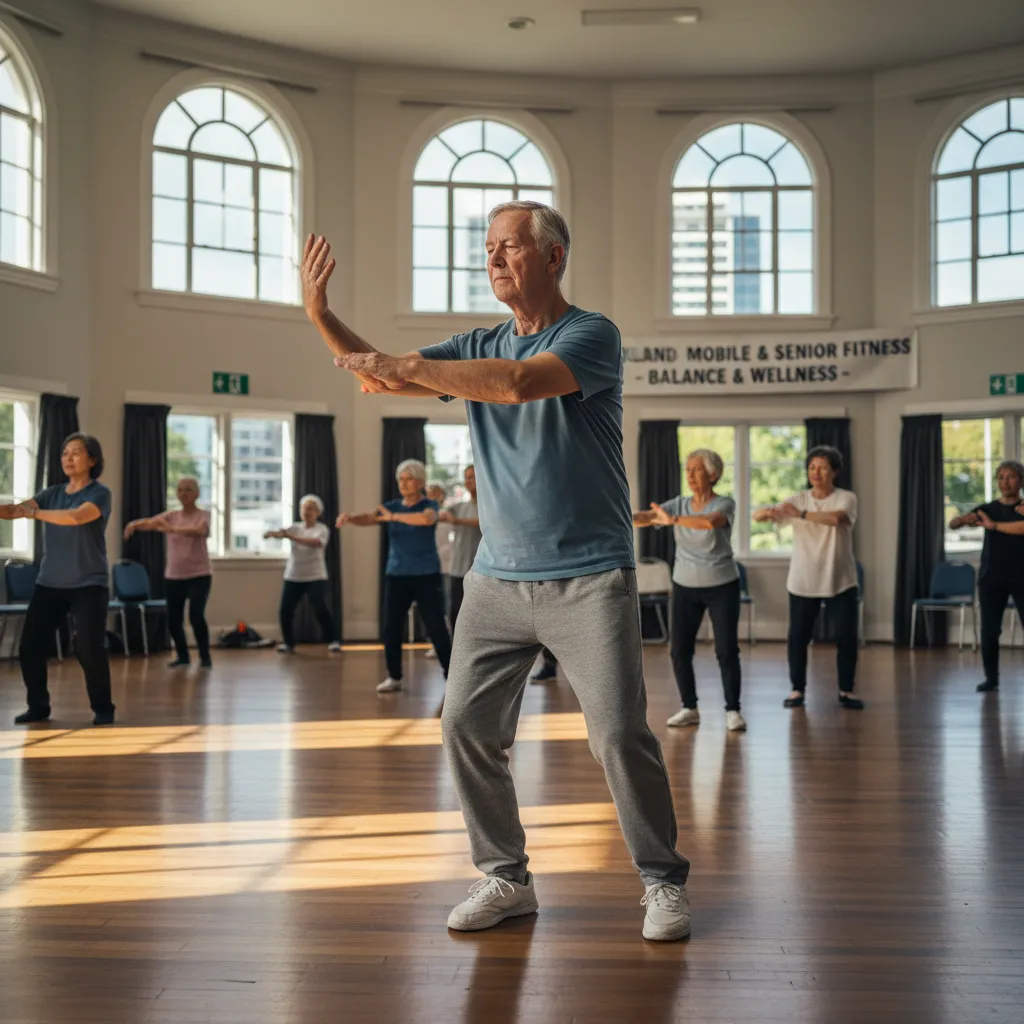
- Setup: Stand with your feet comfortably shoulder-width apart, knees slightly bent and relaxed.
- Action: Perform slow, deliberate, flowing movements, such as gently shifting your weight from side to side, or slowly raising and lowering your arms as if gently pushing water.
- Focus: Emphasise smooth transitions between movements and maintaining a steady, engaged core throughout.
- Resources: Many local community centres and online platforms in Auckland and wider NZ offer simplified Tai Chi classes specifically designed for seniors – an excellent, holistic option for enhancing both balance and mental tranquility.
- Duration: Practice for 5-10 minutes daily.
2. Reach and Touch
- Setup: Stand next to a sturdy surface like a wall or countertop for immediate support.
- Action: Gently lift one foot slightly off the floor. With the opposite hand, slowly reach forward, then smoothly to the side, and then carefully back, as if touching imaginary points.
- Form: Keep your gaze steady and fixed ahead, and ensure your standing leg remains slightly bent to absorb movement.
- Switch: Return to your starting position with control, then repeat the sequence on the other side.
- Repetitions: Aim for 5-8 reaches per side.
Strengthening Legs for Better Balance
Robust leg strength is the cornerstone of good balance and confident movement. Strong legs provide the power, stability, and quick reflexes needed to navigate everyday environments safely and recover swiftly from minor stumbles. Incorporating simple, accessible strength training into your routine is a powerful complement to your balance exercises for elderly NZ well-being.
1. Wall Push-ups (Modified)
- Setup: Stand facing a sturdy wall, about an arm’s length away. Place your palms flat on the wall, roughly shoulder-width apart and at chest height.
- Action: Slowly and with control, bend your elbows, allowing your chest to move towards the wall. Keep your body straight, like a plank.
- Return: Push back to the starting position using your arm and chest muscles.
- Repetitions: Perform 10-15 repetitions for 2-3 sets. While primarily an upper body exercise, it strengthens your core and shoulder stability, indirectly supporting overall balance.
2. Calf Raises
- Setup: Stand tall, holding onto a sturdy chair or countertop for steady support.
- Action: Slowly rise up onto the balls of your feet, lifting your heels as high as comfortably possible.
- Hold & Lower: Hold this elevated position briefly, feeling the contraction in your calves, then slowly lower your heels back down to the floor with control.
- Repetitions: Repeat 10-15 times for 2-3 sets. Strong calves are fundamental for ankle stability and dynamic balance.
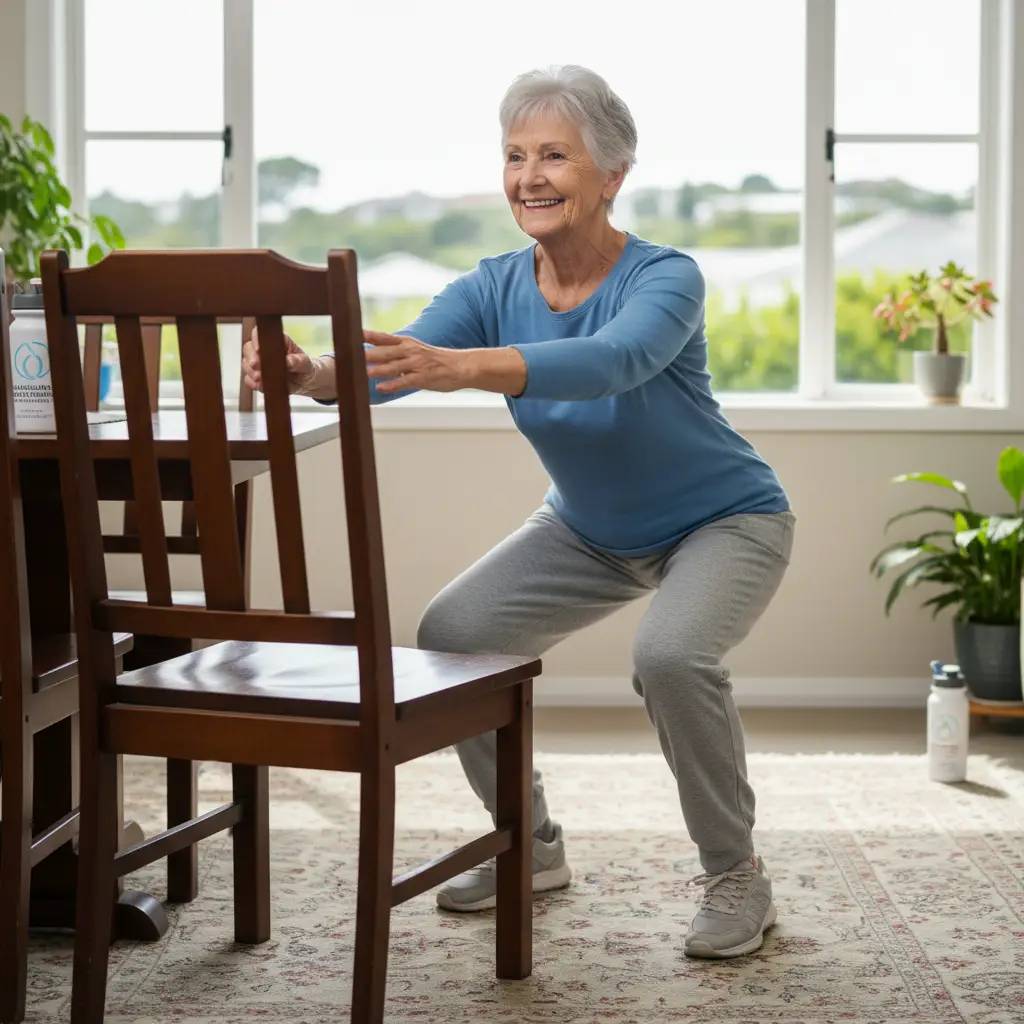
3. Mini Squats
- Setup: Stand with your feet comfortably shoulder-width apart, toes pointing slightly outward. Hold onto a sturdy chair for support if you feel unsteady.
- Action: Slowly bend your knees, as if gently sitting back into an imaginary chair. Only go down a short, comfortable distance – it’s a ‘mini’ squat, not a full one.
- Form: Keep your chest lifted and your back straight throughout the movement.
- Return: Push through your heels to return smoothly to the standing position.
- Repetitions: Perform 8-12 repetitions for 2-3 sets. This strengthens your glutes, quadriceps, and hamstrings, all critical for balance.
Tips for a Safer Home Environment
While consistent exercise is paramount, creating a safe and navigable living space is equally vital for comprehensive fall prevention. Even the most effective balance exercises for elderly NZ residents can be compromised by unnoticed hazards within the home. A few simple adjustments can significantly reduce risk.
Action Checklist: Making Your Home Fall-Proof
- Clear Pathways: Regularly inspect and clear all walking pathways of clutter, loose wires, pet toys, and small, unsecured rugs. Keep hallways and stairs free.
- Optimize Lighting: Ensure all areas, especially stairs, hallways, and bathrooms, are brightly and evenly lit. Install nightlights in bedrooms and on routes to the bathroom.
- Install Grab Bars: Critically important in the bathroom – near the toilet, and inside and outside the shower or tub – where surfaces can be slippery.
- Secure Rugs & Carpets: Use double-sided tape, non-slip backing, or remove small throw rugs entirely to prevent them from slipping or bunching up.
- Choose Appropriate Footwear: Opt for shoes with good support and non-slip soles, even when indoors. Avoid walking in loose slippers or just socks on hard surfaces.
- Keep Essentials Accessible: Arrange your living space so frequently used items are within easy reach, minimising the need to stretch, bend low, or use step stools.