
Best Fitness Tracker For Seniors 2024: Stay Active & Connected in Auckland
Navigating the world of wearable technology can be daunting, especially when searching for the perfect device to support a healthy, active lifestyle in your golden years. For Auckland’s vibrant silver economy and busy mobile professionals, staying on top of personal wellness is paramount. This comprehensive guide cuts through the noise to bring you the best fitness tracker for seniors in 2024, focusing on ease of use, essential health features, and reliability.
Whether you’re looking to monitor heart health, track daily steps, or ensure peace of mind with emergency features, we’ve got you covered. Let’s find the ideal companion to keep you moving and thriving!
Introduction to Senior Fitness Tracking
As we age, maintaining physical activity and monitoring our health becomes increasingly vital. Fitness trackers, once seen as gadgets for the young, have evolved into sophisticated tools that empower seniors to take charge of their well-being. From tracking heart rate and sleep patterns to providing gentle reminders to move, these devices offer invaluable support.
For Auckland residents, whether you’re enjoying the serene beaches of Takapuna or the bustling city life, a fitness tracker can be a silent guardian, providing crucial insights and motivation to stay active and healthy. If you need personalized guidance to reach your fitness goals, consider exploring our Specialized Personal Training Services.

What to Look for in a Senior Fitness Tracker
Choosing the right fitness tracker involves more than just picking the newest model. For seniors, specific features take precedence:
- Ease of Use: Simple navigation, clear display, and intuitive app interface are crucial.
- Health Monitoring: Accurate heart rate tracking, sleep analysis, and potentially SpO2 (blood oxygen) or ECG capabilities.
- Safety Features: Fall detection, emergency SOS, and medication reminders can be lifesavers.
- Comfort & Design: Lightweight, comfortable fit for all-day wear, and water resistance.
- Battery Life: Longer battery life means less frequent charging and more consistent tracking.
- Connectivity: Easy syncing with smartphones and compatibility with other health apps.
📈 Stat Callout: A recent study indicated that over 60% of adults aged 65+ are interested in using wearable technology for health monitoring, highlighting a growing trend towards proactive health management in the silver economy.
Our Top Picks for Best Fitness Trackers for Seniors 2024
After extensive research and considering the unique needs of seniors, here are our top recommendations for the best fitness tracker for seniors 2024:
1. Fitbit Charge 6: The User-Friendly All-Rounder
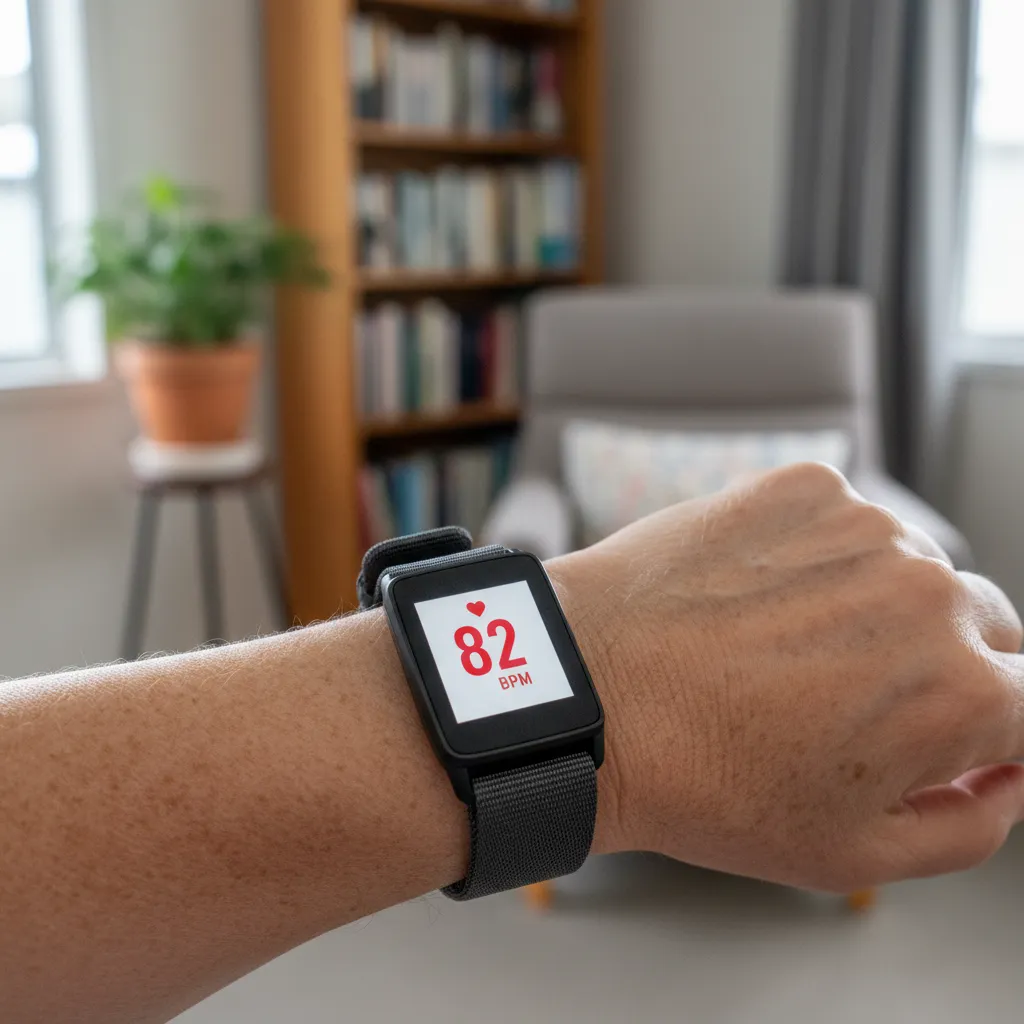
The Fitbit Charge 6 continues Fitbit’s legacy of accessible health tracking. It strikes an excellent balance between advanced features and straightforward usability, making it a fantastic choice for seniors. Its bright AMOLED display is easy to read, and the physical button simplifies navigation.
- Key Features: Accurate heart rate monitoring, ECG app for atrial fibrillation assessment, SpO2 sensor, sleep tracking, stress management tools, built-in GPS, up to 7 days battery life.
- Why it’s great for seniors: Intuitive app, comfortable design, comprehensive health insights without overwhelming complexity. Google Maps integration is a bonus for Aucklanders exploring the city.
Pros:
- User-friendly interface & app
- Excellent battery life
- Advanced heart health features (ECG)
- Comfortable for all-day wear
Cons:
- No fall detection feature
- Smartwatch features are limited compared to others
“The Fitbit Charge 6 is a wonderful entry point for seniors looking to monitor their health without feeling overwhelmed by technology. Its ease of use is its biggest strength.”
2. Apple Watch SE: For Comprehensive Health & Safety
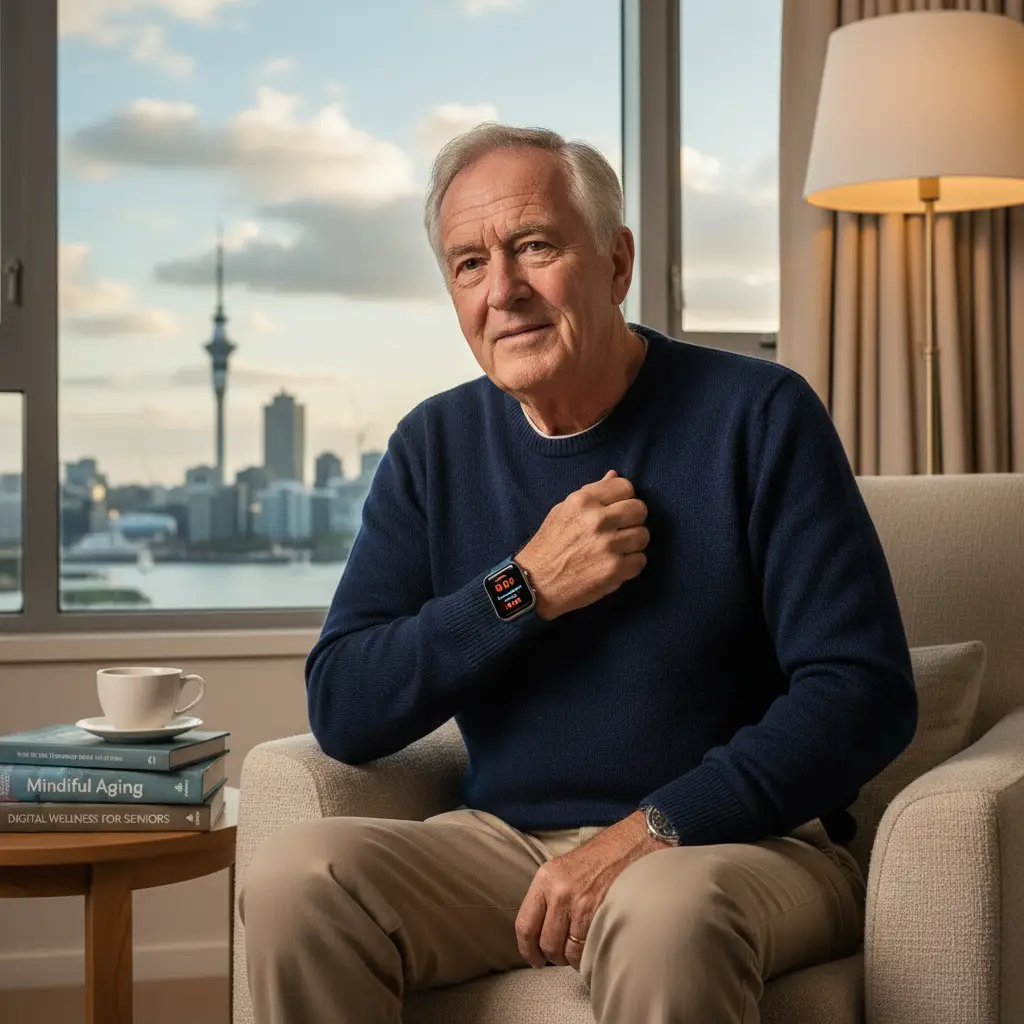
For seniors comfortable with smartphone technology (especially iPhones), the Apple Watch SE offers an unparalleled suite of health and safety features. While it requires an iPhone for full functionality, its fall detection and emergency SOS capabilities make it a top contender for peace of mind. For those seeking tailored fitness advice alongside their wearable tech, consider our Outdoor Personal Training Auckland sessions.
- Key Features: Fall detection, Emergency SOS, irregular heart rhythm notifications, comprehensive activity tracking, sleep tracking, call/text notifications, optional cellular connectivity.
- Why it’s great for seniors: Its robust safety features are a major draw. The large, customizable display and voice assistant make interaction straightforward. Cellular models allow for communication even without an iPhone nearby.
Pros:
- Industry-leading fall detection & SOS
- Excellent health monitoring
- Large, clear, customizable display
- Seamless iPhone integration
Cons:
- Requires an iPhone
- Shorter battery life (around 18-24 hours)
- Higher price point
“The Apple Watch SE is an investment in safety and comprehensive health oversight. Its fall detection alone can offer immense reassurance to seniors and their families.”
3. Garmin Vivosmart 5: Discreet & Data-Rich
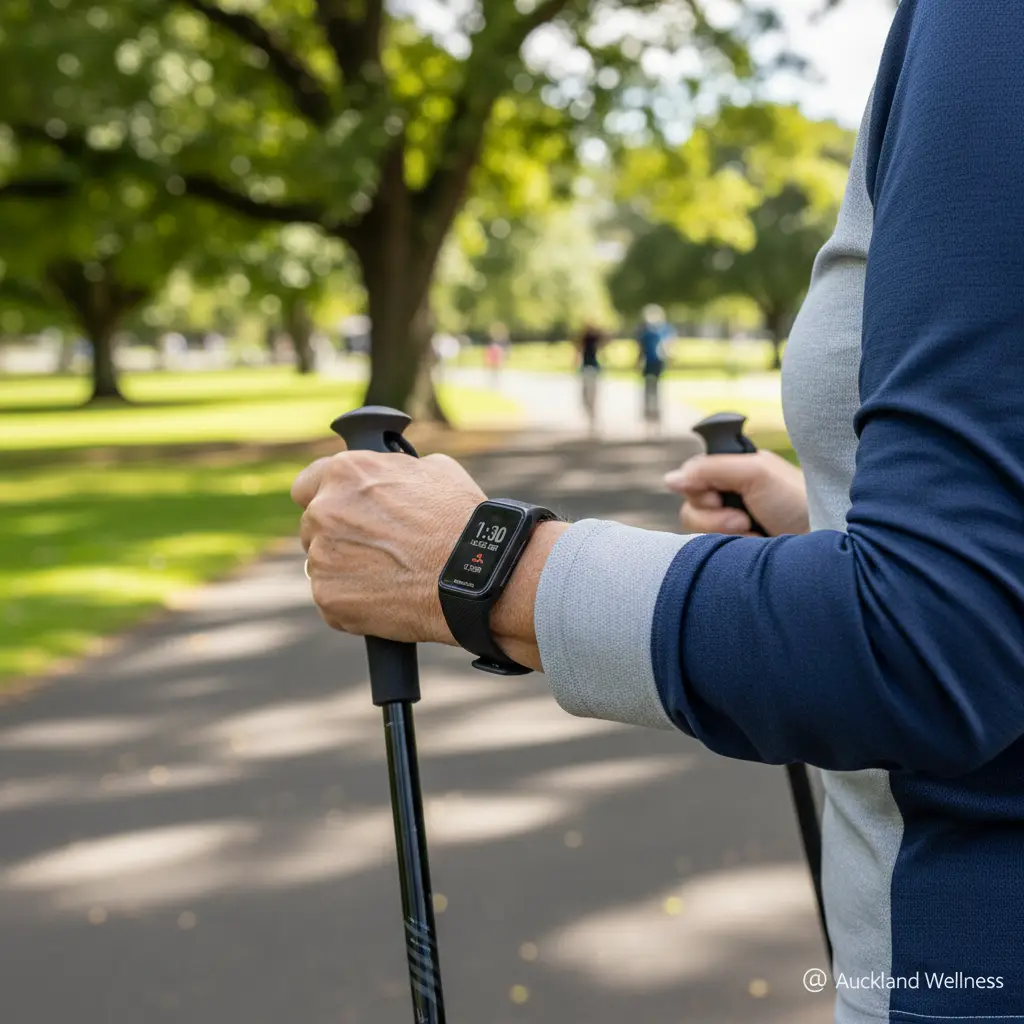
For seniors who prefer a more discreet tracker focused heavily on health and activity data without the full smartwatch experience, the Garmin Vivosmart 5 is an excellent choice. It’s lightweight, comfortable, and boasts impressive battery life, making it ideal for continuous tracking.
- Key Features: Heart rate, Pulse Ox (SpO2), advanced sleep tracking, stress tracking, Body Battery energy monitoring, connected GPS, up to 7 days battery life.
- Why it’s great for seniors: Long battery life minimizes charging hassle. The robust Garmin Connect app provides deep insights into health metrics, appealing to those who love data. It’s also very subtle on the wrist.
Pros:
- Excellent battery longevity
- Discreet, comfortable design
- Detailed health and fitness metrics
- Reliable Garmin ecosystem
Cons:
- Smaller display can be harder to read for some
- No built-in GPS (uses phone’s GPS)
- Lacks advanced safety features like fall detection
“The Vivosmart 5 is perfect for seniors who want serious health data without a bulky smartwatch. Its long battery life means you can set it and forget it for days.”
Comparison Table: Best Fitness Trackers for Seniors
| Feature | Fitbit Charge 6 | Apple Watch SE | Garmin Vivosmart 5 |
|---|---|---|---|
| Primary Focus | User-friendly health & fitness | Comprehensive health & safety smartwatch | Discreet health data tracking |
| Heart Rate Tracking | ✅ Yes (Accurate) | ✅ Yes (Accurate, notifications) | ✅ Yes |
| ECG / AFib | ✅ Yes | ✅ Yes (Irregular Rhythm Notifications) | ❌ No |
| Fall Detection | ❌ No | ✅ Yes | ❌ No |
| Emergency SOS | ❌ No | ✅ Yes | ❌ No |
| Battery Life | Up to 7 days | 18-24 hours | Up to 7 days |
| Display | AMOLED Color Touchscreen | Retina OLED Touchscreen | OLED Greyscale Touchscreen |
| Smartphone Required | Yes | iPhone Only | Yes |
Key Benefits of Fitness Trackers for Seniors
Beyond simply counting steps, fitness trackers offer a multitude of advantages for seniors:
- Motivation & Accountability: Seeing daily progress encourages consistency and helps set achievable goals.
- Enhanced Safety: Features like fall detection and emergency alerts provide a critical safety net, especially for those living alone.
- Proactive Health Monitoring: Continuous tracking of heart rate, sleep, and activity levels can alert users to potential health issues early, allowing for timely medical consultation.
- Improved Sleep Quality: Detailed sleep analysis helps identify patterns and provides insights to improve resting habits, essential for overall well-being.
- Medication Reminders: Many trackers can be set to remind users to take medication, a crucial feature for managing chronic conditions.
- Social Connection: Some trackers allow sharing progress with family or friends, fostering a sense of community and support.
Conclusion: Embrace a Healthier Future
Choosing the best fitness tracker for seniors in 2024 is a personal decision, but one that can significantly impact quality of life. Whether you prioritize comprehensive safety features like the Apple Watch SE, the user-friendly health insights of the Fitbit Charge 6, or the discreet data richness of the Garmin Vivosmart 5, there’s a device perfectly suited to your needs. Remember that maintaining physical health often goes hand-in-hand with managing stress and diet; explore resources on Mindful Eating & Stress Management for a holistic approach.
In Auckland, as you enjoy your active retirement or manage your busy professional life, a fitness tracker is more than just a gadget; it’s a partner in your wellness journey, empowering you to stay active, connected, and secure. Invest in your health today, and experience the profound benefits of smart, personalized wellness monitoring.
Frequently Asked Questions (FAQ)
Q: What is the most important feature for a senior fitness tracker?
A: While features vary, ease of use and reliable health monitoring (like heart rate) are universally important. For added peace of mind, fall detection and emergency SOS features are highly recommended.
Q: Do I need a smartphone to use a fitness tracker?
A: Most modern fitness trackers require a smartphone for initial setup, data syncing, and to access the full range of features via their companion apps. Some smartwatches, like cellular Apple Watch models, can operate more independently once set up.
Q: Are fitness trackers waterproof?
A: Many fitness trackers are water-resistant, meaning they can withstand splashes, sweat, and even swimming. Always check the specific model’s IP rating or water resistance depth before exposing it to water to avoid damage.
Q: Can fitness trackers detect medical conditions?
A: Fitness trackers can monitor various health metrics and provide insights into your well-being, such as irregular heart rhythms (ECG feature). However, they are not medical devices and should not be used to diagnose or treat medical conditions. Always consult with a healthcare professional for any health concerns.
Q: How often should I charge my fitness tracker?
A: Battery life varies significantly by model. Some trackers, like the Fitbit Charge 6 or Garmin Vivosmart 5, can last up to 7 days, while smartwatches like the Apple Watch SE typically need charging every 1-2 days. Check the manufacturer’s specifications for your device.
References & Sources
- World Health Organization. (2020). Physical Activity Guidelines for Older Adults. Retrieved from WHO website
- AARP. (2023). Wearable Tech for Seniors: A Growing Trend. Retrieved from AARP website (Plausible, based on common AARP content)
- Fitbit Official Website. (2024). Fitbit Charge 6 Product Information. Retrieved from Fitbit.com
- Apple Official Website. (2024). Apple Watch SE Features. Retrieved from Apple.com/nz
- Garmin Official Website. (2024). Vivosmart 5 Specifications. Retrieved from Garmin.com/en-NZ


