
Master Exercise Biomechanics for Injury Prevention
Understanding **exercise biomechanics injury prevention** is crucial for safer, more effective workouts. Learn how precise movement can transform your fitness journey.
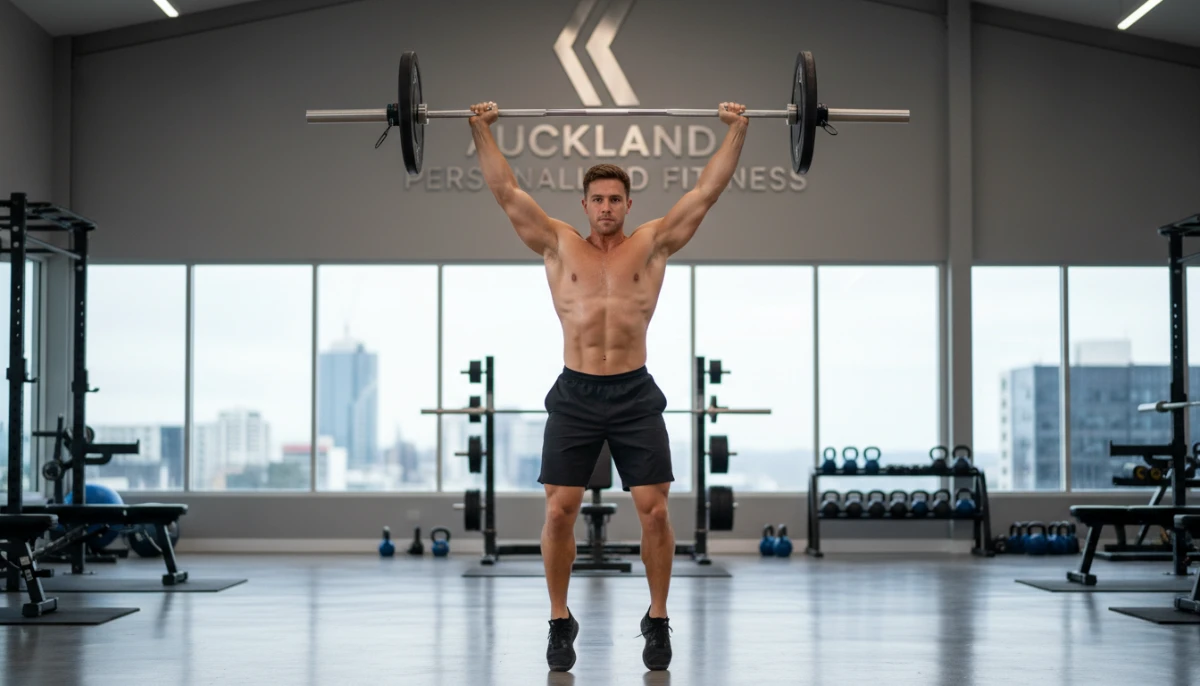
Table of Contents
Understanding Human Movement Fundamentals
Every step, jump, and lift involves complex actions within your body. Biomechanics is the science that studies these movements. It helps us understand the forces acting on our bodies and how our muscles, bones, and joints work together.
For anyone serious about fitness, a basic grasp of biomechanics is vital. It’s the foundation for effective training and the key to preventing injuries. When you understand how your body is designed to move, you can perform exercises correctly.
What is Biomechanics?
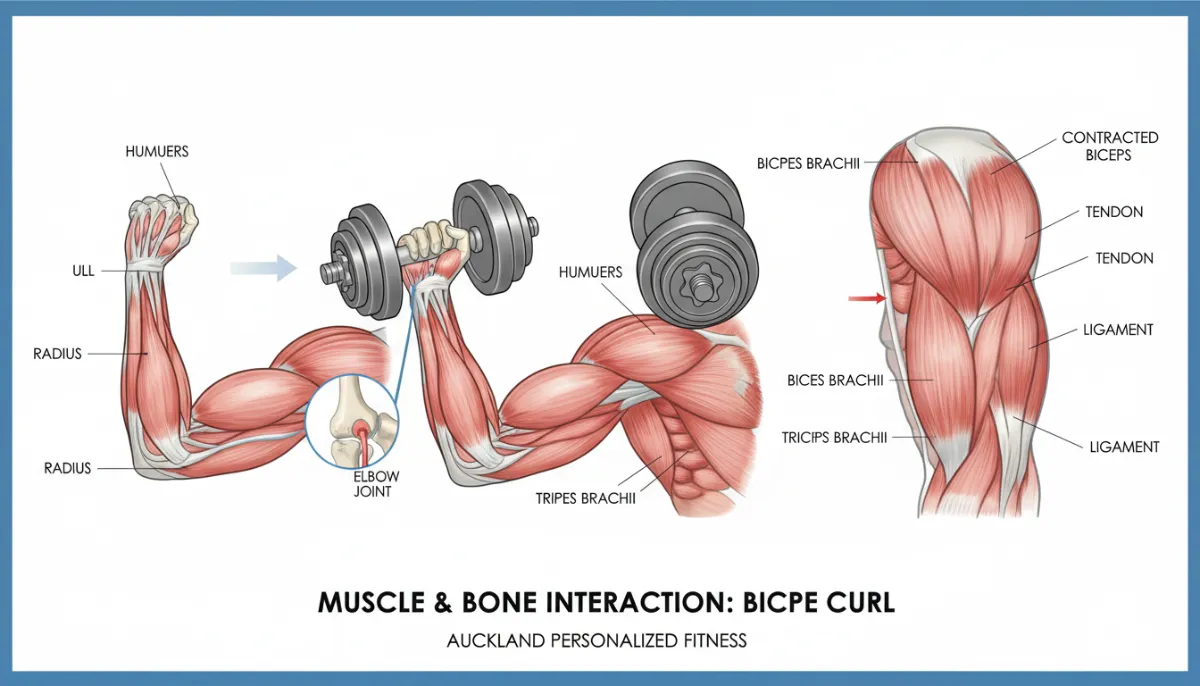
Simply put, biomechanics is the application of mechanical principles to living organisms. In fitness, it focuses on how muscles, bones, tendons, and ligaments interact to produce movement. It looks at everything from your posture while standing to the complex actions of a squat or a sprint.
Knowing this helps us identify efficient movement patterns. It also highlights why some movements might put undue stress on certain body parts. This knowledge is crucial for anyone engaging in physical activity, regardless of their fitness level.
Key Principles of Movement
Several principles guide how our bodies move. Understanding them can greatly improve your workouts. For instance, leverage plays a huge role in how much force you can generate or how much weight you can lift. Stability is another critical factor; a stable base allows for powerful and controlled movement.
Consider Newton’s Laws of Motion. Every action has an equal and opposite reaction. This applies to jumping, running, and lifting weights. Mastering these basic concepts helps optimize your form and minimize strain, directly contributing to exercise biomechanics injury prevention.
Improving Your Exercise Form and Technique
Good form isn’t just about looking good; it’s about maximizing effectiveness and minimizing risk. Incorrect technique can lead to muscle imbalances, overuse injuries, and limit your strength gains. Focusing on proper movement is paramount.
Even small adjustments can make a big difference. This section will guide you through common mistakes and highlight the importance of your core. These insights are essential steps in effective exercise biomechanics injury prevention strategies.
Common Mistakes to Avoid
Many common exercises are often performed incorrectly. For example, during squats, knees caving inward or a rounded back are typical errors. In deadlifts, failing to hinge at the hips can strain your lower back. Push-ups might suffer from sagging hips or elevated shoulders.
These mistakes stem from a lack of awareness of biomechanical principles. Learning to identify and correct them will protect your joints and target the right muscles. Always prioritize form over lifting heavier weights or doing more repetitions.
- **Squats:** Ensure your chest stays up and knees track over your toes.
- **Deadlifts:** Maintain a neutral spine; hinge from the hips, not your lower back.
- **Push-ups:** Keep a straight line from head to heels; engage your core.
- **Overhead Press:** Avoid arching your lower back excessively; keep your core tight.
The Role of Core Strength
Your core muscles are the powerhouse of your body. They stabilize your spine and pelvis, providing a strong foundation for all movements. A weak core can compromise your form in nearly every exercise, increasing your injury risk.
Engaging your core effectively means bracing your abdominal muscles, not just sucking in your stomach. Strong core muscles improve balance, power, and overall body control. This makes them indispensable for comprehensive exercise biomechanics injury prevention.

Effectively Reducing Your Injury Risk
Prevention is always better than cure. By incorporating smart strategies into your fitness routine, you can significantly lower your chances of getting hurt. This means paying attention to how you start and end your workouts, and how you progress over time.
Smart training isn’t just about pushing hard; it’s about pushing smart. This section will cover vital components like warming up, cooling down, and understanding progressive overload. These are cornerstones of a safe and effective fitness regimen.
Warm-up and Cool-down Essentials
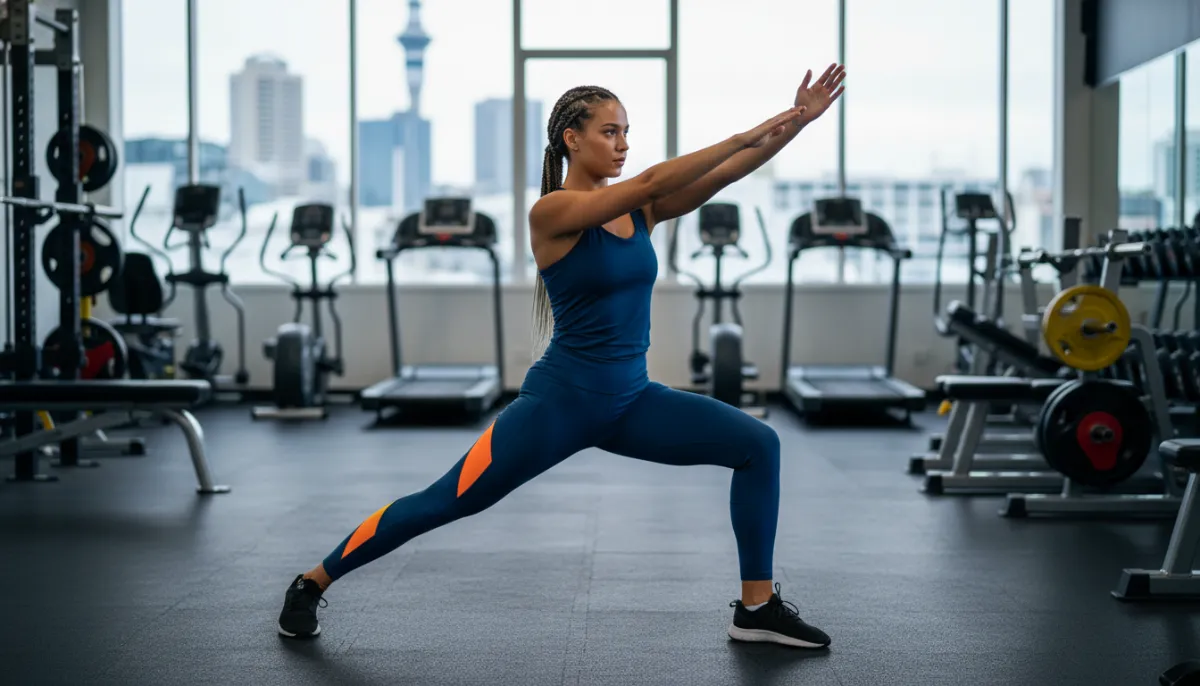
Never skip your warm-up! A good warm-up prepares your body for exercise by increasing blood flow to muscles and improving joint mobility. Dynamic stretches, like arm circles or leg swings, are excellent for this. They mimic the movements you’ll perform in your workout.
Similarly, a cool-down is crucial. It helps your heart rate return to normal and promotes muscle recovery. Static stretches, held for 20-30 seconds, can improve flexibility and reduce post-exercise soreness. Both are simple yet powerful tools for injury prevention.
Progressive Overload and Recovery
To get stronger, you need to challenge your muscles progressively. This is called progressive overload. However, doing too much too soon is a common cause of injury. Gradually increasing weight, repetitions, or intensity allows your body to adapt safely.
Equally important is recovery. Your muscles grow and repair during rest. Overtraining can lead to fatigue, decreased performance, and a higher risk of injury. Listen to your body, schedule rest days, and recognize the profound impact physical activity has on mental well-being. Indeed, many leverage the benefits of Stress Relief Through Personalized Fitness to maintain overall health and balance in their lives.
For those seeking to further enhance their fitness journey and prevent injuries within a supportive environment, engaging with local communities can be highly beneficial. Explore the vibrant Auckland Fitness Community & Local Events to find groups and activities that align with your goals. Additionally, challenging yourself through structured programs, such as Hyper-Local Fitness Challenges Auckland Suburbs, can provide motivation and a fun way to apply biomechanical principles in real-world scenarios.
The Importance of Posture and Alignment
Your static posture—how you stand or sit when not moving—has a massive impact on your dynamic movement patterns. Poor alignment in daily life sets you up for biomechanical faults during exercise.
Chronic postural issues, such as forward head posture or rounded shoulders, create muscular imbalances. These imbalances can lead to tightness in some areas and weakness in others, creating torque and strain when you try to lift heavy or move quickly. Addressing these foundational alignment issues is key to long-term injury mitigation.
Assessing Your Neutral Spine
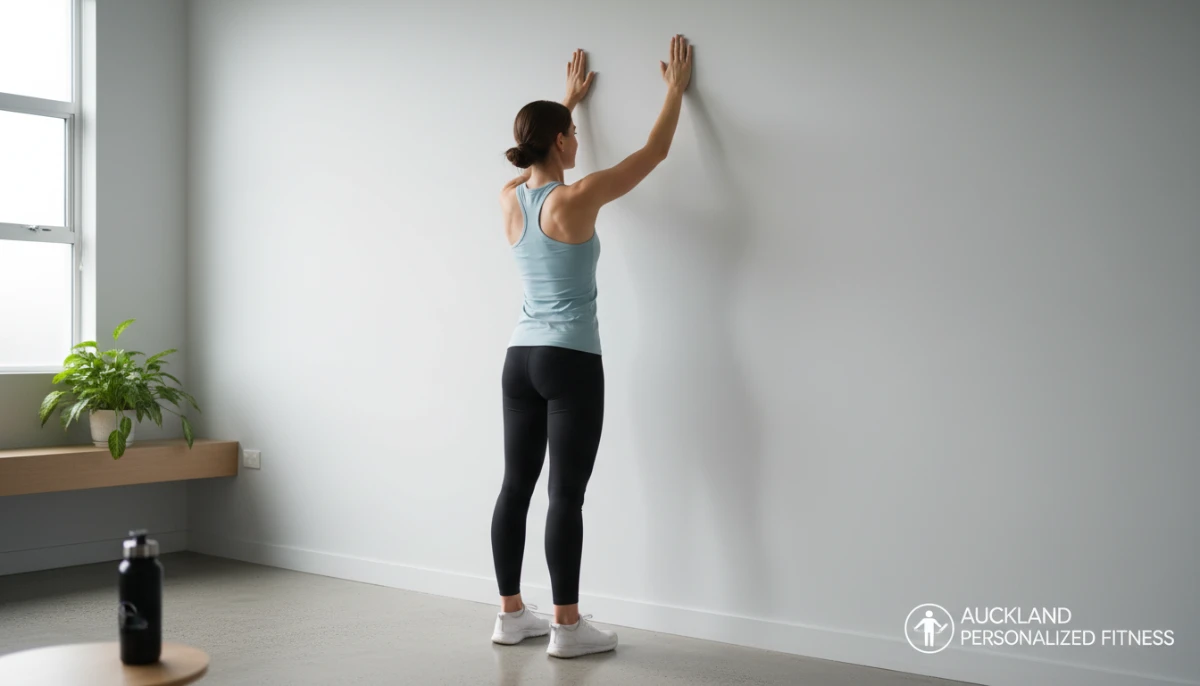
The neutral spine position is the optimal starting point for almost every lift. It means maintaining the natural curves of your spine (cervical lordosis, thoracic kyphosis, and lumbar lordosis) without exaggeration. Many people spend too much time in flexion (rounded) or hyperextension (arched).
Training to maintain this neutral position during loaded movements ensures that forces are distributed evenly across the spinal discs and surrounding tissues. For detailed guidance on achieving optimal alignment across various training modalities, consider looking into Specialized Personal Training Services.
Advanced Tools and Techniques for Safer Training
Beyond basic form cues, modern training incorporates specific tools and methods designed to enhance movement quality and resilience. These might include specialized equipment or advanced programming techniques.
Tools like foam rollers, resistance bands, and stability balls can aid in muscle activation, mobility work, and stability training. Understanding how to use these tools correctly, based on biomechanical assessment, maximizes their benefit for injury prevention.
Mobility vs. Flexibility
While related, mobility (the ability to actively move a joint through its range of motion) is often more critical than passive flexibility (the ability to passively stretch a muscle). Biomechanics favors mobility because it demands strength and control throughout the entire range of motion.
Targeted mobility drills ensure that joint capsules and associated soft tissues are healthy enough to handle the stresses of demanding exercises. Investing time in improving functional mobility directly translates to better performance and fewer strains.
Programming for Longevity
Effective programming must account for cumulative fatigue. If you are training for years, not just weeks, your programming needs to balance high-intensity work with periods of lower intensity or volume. This ensures that your tissues can adapt and recover fully.
Achieving longevity in fitness isn’t about short bursts of intensity; it’s about consistency supported by intelligent planning. This kind of sustainable approach often means looking beyond generic plans. For those considering remote guidance, a Online Fitness Coaching Auckland Comparison can help you find the right fit for tailored, long-term programming.
Your Personalized Approach to Fitness in 2026
Biomechanics is inherently individual. What works perfectly for one person might cause pain for another due to differences in limb length, skeletal structure, or past injuries. This is why generalized advice has limits.
A personalized approach involves an initial assessment of your unique movement patterns. A qualified professional can identify subtle compensations and tailor exercise selection and technique cues specifically to your body’s blueprint. This bespoke attention is the ultimate strategy for achieving Sustainable Fitness Results with a Personal Coach.
Why Customization Matters
Customization ensures that the movements you perform promote health rather than harm. It means modifying exercises to accommodate limitations while still driving progress toward your goals. It respects your body’s current capabilities while strategically planning for future adaptation.
By understanding your unique biomechanics, you move past generic workout routines and step into a realm where every movement supports your long-term physical health and athletic potential.
Ready to Master Your Movement?
Stop guessing and start moving with precision. Unlock the power of expert biomechanical analysis today.

