
Chair Exercises & Low-Impact Workouts for Seniors in NZ
Staying active is a cornerstone of healthy aging, and for many seniors in New Zealand, finding safe and accessible ways to exercise is key. Our guide focuses on effective chair exercises for seniors NZ, offering low-impact workouts that can be done from the comfort of your home or any seated position. Whether you’re looking to improve mobility, boost strength, or simply maintain an active lifestyle, these seated and chair-supported routines are designed with your well-being in mind.
These workouts are perfect for those seeking gentle yet powerful ways to stay fit, helping to enhance balance, flexibility, and overall functional strength. Let’s explore how simple adjustments can lead to significant health benefits, making fitness achievable for everyone.
Table of Contents
- Introduction to Chair-Based Fitness
- Upper Body Chair Exercises
- Lower Body Chair Exercises
- Core Strength While Seated
- Gentle Standing Exercises with Chair Support
- Frequently Asked Questions
- References & Further Reading
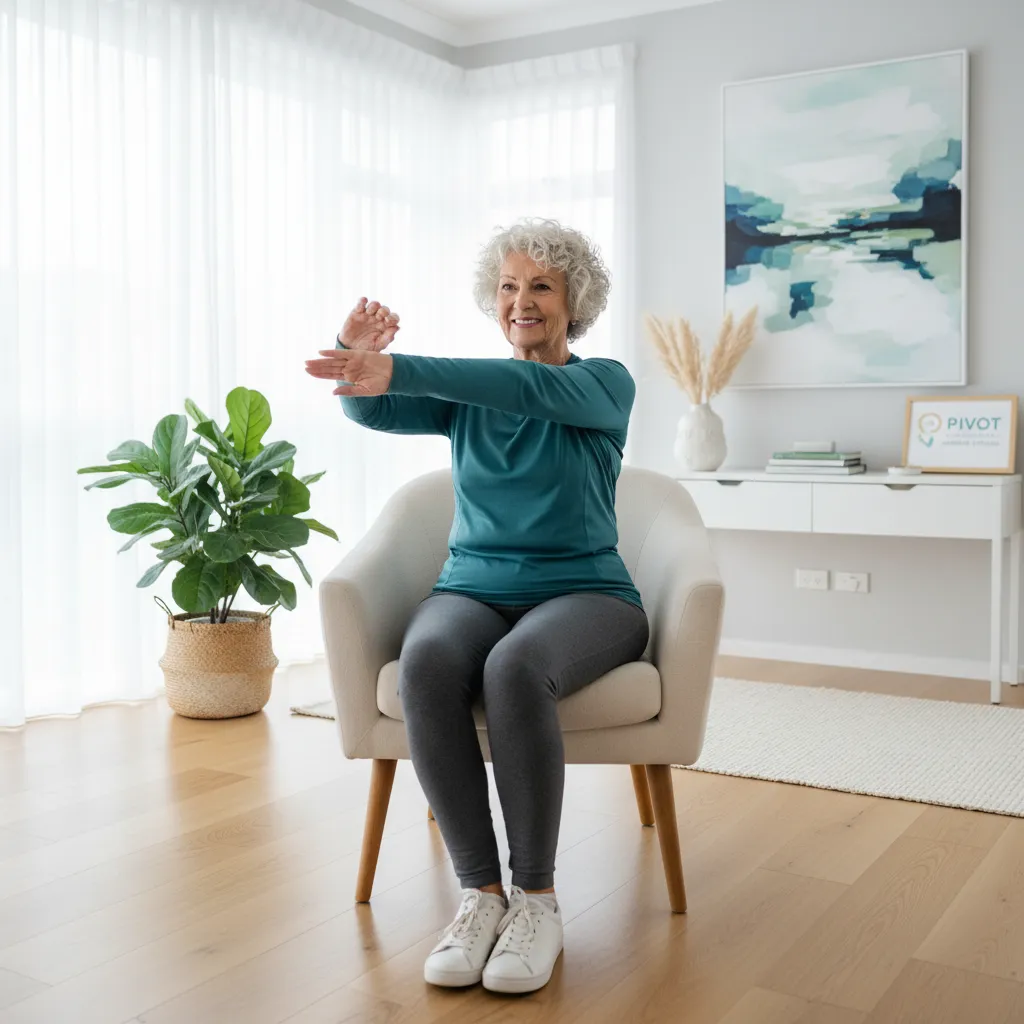
Upper Body Chair Exercises
Strengthening the upper body is crucial for daily tasks, from carrying groceries to reaching for items. These seated exercises target your shoulders, arms, and back, helping to maintain independence and improve posture.
Stat Callout: Regular strength training, even low-impact forms like chair exercises, can reduce the risk of age-related muscle loss (sarcopenia) by up to 50% in older adults. (Journal of Gerontology)
1. Seated Arm Circles
- Sit tall: Sit at the edge of your chair with your back straight, feet flat on the floor, and core gently engaged.
- Extend arms: Extend both arms straight out to your sides, parallel to the floor, palms facing forward.
- Small circles: Begin making small, controlled circles forward with your arms for 10-15 repetitions.
- Reverse: Reverse the direction and make small circles backward for another 10-15 repetitions. Keep your shoulders relaxed.
2. Overhead Arm Raises
- Starting position: Sit upright with your feet hip-width apart. Hold light weights (or water bottles) in each hand, palms facing in, resting by your sides.
- Raise arms: Slowly raise both arms out to your sides and up overhead, keeping a slight bend in your elbows.
- Lower slowly: Control the movement as you lower your arms back down to the starting position. Repeat 8-12 times.
- Focus: Concentrate on smooth, deliberate movements, avoiding any jerky motions.
Lower Body Chair Exercises
Maintaining strong legs and flexible hips is vital for balance and preventing falls. These simple seated exercises target your quadriceps, hamstrings, and glutes, fundamental for confident movement.
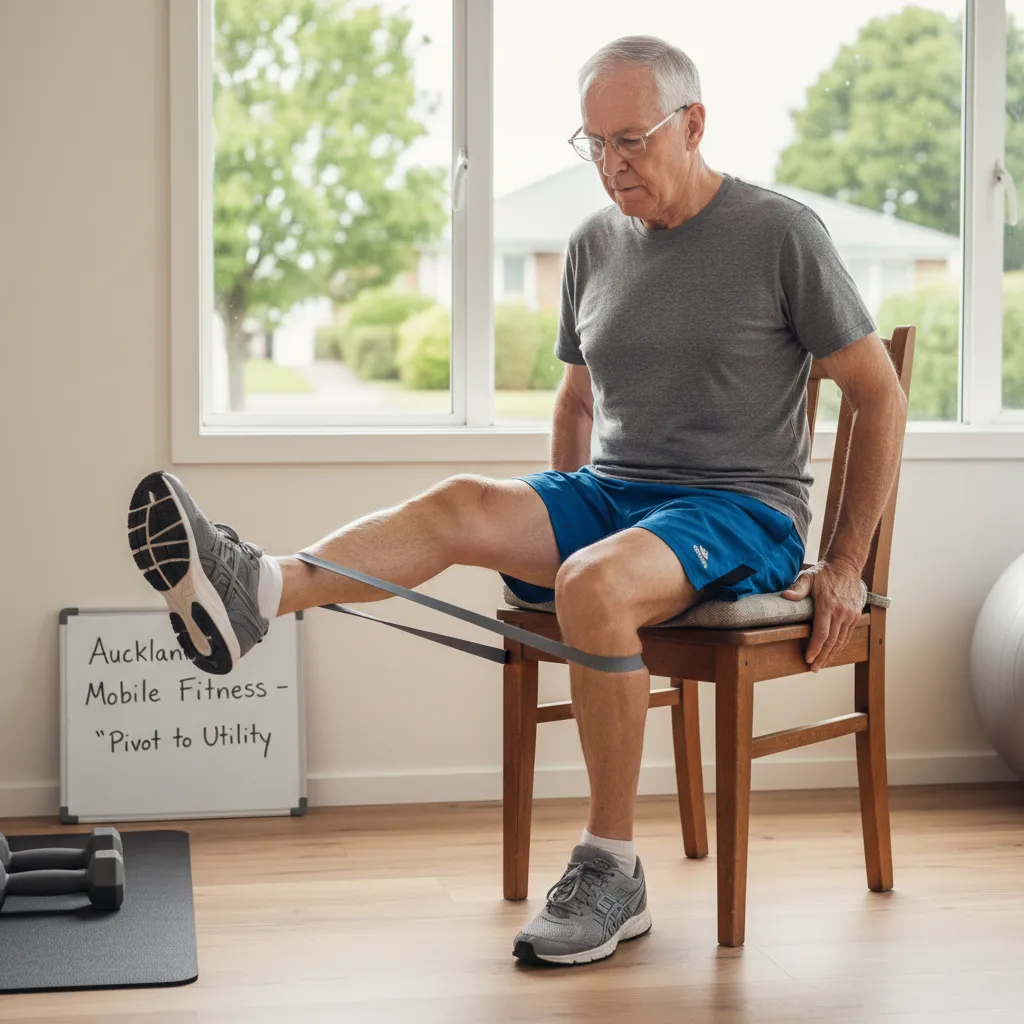
1. Seated Knee Extensions
- Postion: Sit comfortably with your back supported by the chair, feet flat on the floor.
- Extend leg: Slowly extend one leg straight out in front of you, lifting your foot off the floor. Feel the engagement in your thigh muscle.
- Hold and lower: Hold for a count of 2-3 seconds, then slowly lower your foot back to the floor.
- Alternate: Repeat 10-15 times on each leg, alternating or completing one leg before switching.
2. Seated Marching
- Starting position: Sit tall with feet flat on the floor, hands gently resting on your lap or the chair arms.
- Lift knee: Lift one knee towards your chest as high as comfortable, keeping your back straight.
- Lower and switch: Slowly lower your foot back down and immediately lift the other knee.
- Rhythm: Continue alternating legs in a marching motion for 30-60 seconds, maintaining a steady, controlled pace.
Core Strength While Seated
A strong core supports your spine, improves posture, and enhances overall balance, making everyday movements easier and safer. These exercises target your abdominal and back muscles from a seated position.
Stat Callout: Core strength is directly linked to fall prevention in seniors, with studies showing a significant reduction in fall risk for those who regularly engage in core-strengthening activities. (Physical Therapy Journal)
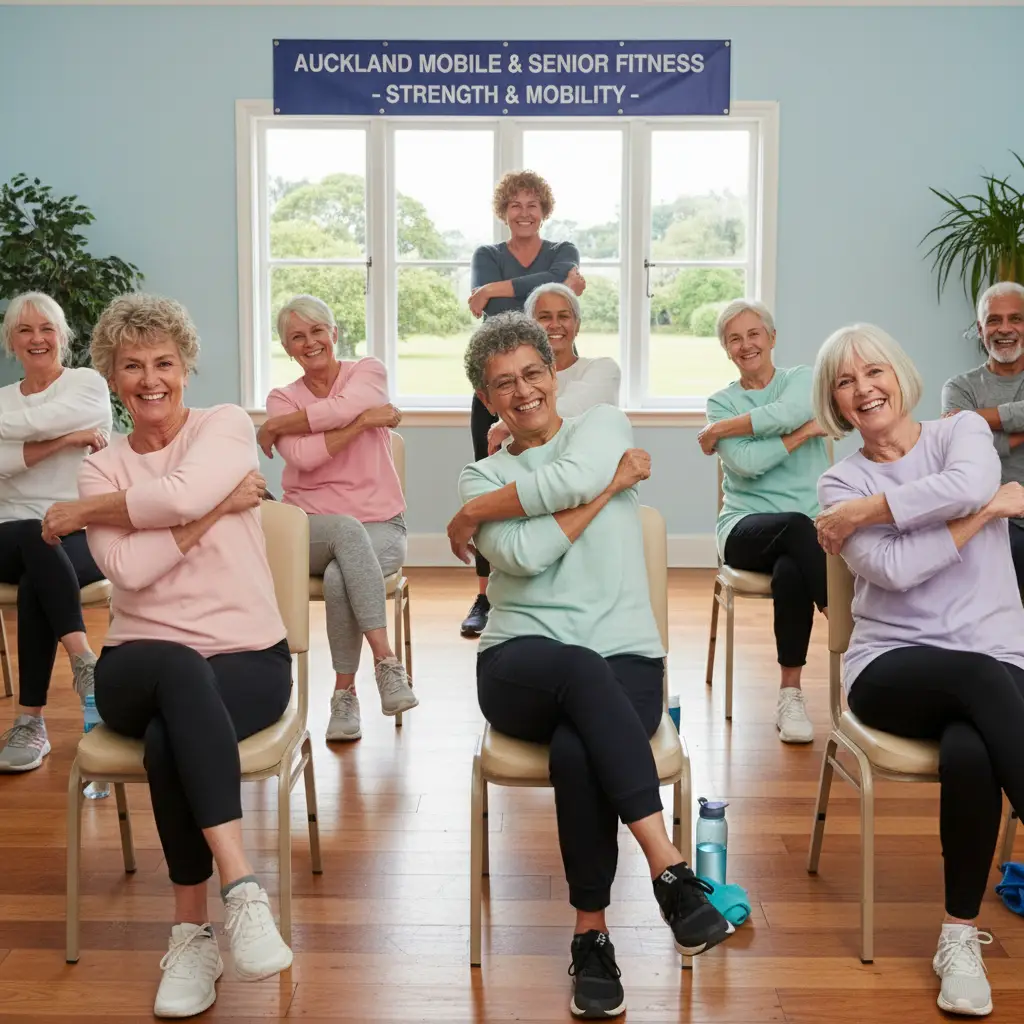
1. Seated Torso Twists
- Setup: Sit upright in your chair, feet flat on the floor, hip-width apart. Place your hands gently on your thighs or clasp them in front of your chest.
- Twist: Slowly twist your torso to one side, leading with your rib cage and keeping your hips facing forward. Use your core muscles, not just your arms.
- Return: Gently return to the center and then twist to the other side.
- Repetitions: Perform 10-12 twists on each side, maintaining a smooth, controlled motion.
2. Abdominal Bracing
- Preparation: Sit tall and straight. Place one hand on your abdomen to feel the muscles engage.
- Engage core: Take a deep breath, and as you exhale, gently pull your belly button towards your spine without holding your breath or moving your back. Imagine tightening a corset around your waist.
- Hold: Hold this contraction for 5-10 seconds, breathing normally.
- Release: Relax your abdominal muscles. Repeat 8-10 times. This is a foundational core strength exercise for seniors.
Gentle Standing Exercises with Chair Support
Once you’ve built confidence with seated movements, incorporating gentle standing exercises with chair support can further enhance your balance and leg strength. Always ensure your chair is stable and non-slip.
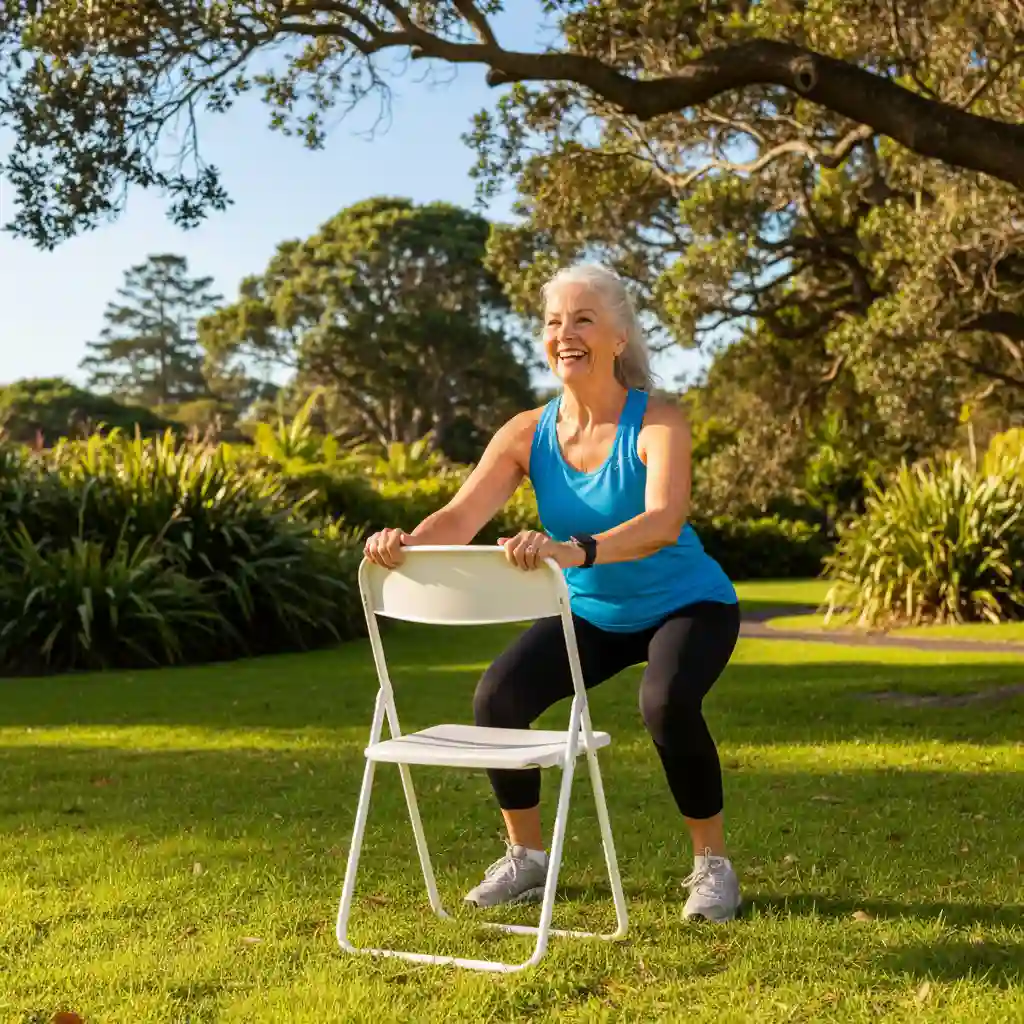
1. Chair-Assisted Mini Squats
- Setup: Stand directly in front of a sturdy chair, facing away from it, with your feet hip-width apart. Hold onto the back of the chair for support.
- Lower: Slowly bend your knees, pushing your hips back as if you’re about to sit down. Only go as low as comfortable, not necessarily touching the chair.
- Rise: Push through your heels to return to a standing position, keeping your back straight.
- Repetitions: Aim for 8-12 repetitions, focusing on controlled movement.
2. Heel Raises with Chair Support
- Starting position: Stand behind your chair, holding onto the back for balance. Your feet should be hip-width apart.
- Lift heels: Slowly lift both heels off the floor, rising onto the balls of your feet. Engage your calf muscles.
- Hold and lower: Hold at the top for a moment, then slowly lower your heels back down.
- Pace: Perform 10-15 repetitions, focusing on a steady, deliberate pace. This helps strengthen ankles, crucial for stability.
Embracing these low-impact workouts and chair exercises for seniors NZ can dramatically enhance your quality of life. Remember to listen to your body, start slowly, and consult with your healthcare provider before beginning any new exercise regimen. Prioritise consistency over intensity, and celebrate every small step towards a more active, healthier you!
Frequently Asked Questions about Chair Exercises
How often should seniors do chair exercises?
For optimal benefits, we recommend engaging in chair exercises and low-impact workouts 3-5 times a week. Even short, consistent sessions (10-15 minutes) can make a significant difference in strength, flexibility, and overall well-being for seniors in NZ.
Are chair exercises effective for improving balance?
Absolutely. Many chair exercises, especially those targeting core strength and leg muscles, directly contribute to improved balance and stability. Incorporating gentle standing exercises with chair support further enhances proprioception and reduces fall risk.
What kind of chair is best for senior exercises?
A sturdy, armless chair without wheels is ideal. Dining chairs or kitchen chairs often work well. Ensure it’s stable on the floor and doesn’t slide. The height should allow your feet to be flat on the ground with knees bent at a 90-degree angle.
Can I do chair exercises if I have joint pain?
Chair exercises are generally very joint-friendly and low-impact, making them excellent for individuals with joint pain or conditions like arthritis. However, always listen to your body. If an exercise causes pain, stop immediately. Consulting with a physiotherapist or doctor is recommended before starting, especially with pre-existing conditions.
Do I need special equipment for chair exercises?
No, most chair exercises require minimal to no equipment beyond a sturdy chair. You can use light hand weights (like water bottles or cans) for added resistance, or resistance bands, but they are not essential to start.
References & Further Reading
- Journal of Gerontology: Medical Sciences. (2019). “The Benefits of Strength Training in Older Adults.”
- Physical Therapy Journal. (2018). “Core Stability Exercises for Fall Prevention in the Elderly: A Systematic Review.”
- Ministry of Health NZ. (2022). “Physical Activity Guidelines for Older People.”
- Mayo Clinic. (2021). “Exercise for Seniors: Benefits of Staying Active.”
- Age Concern New Zealand. (Accessed 2023). “Staying Active in Later Life.”