
Embarking on a fitness journey, whether it’s to boost your overall health, regain mobility, or prepare for a specific goal, is an empowering step. But in a vibrant city like Auckland, finding the right personal trainer can feel overwhelming, especially with the rise of flexible, hybrid, and specialised training models. You’re not just looking for someone to count reps; you’re seeking a partner who understands your unique needs, whether that’s the convenience of mobile training, the flexibility of online coaching, or the specific requirements of senior fitness.
This comprehensive guide is designed to cut through the noise, showing you precisely how to choose a personal trainer in Auckland who aligns with your goals, schedule, and personal preferences, with a special focus on the benefits of a hybrid approach and expertise in senior fitness. Let’s find your perfect fit.
Table of Contents
- What to Look for in an Auckland Personal Trainer (Online & Mobile)
- Crucial Questions to Ask Potential Personal Trainers
- Understanding Certification and Experience
- The Power of a Hybrid Training Approach
- Finding a Personal Trainer Specialising in Senior Fitness in Auckland
- Frequently Asked Questions (FAQ)
- References & Sources
What to Look for in an Auckland Personal Trainer (Online & Mobile)
The modern personal training landscape is more diverse than ever. Beyond traditional gym-based sessions, many top Auckland personal trainers now offer highly flexible online and mobile options. When you’re assessing potential coaches, consider these key aspects:
1. Consider Their Specialisation and Niche
Does the trainer focus on strength, weight loss, rehabilitation, or a specific demographic like seniors? A specialist will have deeper knowledge and more tailored strategies for your goals than a generalist. For example, if you’re looking for senior fitness in Auckland, ensure they have experience and specific qualifications in that area.
2. Evaluate Their Online Presence and Platform
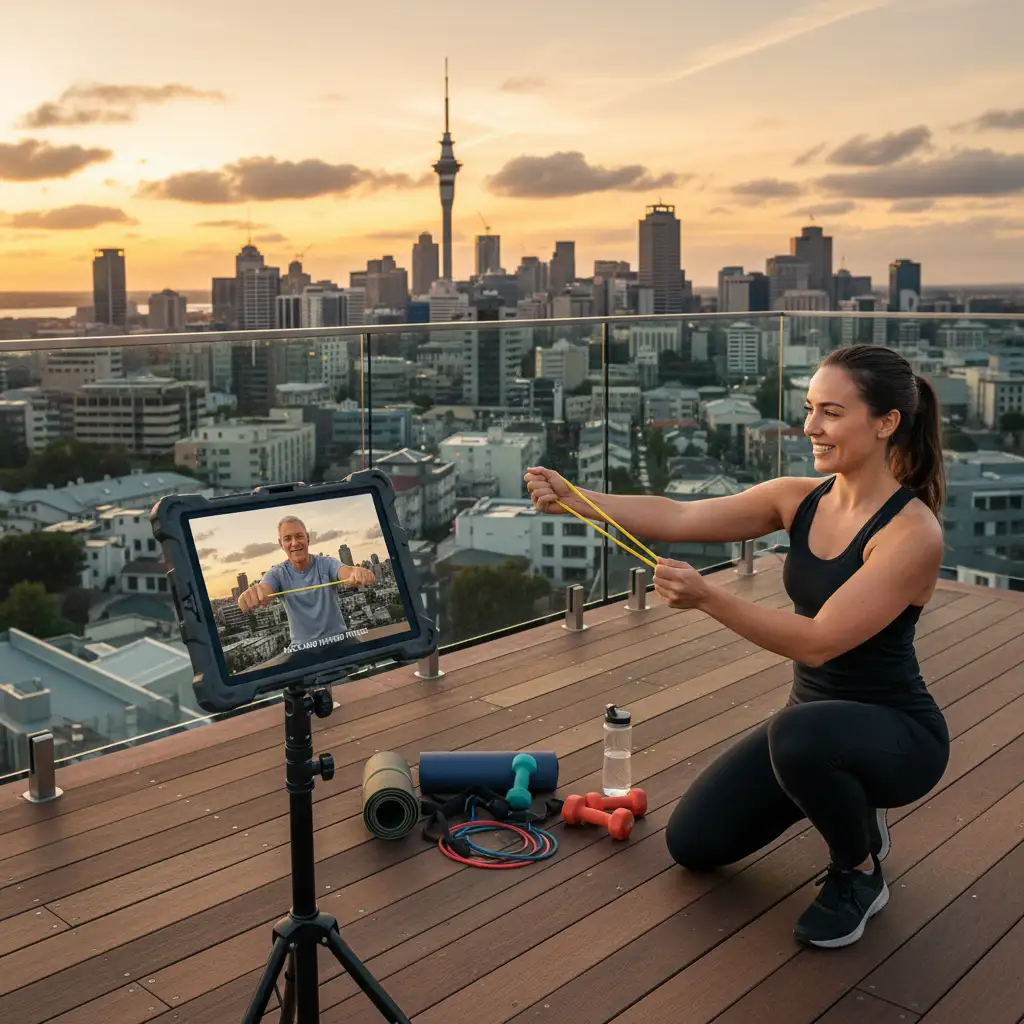
For online or hybrid models, check their professionalism. Do they use a dedicated app for programming, communication, and tracking? Is their video call setup reliable? A strong online infrastructure indicates a trainer committed to delivering a seamless virtual experience.
3. Assess Their Mobile Training Logistics
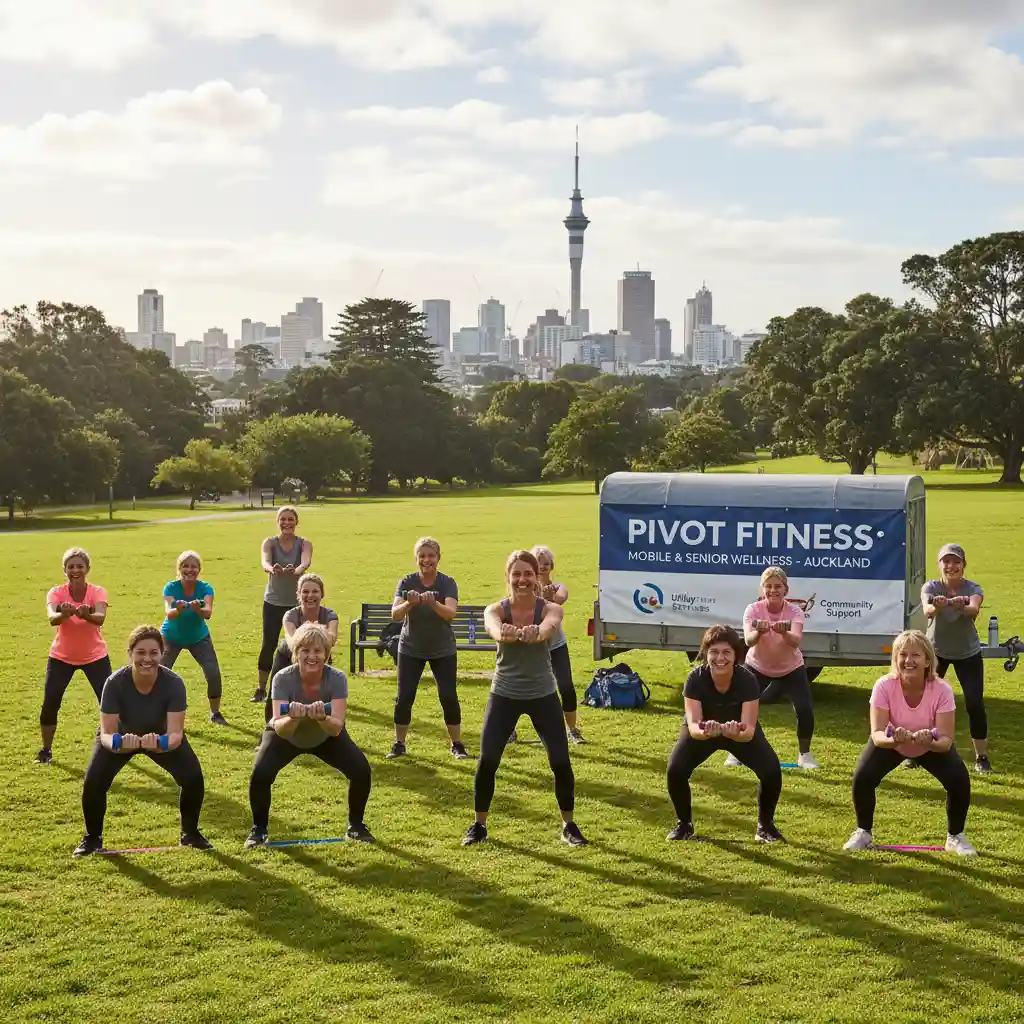
If you’re opting for mobile personal training in Auckland, inquire about their travel radius, equipment they bring, and preferred training locations (e.g., parks, home gyms). A good mobile trainer will make the logistics effortless for you.
4. Look for a Holistic Approach
Great trainers look beyond just exercise. Do they consider nutrition, sleep, stress management, and lifestyle factors? A holistic approach leads to more sustainable and comprehensive results.
Action Checklist: What to Prioritize in Your Auckland PT Search:
- Specialisation Match: Does their expertise directly align with your goals (e.g., senior fitness, mobility, strength)?
- Communication Style: Do they communicate clearly, motivatingly, and in a way that resonates with you?
- Logistical Fit: Do their availability, location (for mobile), and online platform suit your lifestyle?
- Evidence-Based Practice: Do they base their methods on scientific principles, not just fads?
Crucial Questions to Ask Potential Personal Trainers
Don’t be shy about interviewing potential trainers. This is your health and investment, so gather as much information as possible to make an informed decision on how to choose a personal trainer in Auckland that’s right for you.
1. What is your training philosophy and approach?
Listen for clarity and alignment with your values. Do they focus on long-term health, sustainable habits, or quick fixes? A good philosophy prioritizes safety, progression, and client empowerment.
2. Can you provide client testimonials or references?
Hearing from past or current clients offers invaluable insight into a trainer’s effectiveness, reliability, and personality. Look for testimonials that speak to success similar to your own goals.
3. How do you handle program adjustments and progress tracking?
Fitness is not linear. A great trainer will have a system for tracking your progress (e.g., strength gains, body composition, mobility improvements) and be able to adapt your program as needed. This is especially vital for senior fitness where adaptations are frequent.
4. What are your rates, packages, and cancellation policy?
Transparency in pricing and clear policies are essential. Understand the cost per session, package deals, and what happens if you need to reschedule or cancel. For mobile training, ask if travel fees apply.
Consider These When Interviewing Trainers:
- What are your relevant certifications and ongoing education?
- How do you motivate clients who struggle with consistency?
- What does a typical training session look like with you (online and in-person)?
- How do you integrate nutrition or lifestyle coaching into your programs?
Understanding Certification and Experience
When you’re trying to figure out how to choose a personal trainer in Auckland, certifications serve as a foundational benchmark for competence and professionalism. While experience is invaluable, reputable certifications ensure a trainer has met industry standards in anatomy, physiology, exercise science, and program design.
Look for certifications from globally recognised bodies. In New Zealand, REPs (Register of Exercise Professionals) registration is a strong indicator of a qualified and insured professional. Other esteemed international certifications include:
- ACE (American Council on Exercise): Known for its comprehensive health coaching and personal training certifications.
- NASM (National Academy of Sports Medicine): Emphasises corrective exercise and optimal performance training.
- ACSM (American College of Sports Medicine): Focuses on scientific and evidence-based practice.
- ISSA (International Sports Sciences Association): Offers a wide range of specialisations.
Experience, on the other hand, brings nuance. A trainer with years under their belt has likely encountered a wider variety of client needs, challenges, and success stories. They often possess refined coaching skills, better problem-solving abilities, and a deeper understanding of human behaviour. The ideal scenario is a trainer with both robust certification and practical, relevant experience.
The Power of a Hybrid Training Approach
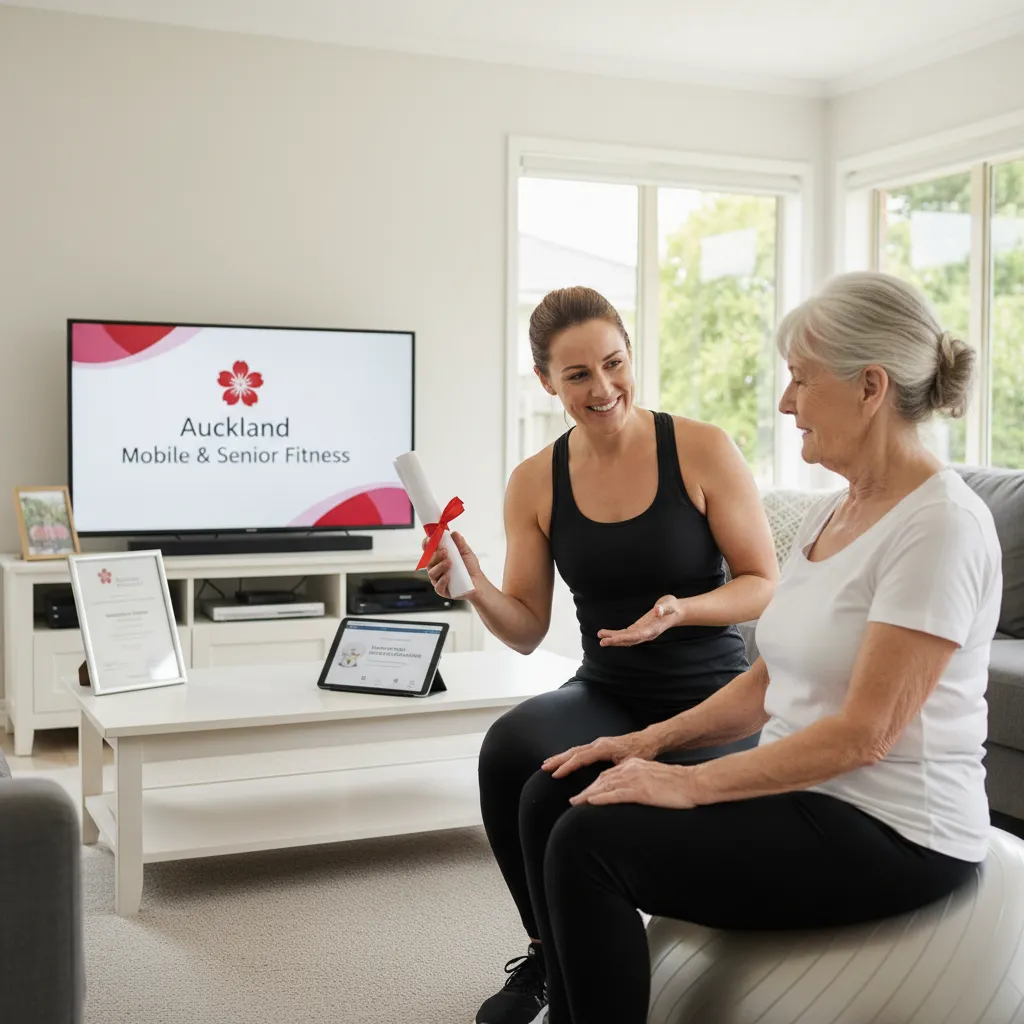
A hybrid personal training model combines the best aspects of in-person, mobile, and online coaching. For many Aucklanders, especially those with busy schedules or specific needs, this offers unparalleled flexibility and effectiveness.
Imagine having a weekly in-person session at your home or local park, complemented by online check-ins, custom workout plans delivered via an app, and virtual support for form correction or motivation. This model ensures consistent progress and adaptability.
- Unmatched Flexibility: Train on your schedule, wherever you are. Perfect for professionals, parents, or those who travel.
- Enhanced Accountability: Regular check-ins, whether virtual or in-person, keep you on track and motivated.
- Cost-Effectiveness: Often more affordable than purely in-person packages, while still offering expert guidance.
- Personalised Programming: Your plan is tailored to you, adaptable to your changing environment and progress.
- Broader Access: Connect with top Auckland personal trainers who might not be solely tied to a single gym location.
“The hybrid model is revolutionising how Aucklanders achieve their fitness goals. It’s about empowering clients with structure and support, without sacrificing the demands of modern life.” – Local Fitness Expert

Finding a Personal Trainer Specialising in Senior Fitness in Auckland
For older adults, the right personal trainer can be transformative, improving mobility, strength, balance, and overall quality of life. When you’re looking for a personal trainer in Auckland who specialises in senior fitness, specific considerations apply:
- Specialised Qualifications: Look for certifications in ‘Older Adult Fitness’, ‘Active Ageing’, or similar. These indicate a trainer understands age-related physiological changes and common health conditions.
- Emphasis on Functional Movement: Training should focus on movements that enhance daily living activities, such as getting up from a chair, lifting groceries, or maintaining balance.
- Patient and Empathetic Approach: Seniors often benefit from trainers who are highly patient, excellent listeners, and can adapt exercises on the fly based on comfort and ability levels.
- Safety First: The trainer must prioritise injury prevention, understand contraindications for various exercises, and be adept at modifying workouts for conditions like arthritis, osteoporosis, or cardiovascular issues.
- Experience with Cognitive Engagement: Some trainers incorporate exercises that challenge both body and mind, which can be beneficial for cognitive health.
- Home-Based or Mobile Training: For many seniors, having a personal trainer come to their Auckland home or a nearby park eliminates transport barriers and provides a comfortable, familiar environment.
Don’t hesitate to ask trainers about their specific experience and success stories with senior clients. A dedicated professional will be eager to share how they’ve helped others like you achieve their fitness goals safely and effectively.
Ready to Find Your Ideal Auckland PT?
Choosing the right personal trainer is a pivotal decision for your fitness journey. By asking the right questions, understanding certifications, and exploring the benefits of hybrid and specialised approaches, especially for senior fitness, you’re well on your way to finding a true partner in health. Take your time, do your research, and invest in a trainer who can empower you to achieve sustainable results and a healthier, more active life right here in Auckland.
Frequently Asked Questions (FAQ)
What is the average cost of a personal trainer in Auckland?
The cost of a personal trainer in Auckland varies widely based on experience, qualifications, package type (e.g., individual, small group, hybrid), and whether they offer mobile or online services. Typically, you can expect to pay anywhere from NZD $70 to $150 per session. Packages often provide a better per-session rate.
How often should I train with a personal trainer?
For optimal results, especially when starting out, 2-3 sessions per week are often recommended. This provides consistent guidance and accountability. However, a hybrid model might involve 1 in-person session per week combined with 2-3 independent workouts guided by your trainer’s online program, offering a balance of support and flexibility.
Are online personal trainers as effective as in-person trainers?
Online personal training can be incredibly effective, especially for clients who are self-motivated, have some exercise experience, or prefer flexibility. For beginners or those with specific needs (like senior fitness or injury recovery), a hybrid model that combines online programming with occasional in-person or mobile sessions often provides the best of both worlds, ensuring proper form and personalised attention.
What should I do if I don’t get along with my personal trainer?
It’s crucial to have a good rapport with your personal trainer. If you find the fit isn’t right, first try communicating your concerns to them. A professional trainer will be open to feedback and adjustments. If issues persist, it’s perfectly acceptable to seek a different trainer who better matches your personality and training style. Most reputable trainers offer an initial consultation or trial session to help assess compatibility.
Can personal trainers help with nutrition?
Yes, many personal trainers offer nutrition guidance as part of a holistic approach to fitness. However, their scope is typically limited to general healthy eating advice and habit coaching. For detailed meal plans or clinical dietary advice, they should refer you to a registered dietitian or nutritionist, especially if you have specific medical conditions.
References & Sources
- REPs New Zealand – Register of Exercise Professionals. www.reps.org.nz
- American Council on Exercise (ACE) – Personal Trainer Certification. www.acefitness.org
- National Academy of Sports Medicine (NASM) – Certified Personal Trainer. www.nasm.org
- ACSM’s Guidelines for Exercise Testing and Prescription (11th Edition). Wolters Kluwer.
- Journal of Strength and Conditioning Research – Studies on the efficacy of personal training.
- International Journal of Exercise Science – Research on senior fitness and functional training.