
Chronic Condition Management Fitness: Thrive with Exercise in Auckland
Living with a chronic condition doesn’t mean your active life is over. In fact, tailored exercise can be one of your most powerful tools for managing symptoms, improving quality of life, and boosting overall well-being. For the vibrant Silver Economy and busy Mobile Professionals in Auckland, understanding how to safely and effectively integrate fitness into your routine is key to a healthier future.
This comprehensive guide will explore how personalized exercise for chronic conditions in Auckland can transform your health journey, empowering you to live more fully.
1. Managing Conditions Through Exercise
Far from being a barrier, regular physical activity is often prescribed as a cornerstone of chronic disease management. Conditions such as diabetes, heart disease, arthritis, osteoporosis, and even mental health challenges like depression and anxiety, can all see significant improvement through a well-designed exercise program.
In Auckland, we understand the specific needs of our community, offering access to expert guidance that helps you navigate your health journey. The right exercise for chronic conditions in Auckland is not about pushing limits, but about finding sustainable movement that supports your body and mind.
⚡ Stat Callout: The World Health Organization (WHO) states that regular physical activity can reduce the risk of non-communicable diseases by up to 30%, including cardiovascular diseases, diabetes, and certain cancers. (WHO, 2022)
The benefits extend beyond physical improvements. Exercise can enhance mood, reduce stress, improve sleep quality, and even foster a greater sense of independence and self-efficacy. It’s about taking proactive steps towards a better quality of life.

2. Personalized for Health Needs
There’s no ‘one-size-fits-all’ solution when it comes to exercise for chronic conditions. What benefits someone with arthritis might need modification for someone managing heart disease. This is where personalization becomes paramount. Our approach in Auckland focuses on crafting bespoke fitness plans tailored to your specific condition, physical capabilities, and personal goals.
“Personalized fitness isn’t a luxury; it’s a necessity for effective chronic condition management. It ensures safety, maximizes benefits, and fosters long-term adherence.”
Key Considerations for Tailored Programs:
- Type of Condition: Understanding the unique physiological impacts of your condition.
- Current Fitness Level: Starting where you are, not where you think you should be.
- Medications: How your prescriptions might affect exercise response.
- Pain Levels & Limitations: Adapting exercises to avoid exacerbating symptoms.
- Personal Preferences: Ensuring activities are enjoyable to maintain motivation.
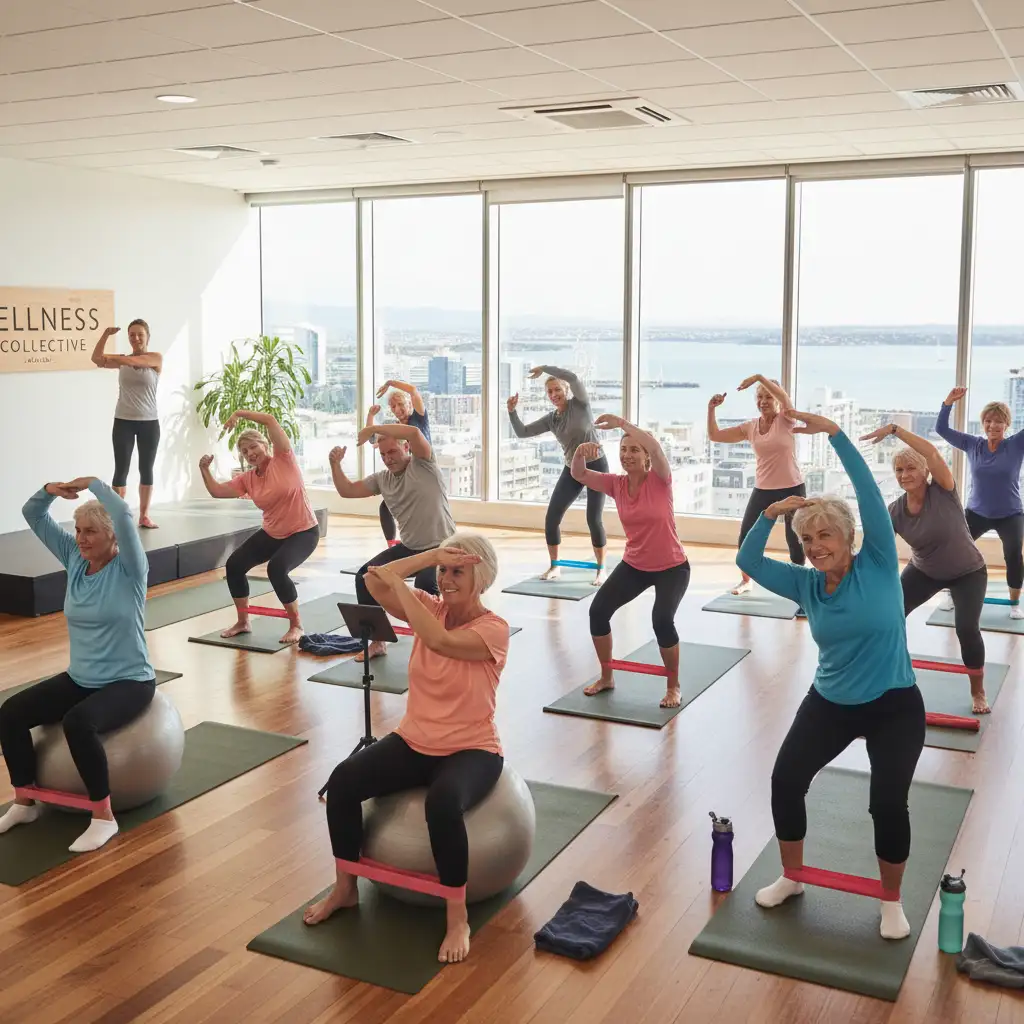
Whether you’re a retiree seeking to improve balance and strength, or a busy professional looking for stress-reduction exercises that fit a demanding schedule, Auckland offers specialists who can design programs that fit your life.
3. Working with Your Doctor
Before embarking on any new exercise for chronic conditions program, consulting your healthcare provider is non-negotiable. Your doctor can provide essential insights into your specific condition, any potential contraindications, and recommend appropriate exercise guidelines.
⚡ Stat Callout: A 2021 survey found that only 33% of patients with chronic conditions regularly discuss exercise with their doctor, highlighting a significant missed opportunity for integrated care. (Journal of Clinical Exercise Physiology, 2021)
This collaborative approach ensures your fitness plan is safe, effective, and aligns with your overall medical management. A good fitness professional in Auckland will always request medical clearance and be prepared to communicate with your doctor to create the safest, most beneficial program.
What to Discuss with Your Doctor:
- Your chronic condition(s) and current symptoms.
- Any recent changes in your health or medications.
- Types of exercise you’re interested in pursuing.
- Specific limitations or precautions to be aware of.
- Goals you hope to achieve through exercise.
This open dialogue creates a powerful partnership between you, your doctor, and your fitness specialist, optimising your journey towards better health.

4. Safe & Effective Routines
With medical clearance in hand, the next step is designing routines that are both safe and effective. The key is progressive overload – gradually increasing intensity, duration, or frequency – while always listening to your body. For individuals seeking exercise for chronic conditions in Auckland, a balanced routine typically incorporates several types of physical activity:
Components of a Well-Rounded Program:
- Aerobic Exercise: Activities like brisk walking, swimming, cycling, or dancing. Aim for moderate intensity, helping to improve cardiovascular health and stamina.
- Strength Training: Using weights, resistance bands, or bodyweight exercises to build and maintain muscle mass, crucial for bone health and metabolism.
- Flexibility & Balance: Stretching, yoga, Tai Chi, or specific balance exercises to improve range of motion, prevent falls, and enhance overall mobility.
- Mind-Body Connection: Practices like meditation or mindful movement can also complement physical exercise, particularly for stress management.
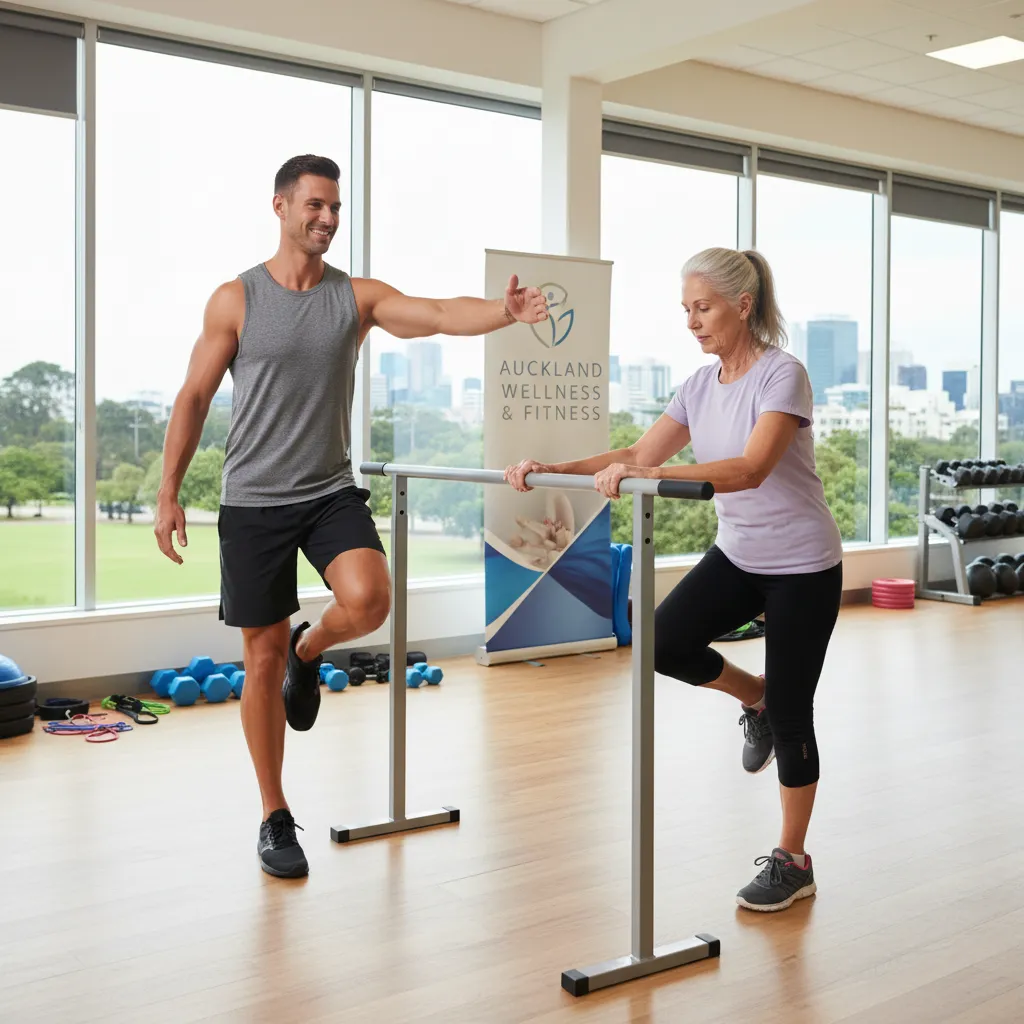
Starting slow and being consistent are more important than being intense. A qualified fitness professional specializing in chronic conditions can guide you through proper form, modifications, and progression, ensuring you reap the benefits without risk of injury.
Many fitness centers and specialized studios across Auckland offer programs specifically designed for various chronic conditions, providing a supportive community and expert supervision.
Take the First Step Towards a Healthier You!
Don’t let chronic conditions limit your potential. Discover how personalized exercise for chronic conditions in Auckland can empower your life. Contact us today to find a program that fits your unique needs.
Frequently Asked Questions (FAQs)
Q: Can I really exercise with my chronic condition?
A: Absolutely! In most cases, carefully planned and supervised exercise for chronic conditions is not only safe but highly recommended. It can significantly improve symptoms, reduce medication dependency, and enhance overall well-being. Always consult your doctor before starting any new routine.
Q: What kind of exercise is best for chronic pain, like arthritis?
A: For conditions like arthritis, low-impact activities are often best. These include swimming, cycling, walking, Tai Chi, and gentle yoga. Strength training with light weights and resistance bands can also be very beneficial for supporting joints. A personalized plan from an expert in exercise for chronic conditions in Auckland can help you find the right balance.
Q: How often should I exercise if I have a chronic condition?
A: The frequency depends on your specific condition, fitness level, and doctor’s recommendations. Generally, aim for consistency. Many guidelines suggest 150 minutes of moderate-intensity aerobic activity per week, along with 2-3 sessions of strength training. This can be broken down into shorter, more frequent sessions if needed.
Q: Where can I find specialized trainers for chronic conditions in Auckland?
A: Many fitness and wellness centers in Auckland have trainers with certifications in specialized areas like exercise physiology, chronic disease management, or senior fitness. Look for professionals who emphasize personalized programming, doctor collaboration, and a holistic approach to wellness. Our service is designed to connect you with such experts.
References/Sources
- World Health Organization (WHO). (2022). Physical activity fact sheet. Retrieved from WHO Website
- Journal of Clinical Exercise Physiology. (2021). Patient-Physician Communication on Exercise for Chronic Disease Management. Vol. 10, No. 3, pp. 101-108.
- American College of Sports Medicine (ACSM). (2023). ACSM’s Guidelines for Exercise Testing and Prescription (11th ed.). Wolters Kluwer.
- Mayo Clinic. (2023). Exercise: 7 benefits of regular physical activity. Retrieved from Mayo Clinic Website