
Reclaim Your Strength: Why a Fitness Trainer for Injury Recovery is Your Best Bet in Auckland
Navigating the path back to full function after an injury can feel daunting, whether you’re enjoying your golden years in Auckland or juggling the demands of a mobile professional career. The fear of re-injury, the uncertainty of what exercises are safe, and the desire to regain your active lifestyle are common concerns. This is where a specialized fitness trainer for injury recovery becomes an invaluable ally, offering expert guidance tailored to your unique needs.
Forget generic gym routines. True recovery requires a thoughtful, progressive approach. This article will explore how a dedicated fitness trainer can safely and effectively guide you through post-injury rehabilitation, helping you not just recover, but emerge stronger than before, ready to embrace life in Auckland without limits.
Table of Contents
- What is a Fitness Trainer for Injury Recovery?
- Key Benefits of Working with a Specialized Fitness Trainer
- The Journey to Recovery: Your Step-by-Step Path with a Trainer
- Choosing the Right Fitness Trainer for Injury Recovery in Auckland
- Conclusion: Invest in Your Resilient Future
- Frequently Asked Questions (FAQ)
- References & Sources
What is a Fitness Trainer for Injury Recovery?
A fitness trainer for injury recovery is a specialized professional who bridges the gap between clinical rehabilitation and full fitness. While a physiotherapist focuses on the initial diagnosis, acute healing, and restoring basic function, a specialized fitness trainer takes over to progressively strengthen the injured area, improve overall body mechanics, and prevent future recurrence. They work hand-in-hand with your medical team to ensure a safe and effective transition back to your desired activities.
“A skilled fitness trainer doesn’t just treat the injury; they re-educate the entire body to support sustained health and peak performance, critical for both active seniors and busy professionals.”
For Auckland’s silver economy, this means a focus on maintaining mobility, balance, and joint health after common injuries like knee or hip replacements, shoulder impingements, or falls. For mobile professionals, it often involves addressing chronic issues from prolonged sitting or travel, such as lower back pain, neck stiffness, or wrist strains, transforming sedentary patterns into active recovery strategies.

Key Benefits of Working with a Specialized Fitness Trainer
The decision to partner with a fitness trainer for injury recovery offers a multitude of advantages that generic exercise plans simply can’t match. Here’s why it’s a game-changer:
- Personalized & Progressive Programs: Every injury and every body is unique. A trainer crafts a program specifically for your injury, recovery stage, and fitness goals, ensuring exercises are appropriate and progressively challenging.
- Safe & Effective Movement: They teach correct form, monitor your technique, and adapt exercises to prevent re-injury, crucial for rebuilding confidence and strength.
- Motivation & Accountability: Sticking to a recovery plan can be tough. A trainer provides the encouragement and structure needed to stay consistent and push past plateaus.
- Holistic Body Strengthening: Beyond the injured area, they focus on improving overall strength, flexibility, balance, and posture, integrating your recovery into your broader health strategy. This is especially vital for the silver economy to prevent future falls and for mobile professionals to combat sedentary lifestyle effects.
- Long-Term Injury Prevention: By identifying underlying weaknesses or imbalances that may have contributed to the original injury, they equip you with strategies and exercises to prevent future issues.
- Seamless Transition to Full Fitness: They bridge the gap from rehabilitation exercises to regular physical activity, preparing you for everything from hiking Auckland’s beautiful trails to managing long-haul flights with ease.
The Journey to Recovery: Your Step-by-Step Path with a Trainer
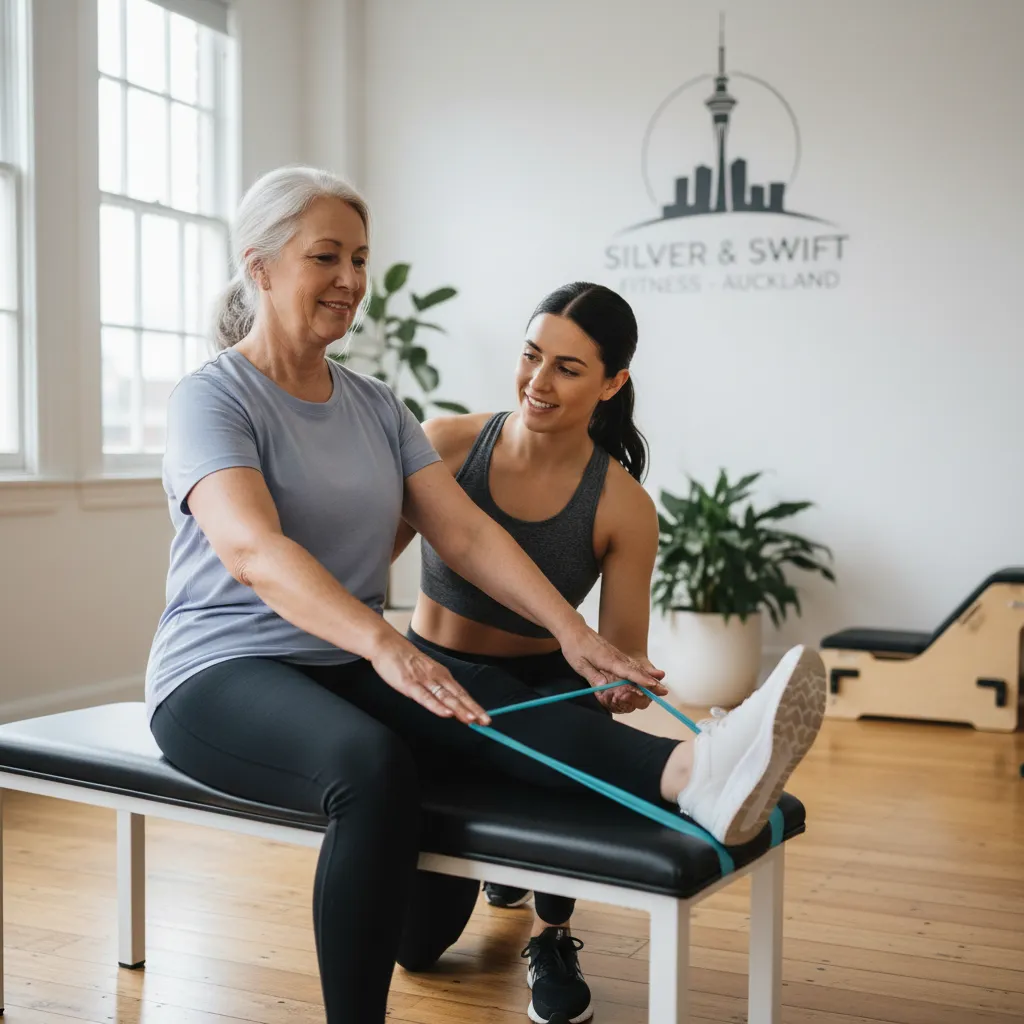
Embarking on recovery with a dedicated fitness trainer for injury recovery follows a structured, supportive process designed for optimal outcomes.
-
Initial Assessment & Goal Setting
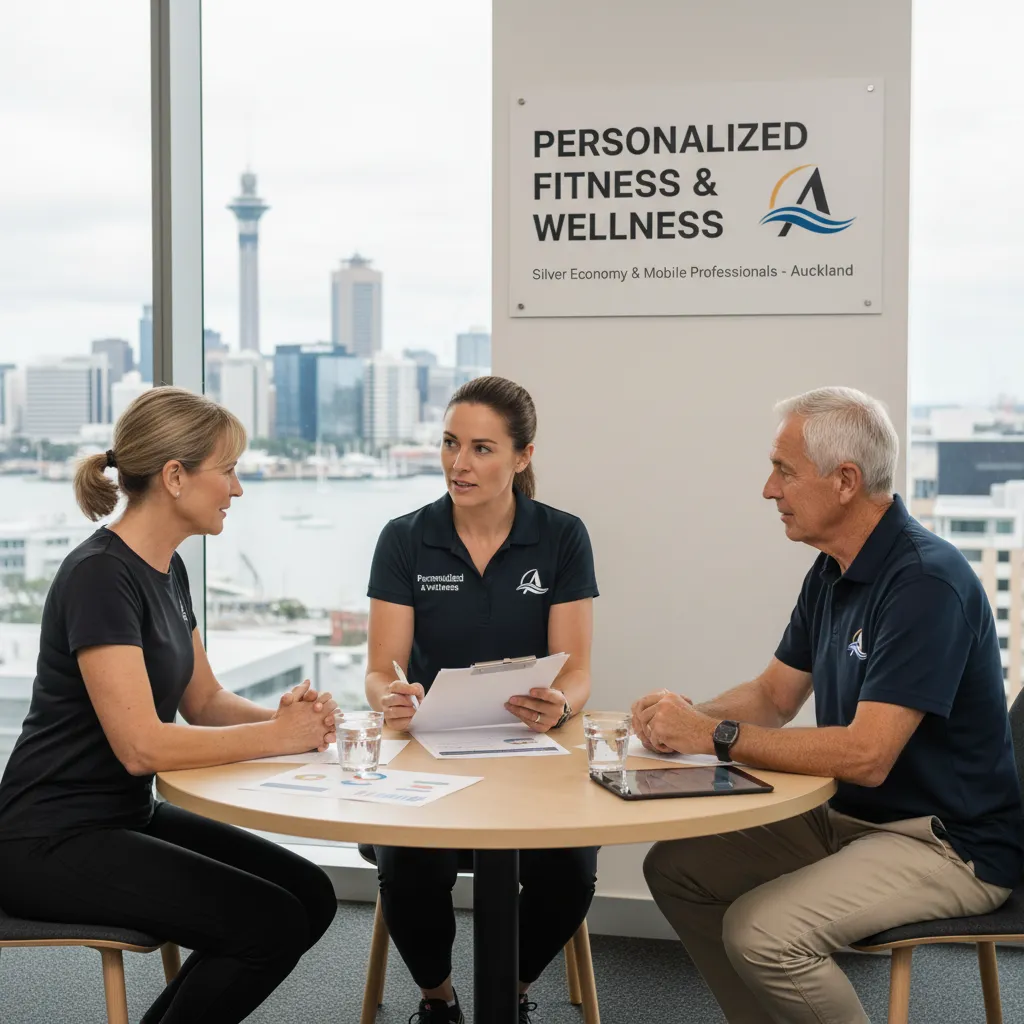
Your journey begins with a comprehensive assessment. Your trainer will review your medical history, injury specifics, and current physical capabilities. They’ll discuss your lifestyle, daily demands (especially for mobile professionals), and personal goals – whether it’s returning to gardening, playing with grandchildren, or enduring long work trips without pain. This forms the foundation of your recovery strategy.
-
Personalized Program Design
Based on the assessment, your trainer will craft a bespoke exercise program. This program will prioritize pain-free movement, address muscle imbalances, improve range of motion, and gradually build strength and endurance. Exercises are selected to be safe and effective, always respecting your body’s current limitations and potential for growth.

-
Guided Training & Progression
During your training sessions, your fitness trainer for injury recovery will meticulously guide you through each exercise, ensuring perfect form and technique. They’ll teach you how to listen to your body, differentiate between muscle fatigue and pain, and adapt movements as needed. As you grow stronger, the program will progressively increase in intensity and complexity, safely challenging you towards recovery.
-
Ongoing Monitoring & Adjustment
Recovery is not linear. Your trainer will continuously monitor your progress, listen to your feedback, and make necessary adjustments to your program. This adaptability ensures your plan remains effective and safe, optimizing your recovery timeline and preventing setbacks. This dynamic approach is key to successful rehabilitation.
-
Long-Term Wellness & Prevention
The ultimate goal is not just recovery, but sustained health. Your trainer will equip you with the knowledge and tools to maintain your fitness, continue injury prevention strategies, and integrate healthy movement into your daily life. This includes advice on stretching, nutrition, and ergonomic adjustments for mobile professionals, and activity recommendations for Auckland’s thriving silver community.
Choosing the Right Fitness Trainer for Injury Recovery in Auckland
When searching for a fitness trainer for injury recovery in Auckland, consider these crucial factors:
- Qualifications & Experience: Look for certifications in corrective exercise, post-rehabilitation, or medical exercise. Experience with similar injuries and demographics (silver economy, mobile professionals) is a huge plus.
- Collaboration with Medical Professionals: A good trainer will be happy to communicate with your physiotherapist or doctor to ensure a cohesive recovery plan.
- Personalized Approach: Ensure they offer individualized programs, not one-size-fits-all solutions.
- Empathy & Communication: A trainer who listens to your concerns, understands your limitations, and communicates clearly is vital for a positive experience.
Conclusion: Invest in Your Resilient Future
An injury doesn’t have to be the end of your active lifestyle. By partnering with a qualified fitness trainer for injury recovery in Auckland, you’re not just investing in rehabilitation; you’re investing in a stronger, more resilient future. Whether you’re a senior aiming to maintain independence or a professional striving to overcome work-related pains, expert guidance can transform your recovery journey. For long-term success, explore our Sustainable Fitness Results with a Personal Coach to embed these habits.
Don’t let fear or uncertainty hold you back. Take the proactive step to seek out a specialized trainer who can help you safely and effectively reclaim your strength, improve your wellness, and confidently return to the activities you love here in vibrant Auckland. Consider how tailored exercise sessions, perhaps outdoors at Cornwall Park Outdoor Training, can complement your indoor rehabilitation.
Frequently Asked Questions (FAQ)
Q: How is a fitness trainer for injury recovery different from a physiotherapist?
A: A physiotherapist typically focuses on the acute phase of an injury, diagnosis, pain management, and restoring basic function. A fitness trainer for injury recovery steps in after this initial phase, focusing on progressive strengthening, movement pattern correction, and building overall fitness to prevent re-injury and prepare you for a return to full activity. They often collaborate closely with your physiotherapist.
Q: Is this service suitable for older adults (silver economy) and mobile professionals?
A: Absolutely. Our trainers specialize in understanding the unique needs and challenges of both demographics. For the silver economy, this means a focus on joint health, balance, and maintaining independence. For mobile professionals, it involves addressing issues related to sedentary lifestyles, travel, and stress, with strategies to integrate fitness into busy schedules.
Q: What types of injuries can a fitness trainer help with?
A: A fitness trainer can assist with rehabilitation after a wide range of injuries, including musculoskeletal issues like back pain, knee injuries, shoulder impingements, post-surgical recovery (e.g., hip or knee replacement, provided you have medical clearance), and chronic pain conditions. They are focused on the fitness and strengthening aspect of recovery, not acute medical treatment.
Q: How long does injury recovery training take?
A: The duration varies greatly depending on the type and severity of the injury, your individual recovery pace, consistency with the program, and your ultimate fitness goals. Some individuals might see significant improvement in a few months, while others with more complex issues may require longer-term support. Your trainer will provide a realistic timeline during your initial assessment.
References & Sources
- American Council on Exercise (ACE). (2023). ACE Personal Trainer Manual: The Ultimate Resource for Fitness Professionals. San Diego, CA: ACE. (General principles of exercise science and program design)
- National Academy of Sports Medicine (NASM). (2022). NASM Essentials of Corrective Exercise Training. Burlington, MA: Jones & Bartlett Learning. (Specific techniques for corrective exercise and post-rehabilitation)
- Journal of Orthopaedic & Sports Physical Therapy. (Ongoing research on injury prevention and rehabilitation methodologies).
- World Health Organization (WHO). (2020). Guidelines on physical activity and sedentary behaviour. (Recommendations for active living and specific populations, including older adults).


