
Joint Mobility & Stability Training: Unlock a Stronger, More Agile You in Auckland
Are you an Auckland professional constantly on the go, or a valued member of the silver economy seeking to maintain an active, independent lifestyle? The secret to enduring vitality and robust movement lies in the health of your joints. This comprehensive guide will explore the critical link between joint mobility and stability, offering insights and practical advice for a resilient body, right here in Auckland.
1. Improving Range of Motion: The Freedom to Move
Mobility is your body’s ability to move through its full potential range of motion. It’s not just about how far you can stretch, but how effectively your joints and surrounding tissues allow you to perform daily activities without pain or restriction. Think about reaching for a top shelf, tying your shoelaces, or getting in and out of a car – these all rely on good joint mobility.
For mobile professionals in Auckland, prolonged sitting can lead to stiff hips, rounded shoulders, and tight hamstrings. Members of the silver economy often experience a natural decrease in joint fluidity. Addressing these issues with targeted mobility work can significantly enhance comfort and function.
Flexibility vs. Mobility: Understanding the Difference
- Flexibility refers to the length of your muscles, allowing them to stretch.
- Mobility is a broader term, encompassing flexibility but also including joint articulation, strength, and neurological control that allow a joint to move actively through its full range.
Focusing solely on passive stretching (flexibility) without active control (mobility) can sometimes lead to instability. The goal is to build strength and control throughout your entire range of motion.
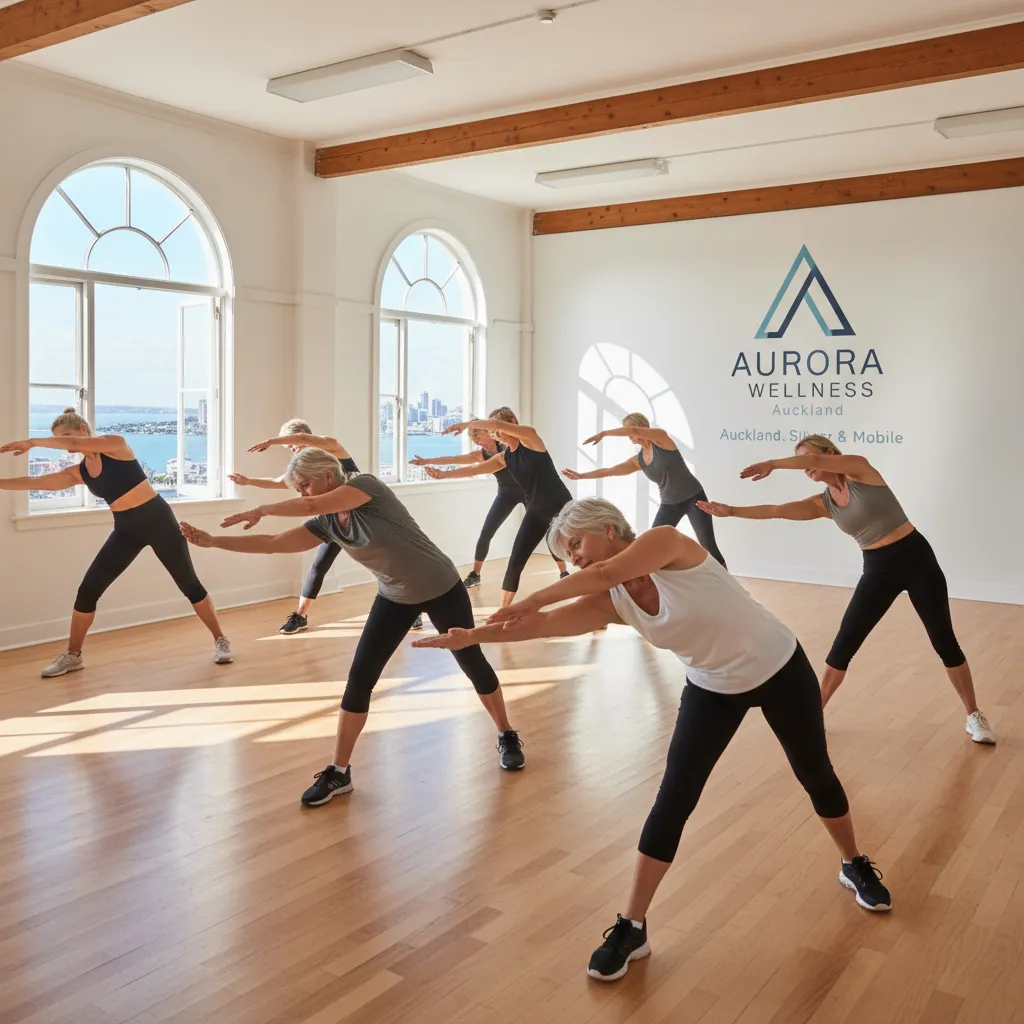
2. Protecting Your Joints: Building a Resilient Foundation
While mobility gives you range, joint stability provides the crucial control to prevent injury within that range. It’s the ability of your muscles, ligaments, and tendons to keep a joint centered and supported as it moves. Without adequate stability, mobile joints are vulnerable to strains, sprains, and chronic pain.
“A strong, stable joint is a well-protected joint. This is especially vital for preventing wear-and-tear and maintaining an active lifestyle as we age or navigate demanding schedules.” – Expert Physiotherapist Insight
The Role of Strength and Posture
Strong muscles surrounding a joint act like natural shock absorbers and guides. For example, strong glutes stabilize the hips and knees, while a robust core protects the spine. Poor posture, often a side effect of prolonged sitting for mobile professionals, can put undue stress on certain joints, compromising their stability over time.
Stat Callout: The Impact of Instability
Did you know? Musculoskeletal conditions, often exacerbated by joint instability, are a leading cause of chronic pain and disability globally. Studies indicate that incorporating regular stability exercises can reduce the risk of common injuries like ankle sprains and knee issues by up to 50% in active populations. For the silver economy, maintaining stability is key to preventing falls and preserving independence.

3. Pre-Hab Programs: Proactive Health for Lasting Wellness
Pre-habilitation, or ‘pre-hab,’ is a proactive approach to fitness that focuses on strengthening and preparing your body to prevent potential injuries before they occur. Unlike rehabilitation, which addresses existing injuries, pre-hab aims to identify and correct imbalances, weaknesses, or movement dysfunctions that could lead to problems down the line.
For both the silver economy and mobile professionals in Auckland, a personalized pre-hab program can be a game-changer. It helps seniors maintain joint health and functional independence, while helping professionals counteract the physical stressors of their work, whether it’s long hours at a desk or frequent travel.
Benefits of a Personalized Pre-Hab Program
- Injury Prevention: Addresses weaknesses before they become a problem.
- Enhanced Performance: Improves movement efficiency for daily tasks and recreational activities.
- Pain Reduction: Corrects underlying issues that contribute to chronic aches.
- Increased Body Awareness: Teaches you how to move optimally and listen to your body.
- Improved Quality of Life: Supports sustained independence and activity levels.
Many Auckland fitness and wellness centres offer assessments to tailor pre-hab programs specifically for your needs, incorporating exercises that target your unique joint stability and mobility requirements.
4. Targeted Drills: Enhancing Joint Stability in Auckland
Incorporating specific joint stability exercises into your routine is fundamental. These drills focus on strengthening the smaller, often overlooked muscles that directly support your joints, improving balance, and refining neuromuscular control. Below are a few foundational exercises that are excellent for enhancing joint stability.
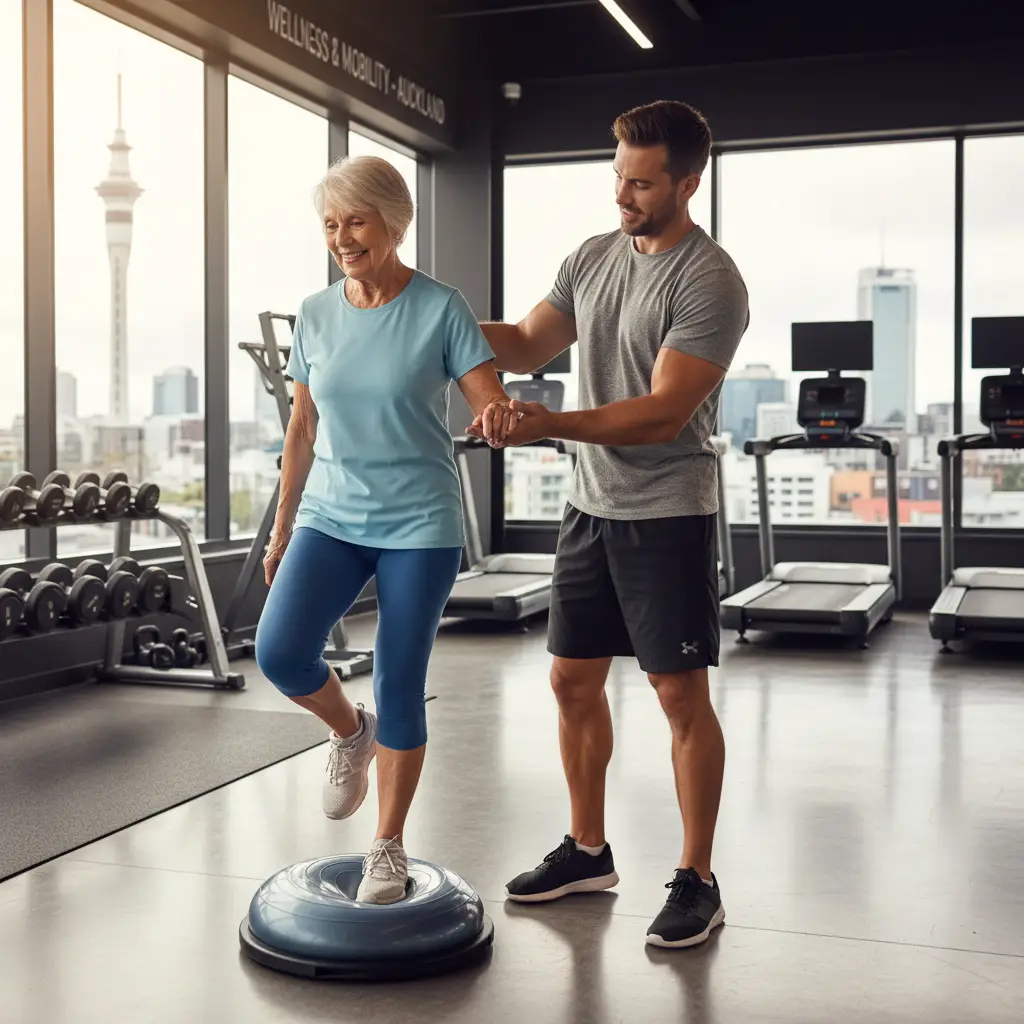
1. Single-Leg Balance (Ankle & Knee Stability)
- Stand tall with feet hip-width apart, looking straight ahead.
- Shift your weight onto one leg, gently lifting the other foot off the ground.
- Keep your core engaged and try to hold the position for 30 seconds. Avoid letting your hips drop or sway excessively.
- Repeat on the other leg. For added challenge, try closing your eyes or standing on an unstable surface.
2. Bird-Dog (Core & Spinal Stability)
- Start on your hands and knees, with hands directly under shoulders and knees under hips. Keep your back flat and core engaged.
- Slowly extend your right arm forward and your left leg straight back simultaneously, keeping your hips and shoulders level.
- Pause briefly at the top, focusing on stability without arching your back.
- Return to the starting position with control. Repeat on the opposite side. Perform 10-12 repetitions per side.

3. Glute Bridge (Hip & Pelvic Stability)
- Lie on your back with knees bent, feet flat on the floor hip-width apart, and heels a few inches from your glutes. Arms are at your sides.
- Engage your core and glutes, then lift your hips off the floor until your body forms a straight line from your shoulders to your knees.
- Squeeze your glutes at the top. Avoid over-arching your lower back.
- Slowly lower your hips back down. Perform 10-15 repetitions.
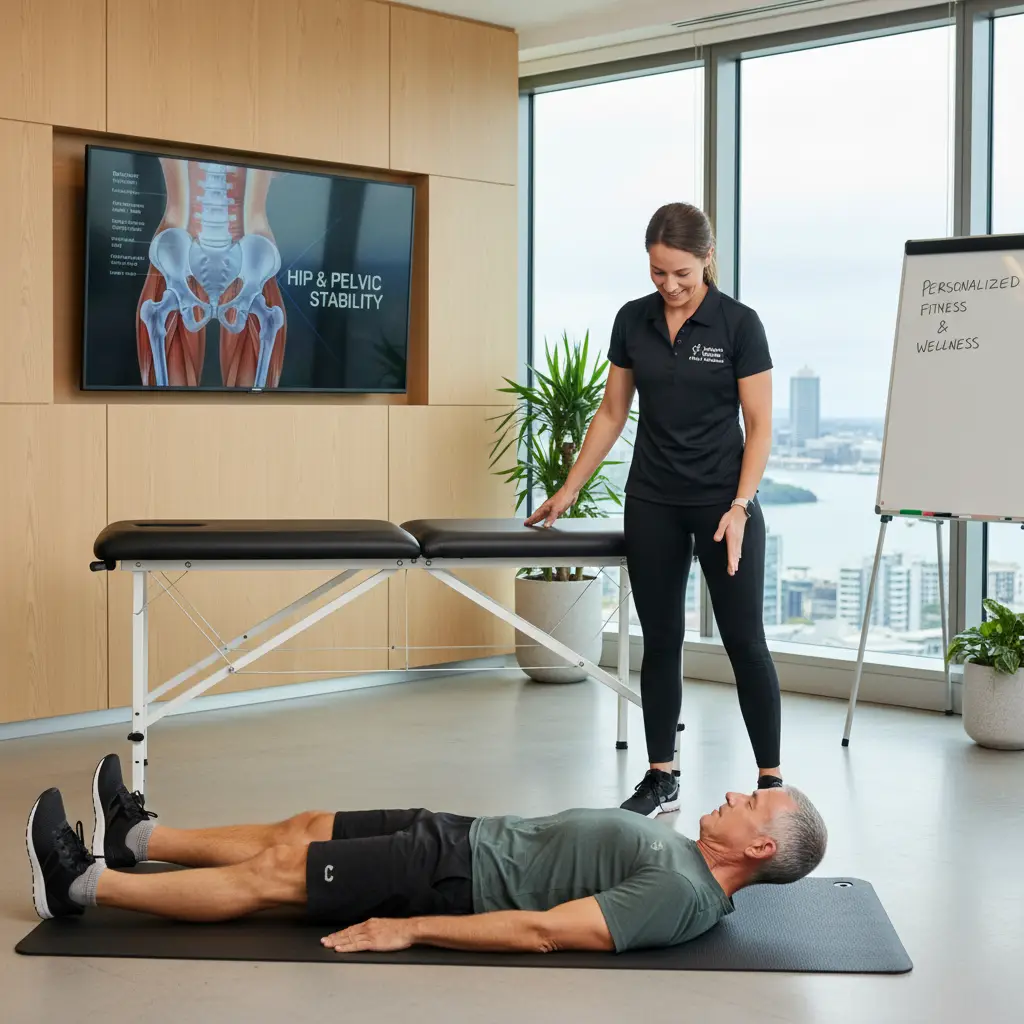
These exercises, when performed consistently and with proper form, are excellent for improving overall joint stability. For personalized guidance on these and other effective joint stability exercises Auckland residents can benefit from, consider consulting with a local fitness professional or physiotherapist.
5. Finding Expert Guidance in Auckland
While these exercises are a great starting point, a personalized approach is always best. Auckland boasts a wealth of highly qualified fitness professionals, physiotherapists, and exercise physiologists who specialize in joint health for diverse populations.
Whether you’re part of the silver economy seeking to maintain an active retirement or a mobile professional aiming to mitigate the effects of a sedentary lifestyle, finding an expert who understands your unique needs can make all the difference. They can provide a thorough assessment, develop a tailored program, and ensure you’re performing joint stability exercises safely and effectively.
Embrace a Future of Agile Movement
Investing in your joint mobility and stability is an investment in your overall quality of life. By understanding the distinction between the two and proactively incorporating targeted exercises, you can significantly reduce your risk of injury, alleviate discomfort, and enjoy greater freedom of movement.
For the silver economy, it means maintaining independence and continuing to engage in beloved activities. For mobile professionals in Auckland, it translates to better posture, reduced work-related aches, and sustained energy. Start your journey towards a more stable, mobile, and resilient body today. Your joints will thank you.
Frequently Asked Questions (FAQ)
What’s the difference between joint mobility and joint stability?
Joint mobility refers to the range of unhindered movement around a joint, allowing flexibility and full articulation. Joint stability is the ability of the muscles, ligaments, and connective tissues to control and support that joint, preventing excessive or uncontrolled movement that could lead to injury. Both are crucial for healthy, functional movement.
Why are joint stability exercises important for mobile professionals in Auckland?
Mobile professionals often spend long hours sitting or traveling, which can lead to muscle imbalances and poor posture. This can compromise joint stability, leading to back pain, neck stiffness, and increased injury risk. Stability exercises help counteract these effects, promoting better posture, reducing pain, and improving overall physical resilience.
How often should the silver economy population perform joint stability exercises?
For members of the silver economy, consistency is key. Aim for 2-3 sessions per week, focusing on a full-body routine that addresses ankles, knees, hips, and core. Always listen to your body and consult with a healthcare professional or an Auckland-based exercise specialist to tailor a safe and effective program.
Can I do joint stability exercises at home?
Absolutely! Many effective joint stability exercises, like those mentioned in this article (Single-Leg Balance, Bird-Dog, Glute Bridge), require no special equipment and can be performed at home. Focus on proper form, and consider starting with fewer repetitions and gradually increasing as your strength and balance improve.
Where can I find personalized joint stability exercise programs in Auckland?
Auckland has numerous options. Look for certified personal trainers, physiotherapists, or exercise physiologists who specialize in functional fitness, senior fitness, or injury prevention. Many clinics and gyms offer initial consultations to assess your needs and design a custom program for your unique goals and current physical condition.
References & Sources
- American Council on Exercise (ACE). (Ongoing). ACE Fitness Articles and Research. Retrieved from acefitness.org
- National Strength and Conditioning Association (NSCA). (Ongoing). Journal of Strength and Conditioning Research. Retrieved from nsca.com
- Mayo Clinic. (Ongoing). Healthy Lifestyle: Exercise. Retrieved from mayoclinic.org
- Hrysomallis, C. (2007). Relationship Between Balance Ability, Training and Sports Injury Risk. Sports Medicine, 37(6), 547-556.
- Physical Activity Guidelines for Americans (2nd ed.). (2018). U.S. Department of Health and Human Services. Retrieved from health.gov