
Rehab personal training in Auckland is a specialized fitness service designed to bridge the gap between clinical physiotherapy and independent gym use. It involves medically informed exercise programming delivered by qualified trainers who understand injury pathology, chronic conditions, and surgical recovery, often utilizing ACC pathways or private insurance benefits like Southern Cross to subsidize costs.
Bridging the Gap: Transitioning from Physio to the Gym
For many Auckland residents, particularly seniors and those recovering from significant orthopedic surgery, there exists a daunting “discharge void.” This is the period immediately following discharge from clinical physiotherapy but prior to regaining full functional independence. While physiotherapy is essential for acute recovery, pain reduction, and initial mobilization, the healthcare system often discharges patients once they are “functional” rather than “optimal.”
This is where rehab personal training in Auckland becomes a critical intervention. Unlike standard fitness coaching, which focuses primarily on aesthetics or high-performance metrics, medically informed personal training focuses on structural integrity, movement quality, and long-term joint health. The goal is not just to survive the day but to return to hobbies, sports, and daily activities without the looming fear of re-injury.
The Risks of Premature Independence
Returning to a standard commercial gym environment without specialized guidance can be detrimental. Standard gym machines often lock joints into fixed planes of motion that may not be suitable for a recovering hip replacement or a sensitive lumbar spine. Furthermore, group fitness classes, while popular in suburbs like Remuera or Ponsonby, rarely offer the customization required for someone managing osteoarthritis or post-surgical rehabilitation.
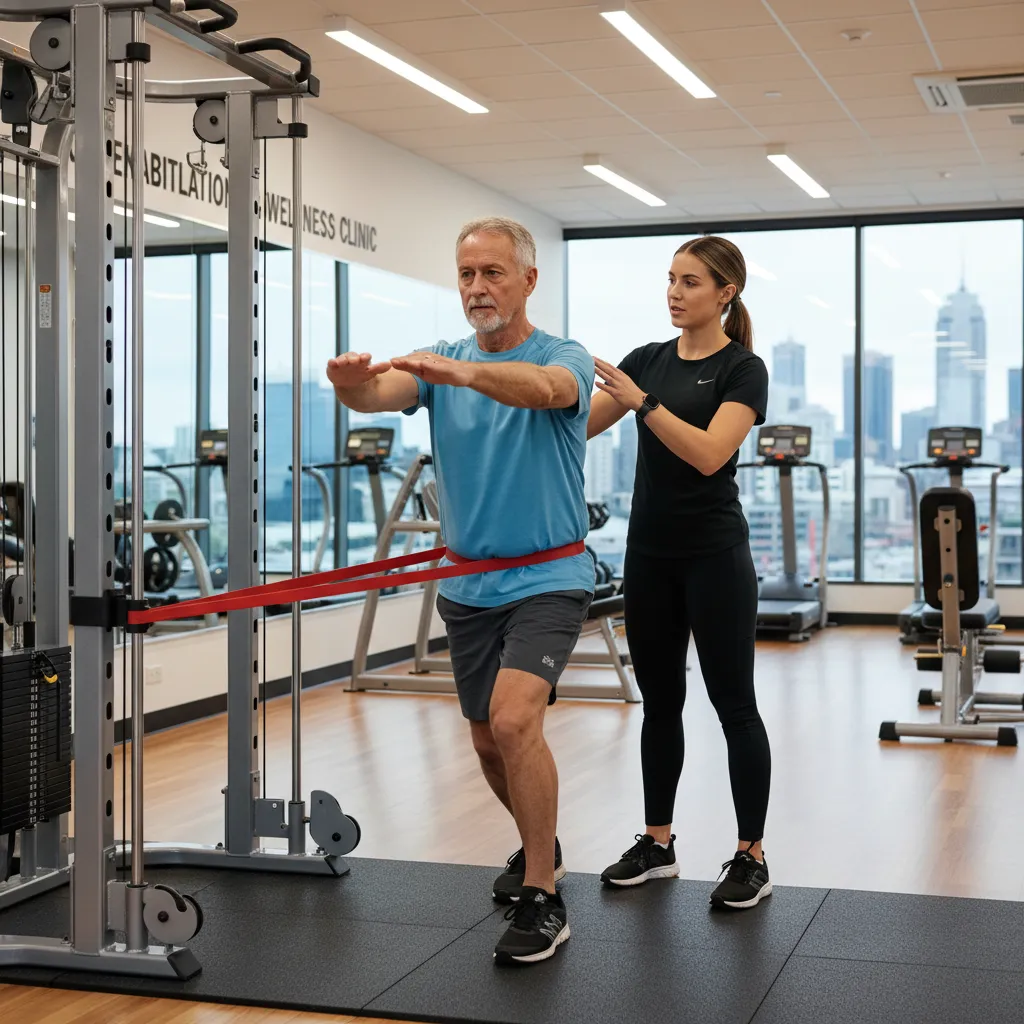
A qualified rehab trainer acts as a translator between the clinical advice of your surgeon or physiotherapist and the practical application of lifting weights. They understand how to modify a squat for someone with limited ankle dorsiflexion or how to load the upper body without aggravating a recovering rotator cuff. This transition phase is vital for building the “tissue tolerance” necessary to handle the load of real-life activities, such as gardening, carrying groceries, or playing with grandchildren.
Understanding ACC Surcharges and Registered Trainers
Navigating the Accident Compensation Corporation (ACC) landscape can be confusing for patients seeking ongoing rehabilitation. A common misconception is that ACC fully covers all forms of rehabilitation indefinitely. In reality, once the acute phase is managed by a physiotherapist, funding for general personal training is limited unless specific contracts are in place.
What is an ACC Registered Trainer?
In the context of New Zealand’s rehabilitation sector, a trainer “working with ACC” typically operates under specific rehabilitation contracts held by physiotherapy clinics or pain management services. These are often referred to as “Active Rehab” or “Activity Based Rehabilitation” programs. To access this, a referral is usually required from your treating physiotherapist or specialist.
If you are eligible, ACC may fund a set number of sessions with a rehabilitation coach or exercise physiologist. However, in many high-demand Auckland clinics, there may be a surcharge. This surcharge covers the gap between what ACC pays the provider and the actual cost of delivering high-level, one-on-one expert coaching. It is important to view this surcharge not as an extra fee, but as an investment in a higher tier of expertise than what is available through standard subsidized care.
Private Paying vs. ACC Funded
For many seniors or those with chronic conditions not caused by a specific accident (and therefore not covered by ACC), the route is private payment. However, the distinction in quality should remain high. When searching for “rehab personal training Auckland,” look for trainers who maintain relationships with local physiotherapists. The best trainers will happily communicate with your medical team to ensure the exercise prescription aligns with your medical limitations.
Safety Protocols for Chronic Back Pain and Joint Replacement
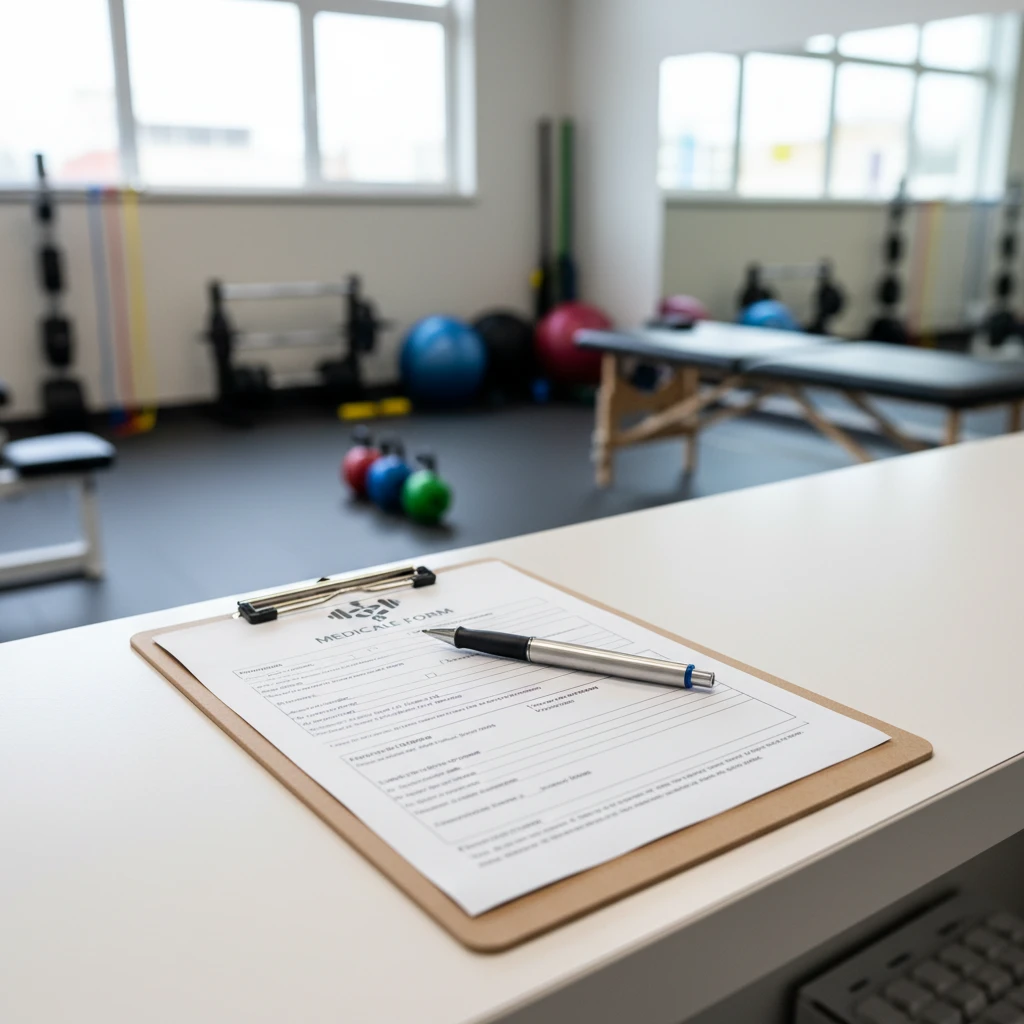
Safety is the paramount concern in medically informed fitness. The protocols for training a healthy 25-year-old are vastly different from those required for a 65-year-old with a total knee replacement (TKR) or chronic non-specific lower back pain (CNLBP).
Managing Chronic Back Pain in the Gym
Chronic back pain is often exacerbated by fear-avoidance behavior—the fear that movement will cause pain, leading to inactivity, which causes stiffness and weakness, leading to more pain. A rehab personal trainer breaks this cycle using graded exposure.
- Neutral Spine Bias: Initially, exercises are selected that allow the spine to remain neutral while the hips and shoulders do the work. Examples include the trap bar deadlift or supported rows.
- Anti-Rotation Core Work: Instead of sit-ups (which flex the spine), rehab protocols focus on resisting movement, such as Pallof presses or plank variations, to build a natural “corset” of stability.
- Load Management: Pain does not always equal damage. A skilled trainer teaches you to distinguish between “hurt” (acute injury pain) and “harm” (structural damage), allowing you to train safely within a discomfort threshold.
Training After Hip or Knee Replacement
Following a joint replacement, the mechanical integrity of the joint is restored, but the surrounding musculature is often atrophied. Auckland has a high rate of elective orthopedic surgeries, making this a key area of focus for local rehab trainers.
Key Safety Protocols Include:
- Range of Motion (ROM) Monitoring: Respecting the precautions set by the surgeon (e.g., avoiding past 90-degree flexion in posterior hip replacements for the first 6-12 weeks).
- Unilateral Training: Focusing on single-leg exercises to correct the imbalances that developed during the years of limping prior to surgery.
- Impact Control: Utilizing low-impact cardio options like the elliptical, recumbent bike, or rowing machine to improve cardiovascular health without subjecting the new prosthetic to high ground reaction forces.

How to Claim Southern Cross Wellness Benefits for Coaching
One of the most underutilized resources for Aucklanders seeking rehab personal training is private health insurance. Southern Cross Health Society, New Zealand’s largest provider, offers benefits that can significantly subsidize the cost of gym memberships and, in some cases, personal training, provided specific criteria are met.
The “Body Care” and “Wellbeing” Modules
Many Southern Cross policies (such as the Wellbeing One or Two plans with the Body Care Module) include an allowance for “Health and Wellness.” This can cover costs associated with gym memberships or exercise physiology.
Crucial Requirement: REPs Registration
To claim these benefits, your personal trainer or the facility usually must be registered with the Register of Exercise Professionals (REPs). REPs is the standard-setting body in New Zealand. A REPs registered trainer holds verified qualifications and adheres to a code of ethical practice. Insurance providers use this registration as a quality assurance benchmark.
Step-by-Step Claiming Process
- Verify Your Policy: Log in to the My Southern Cross app or portal to check if your specific policy includes the Body Care module or similar wellness benefits.
- Choose a REPs Registered Trainer: When vetting trainers in Auckland, explicitly ask, “Are you REPs registered?” If they are not, your claim will likely be declined.
- Get a Receipt: Ensure your invoice clearly states the trainer’s name, their REPs registration number, the date of service, and the nature of the service (e.g., “Prescribed Exercise Session”).
- GP Referral (Sometimes Required): Some policies require a letter from your General Practitioner (GP) stating that the exercise is medically necessary for a specific condition (e.g., hypertension, rehabilitation, weight management).

The Psychology of Recovery in Senior Fitness
Physical rehabilitation is only half the battle. The psychological aspect of recovering from an injury or surgery, especially for seniors, is profound. The loss of independence can lead to feelings of vulnerability and depression. A “medically informed” trainer does more than count reps; they act as a pillar of psychological support.
Building self-efficacy—the belief in one’s ability to succeed—is a core component of rehab personal training. By setting small, achievable goals (micro-progressions), a trainer helps the client prove to themselves that they are capable of improvement. This positive reinforcement loop is essential for long-term adherence to a fitness lifestyle. In the Auckland market, where lifestyle performance is highly valued, restoring the confidence to walk the local beaches or hike the Waitakere Ranges is often the ultimate goal of the training program.
Frequently Asked Questions
Do I need a referral from a doctor for rehab personal training?
While not strictly mandatory for private paying clients, a referral is highly recommended. It allows the trainer to communicate with your GP or specialist to understand contraindications. For ACC-funded support or insurance claims, a referral is almost always required.
How much does rehab personal training cost in Auckland?
Rates vary based on the trainer’s expertise and location. Generally, specialized rehab trainers in Auckland charge between $90 and $150 per hour. Surcharges for ACC-subsidized sessions may range from $20 to $60 depending on the clinic.
Can personal training fix my back pain?
Personal training does not “cure” pain in the medical sense, but it strengthens the supporting structures of the back, improves posture, and increases mobility. This often results in a significant reduction in pain symptoms and a lower risk of future flare-ups.
What is the difference between a Physio and a Rehab Trainer?
Physiotherapists diagnose injuries and treat acute pain/dysfunction (often using manual therapy). Rehab trainers focus on post-acute strength and conditioning, bridging the gap between medical treatment and full functional fitness.
Is it safe to lift weights with arthritis?
Yes, and it is often recommended. Strength training supports the joints, reduces the load on the cartilage, and improves bone density. However, the intensity and volume must be carefully managed by a qualified professional.
How do I know if a trainer is qualified for rehab?
Look for university degrees in Sport Science or Exercise Physiology, REPs registration, and specific certifications in rehabilitation or special populations. Ask about their experience with your specific injury or condition.