
A menopause fitness coach is a specialized health professional who designs exercise and lifestyle programs tailored to women transitioning through perimenopause and post-menopause. When you hire a menopause fitness coach, you gain access to medically informed strategies that manage hormonal fluctuations, mitigate muscle loss (sarcopenia), improve bone density, and alleviate symptoms like hot flashes and fatigue safely.
For women entering mid-life, the fitness landscape changes dramatically. Strategies that worked in your 20s or 30s—often centered around high-intensity cardio and caloric restriction—can become counterproductive, exacerbating stress hormones and stalling progress. Navigating this physiological shift requires more than a general personal trainer; it requires a strategic partner who understands the endocrine system.
Navigating Mid-Life Body Composition Changes
One of the primary drivers for women seeking to hire a menopause fitness coach is the sudden and often confusing shift in body composition. As estrogen levels decline during perimenopause, the body’s method of storing fat changes. Estrogen previously helped store fat in the hips and thighs (subcutaneous fat). As it wanes, the body becomes more prone to storing fat in the abdominal region (visceral fat), which surrounds vital organs and poses higher metabolic risks.

The Insulin Connection
This shift isn’t merely cosmetic; it is metabolic. Menopause often brings a decrease in insulin sensitivity. This means your cells become less effective at absorbing glucose from the bloodstream, leading to higher blood sugar levels and increased fat storage. A medically informed fitness coach understands that the solution is not simply “eating less.” Drastic caloric deficits can trigger a cortisol spike, which further encourages the body to hold onto abdominal fat as a survival mechanism.
Combatting Sarcopenia
Simultaneously, women face sarcopenia—the age-related loss of muscle mass. Muscle is metabolically active tissue; the less you have, the slower your resting metabolic rate (RMR). A general trainer might prescribe long-duration cardio to burn calories, but this can be catabolic, breaking down muscle tissue further. A specialized coach focuses on preservation and hypertrophy (muscle growth) to keep the metabolic engine running efficiently.
Training Around Hot Flashes and Fatigue
The decision to hire a menopause fitness coach often stems from the inability to maintain a routine due to debilitating symptoms. Vasomotor symptoms, commonly known as hot flashes, and profound fatigue can make adhering to a standard gym program feel impossible. However, movement is often the best medicine for these symptoms if applied correctly.
Auto-Regulation and RPE
A specialized coach utilizes a concept called auto-regulation. Instead of a rigid “no pain, no gain” mentality, training is adapted based on your daily physiological state. This often involves using the Rate of Perceived Exertion (RPE) scale rather than fixed weights or speeds. On days when fatigue is high or sleep was poor due to night sweats, a coach might pivot the session from high-demand hypertrophy work to mobility flows or steady-state zone 2 cardio, which aids in recovery without taxing the central nervous system.

Temperature Management Strategies
Professional coaching involves environmental management. This includes programming rest intervals that allow body temperature to regulate, choosing well-ventilated training spaces, and understanding that a rise in core temperature can trigger a hot flash. A specialized coach plans for these interruptions, ensuring they don’t derail the workout but are simply part of the process.
The Role of Strength Training in Hormonal Regulation
When you look to menopause fitness coach hire options, the most critical competency to verify is their expertise in resistance training. Strength training is not optional for the menopausal woman; it is a critical intervention for hormonal health.
Estrogen Mimetics
While exercise cannot replace estrogen, the mechanical tension provided by lifting weights stimulates the bones and muscles in a way that mimics some of estrogen’s protective effects. Heavy resistance training creates a piezoelectric effect in the bones, signaling osteoblasts to lay down new bone tissue. This is the primary defense against osteopenia and osteoporosis, conditions that accelerate rapidly post-menopause.
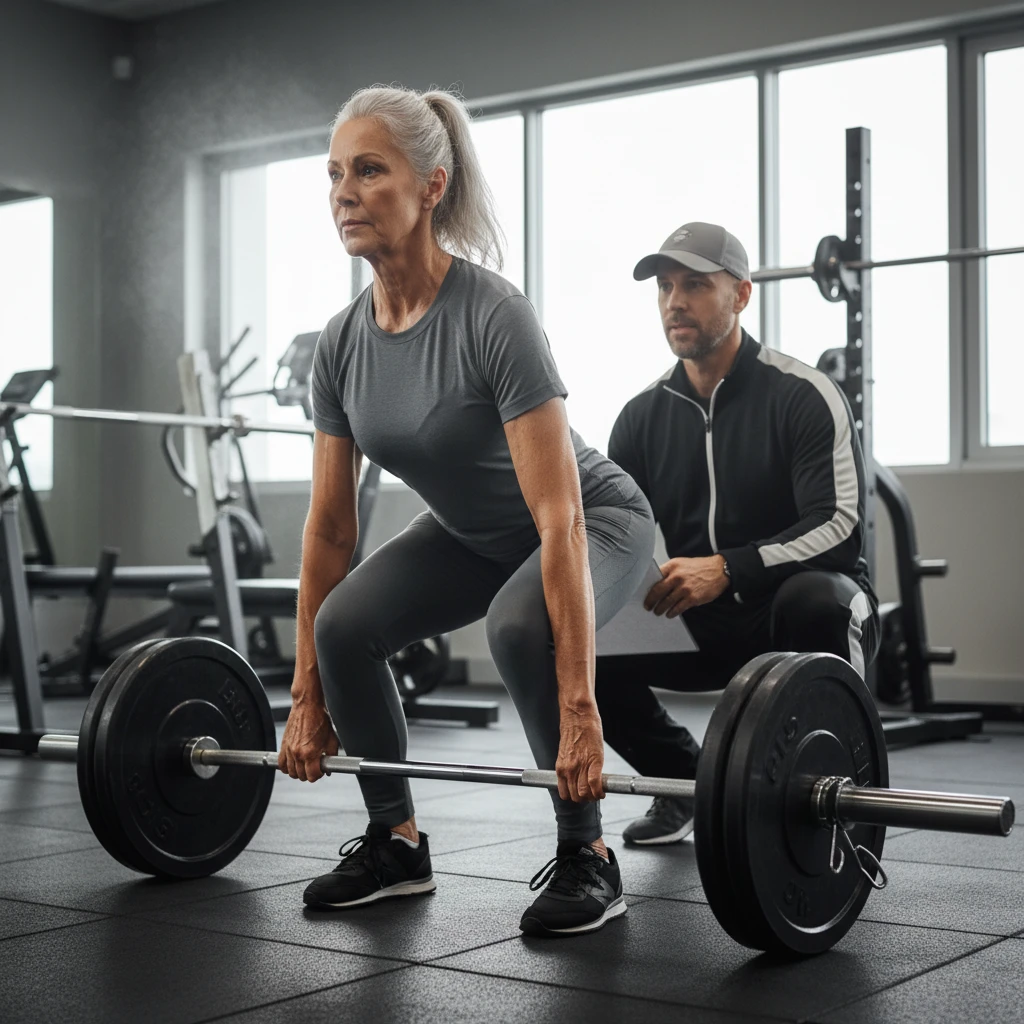
Cortisol and Growth Hormone Balance
The type of training matters. Short, intense bouts of resistance training stimulate the release of growth hormone and testosterone (which women have in small amounts), both of which are vital for lipolysis (fat burning) and muscle retention. Conversely, chronic cardio keeps cortisol levels elevated. A medically informed coach structures programs to maximize the anabolic (building) hormones while minimizing the catabolic (breaking down) stress hormones.
Holistic Approach: Sleep, Stress, and Movement
In the realm of medically informed senior fitness and lifestyle performance, particularly in health-conscious markets like Auckland, the scope of coaching extends far beyond the gym floor. Hormonal health is a 24-hour cycle, not just a one-hour workout.
The Cortisol Steal
Stress management is paramount. The body uses the same raw materials to produce cortisol as it does to produce sex hormones. When you are chronically stressed (whether from life, poor diet, or over-exercising), the body prioritizes cortisol production—a phenomenon known as the “pregnenolone steal.” This further depletes your already dwindling sex hormones. A holistic coach audits your lifestyle to reduce allostatic load, ensuring your training doesn’t add to the stress bucket but rather helps empty it.

Sleep Hygiene as Performance Enhancer
Sleep disruption is a hallmark of menopause. However, sleep is also when the body clears metabolic waste and repairs tissue. A fitness coach specializing in this niche will treat sleep hygiene as part of the programming. This might involve protocols for light exposure, evening wind-down routines, and nutritional timing to prevent blood sugar crashes that wake you up at 3 AM.
Why You Need to Hire a Menopause Fitness Coach
The decision to menopause fitness coach hire is a transactional step toward reclaiming agency over your body. The generic fitness industry is often ill-equipped to handle the nuances of the menopausal transition. Standard protocols of “eat less, exercise more” can be physically damaging and psychologically defeating for women in this demographic.
What to Look for in a Coach
When vetting a professional, look for the following qualifications and traits:
- Specialized Certifications: Look for credentials specifically in Menopause 2.0, Active Aging, or Medical Exercise Specialist certifications.
- Empathy and Understanding: They should understand that symptoms vary day-to-day and be willing to adjust the plan accordingly.
- Focus on Heavy Lifting: If a trainer is afraid to let you lift heavy weights (with proper form), they may not understand the bone density requirements of menopause.
- Nutritional Nuance: They should advocate for protein prioritization and nutrient density rather than severe caloric restriction.
Investing in a specialized coach is an investment in your longevity. It bridges the gap between healthcare and fitness, providing a safe, effective path to navigating the changes of mid-life with strength and confidence.
People Also Ask
What is the best exercise for menopause belly fat?
The most effective approach combines heavy resistance training to build metabolic tissue (muscle) with low-impact steady-state cardio (like walking) to manage cortisol. High-Intensity Interval Training (HIIT) can be effective but must be used sparingly to avoid spiking stress hormones that encourage belly fat storage.
Can a fitness coach help with hot flashes?
Yes, indirectly. While a coach cannot stop hormonal fluctuations, regular exercise has been shown to improve the body’s thermoregulation. Furthermore, a coach can help you identify triggers and manage the stress that often precipitates severe hot flashes.
How often should a menopausal woman lift weights?
Ideally, 2 to 4 times per week. Recovery takes longer during menopause, so daily heavy lifting is often counterproductive. A schedule of lifting three days a week allows for adequate stimulus while prioritizing the recovery days necessary for muscle growth.
Is it too late to start fitness training in menopause?
Absolutely not. Post-menopause is actually one of the most critical times to start. Starting resistance training now can significantly reverse sarcopenia, improve balance, and reduce the risk of fractures, drastically improving quality of life in later years.
How much does a menopause fitness coach cost?
Costs vary significantly based on location and expertise. In premium markets like Auckland or for medically informed online coaching, rates are generally higher than standard personal training due to the specialized knowledge required. Expect to pay a premium for the customized, health-focused programming.
What is the difference between a PT and a Menopause Coach?
A standard Personal Trainer (PT) focuses on general fitness, weight loss, or performance. A Menopause Coach is a PT with additional education in endocrinology and aging, specifically trained to program around hormonal symptoms, bone health, and pelvic floor integrity.