Senior fitness on the North Shore refers to specialized physical activity programs in Auckland designed for older adults, focusing on mobility, fall prevention, and chronic condition management. These services range from medically informed strength training in accessible gyms to low-impact aquatic classes and mobile personal trainers serving Takapuna, Devonport, and surrounding suburbs.
Maintaining physical independence and robust health well into retirement is a priority for many residents of Auckland’s North Shore. However, finding the right environment—one that balances performance with safety—can be challenging. Whether you are recovering from surgery, managing arthritis, or simply aiming to maintain your golf swing, the landscape of senior fitness on the North Shore has evolved to offer medically informed, high-quality options tailored to the unique physiological needs of adults over 65.
Why Medically Informed Fitness Matters for Seniors
As we age, the goal of exercise shifts from purely aesthetic outcomes to functional longevity. For seniors living in the coastal suburbs of the North Shore, maintaining the ability to walk along Takapuna Beach or navigate the slopes of Birkenhead is paramount. Medically informed fitness goes beyond standard gym routines; it integrates clinical knowledge into exercise prescription.
This approach is critical for mitigating Sarcopenia (age-related muscle loss) and Osteopenia (bone density loss). A standard fitness program might overlook the nuances of joint replacements or cardiovascular limitations. In contrast, medically informed providers in Auckland collaborate with physiotherapists and general practitioners to ensure that exercise acts as medicine. This includes monitoring blood pressure response to exertion, adjusting biomechanics to protect joints, and focusing on neuromuscular coordination to prevent falls.

Accessible Gyms on the North Shore
Not all fitness facilities are created equal, particularly when addressing the needs of the senior demographic. Accessibility involves more than just a ramp at the entrance; it encompasses the layout of the floor, the type of equipment available, and the culture of the facility.
Key Features of Senior-Friendly Facilities
When scouting for a gym in areas like Albany or Glenfield, look for facilities that prioritize pneumatic resistance equipment. Unlike traditional iron weights, pneumatic machines use air pressure, which reduces the shock load on joints and allows for smaller incremental weight increases. This is vital for seniors recovering from injury or managing chronic pain.
Top Considerations for North Shore Residents
Several facilities across the North Shore, including leisure centers managed by the Auckland Council and private boutique studios, offer “Gold Fit” or similar senior-specific memberships. These programs often provide:
- Supervised Hours: Times when floor staff are actively monitoring technique to ensure safety.
- Ergonomic Layouts: Wide pathways suitable for walkers or wheelchairs and non-slip flooring.
- Acoustic Management: Lower music volumes to aid communication, which is essential for those with hearing impairments.
Mobile Trainers: Takapuna to Devonport
For many seniors, the most significant barrier to exercise is transportation or the intimidation factor of a large commercial gym. Mobile personal training has surged in popularity across the peninsula, offering a transactional solution that brings professional expertise directly to your living room or local park.
The Benefits of In-Home Training
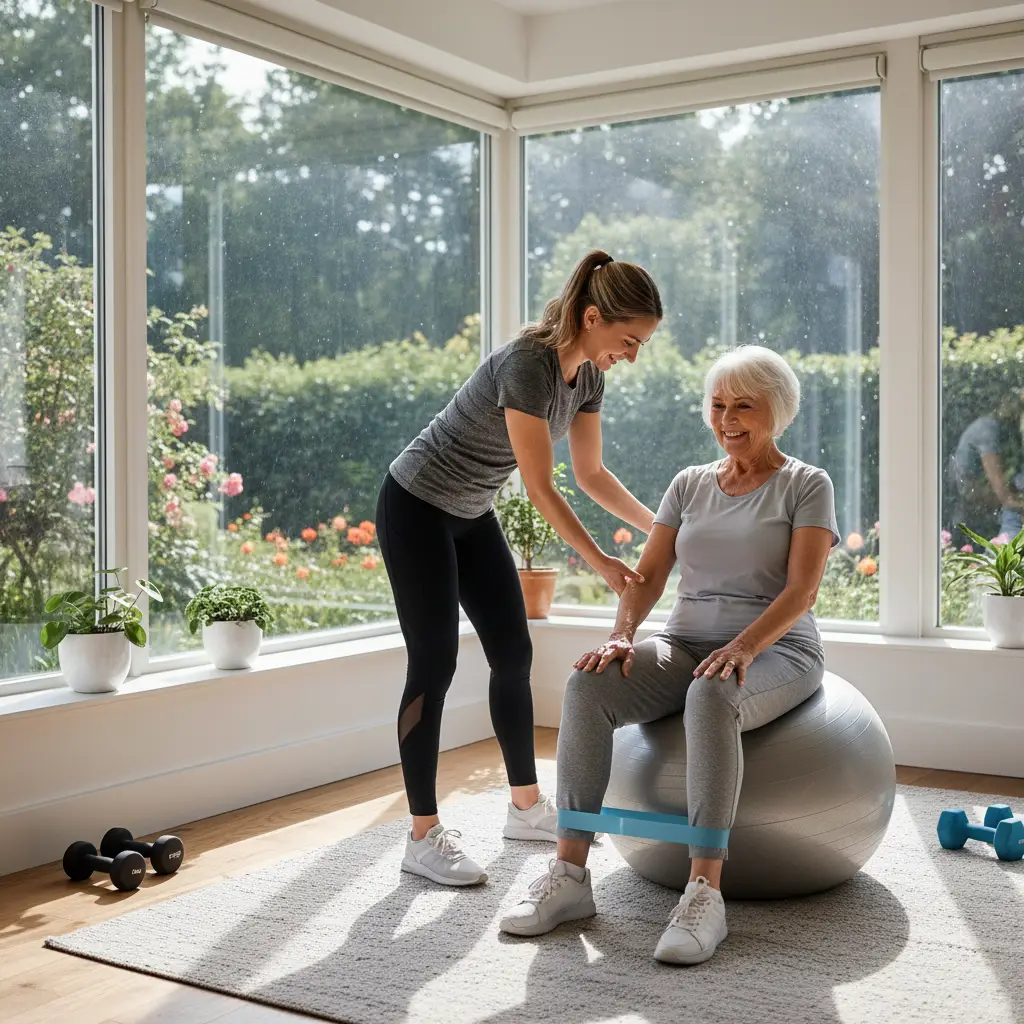
Mobile trainers operating from Takapuna down to Devonport specialize in adapting home environments for fitness. They can utilize body weight, resistance bands, and portable weights to create a comprehensive workout without the need for heavy machinery. This is particularly beneficial for clients with mobility issues who find travel difficult.
Specialized Geriatric Coaching
When hiring a mobile trainer on the North Shore, it is crucial to seek professionals with qualifications in older adult fitness or clinical exercise physiology. These experts are trained to recognize the signs of exertion intolerance and can modify sessions on the fly based on how you are feeling that day. Whether it is a gentle session focusing on flexibility near Lake Pupuke or a strength session in a Milford apartment, the focus remains on functional capacity—improving your ability to perform daily tasks like carrying groceries or gardening.
Social Fitness Groups for Active Retirees
Isolation can be as detrimental to senior health as physical inactivity. Social fitness groups on the North Shore offer a dual benefit: physical conditioning and community connection. These groups are often organized by local community centers, RSAs, or specialized fitness providers.
Walking and Hiking Groups
The North Shore boasts some of Auckland’s most scenic coastal walks. Organized walking groups for seniors range from flat, paved strolls along the Orewa Estuary to more challenging hikes through the East Coast Bays. These groups often operate on a “no one left behind” policy, ensuring safety and camaraderie. The social aspect encourages consistency; you are more likely to show up if you know your friends are waiting.
Low-Impact Group Classes
Beyond walking, community halls in Northcote and Birkenhead frequently host classes such as:
- Senior Zumba: Modified dance moves that improve cardiovascular health without high-impact jumping.
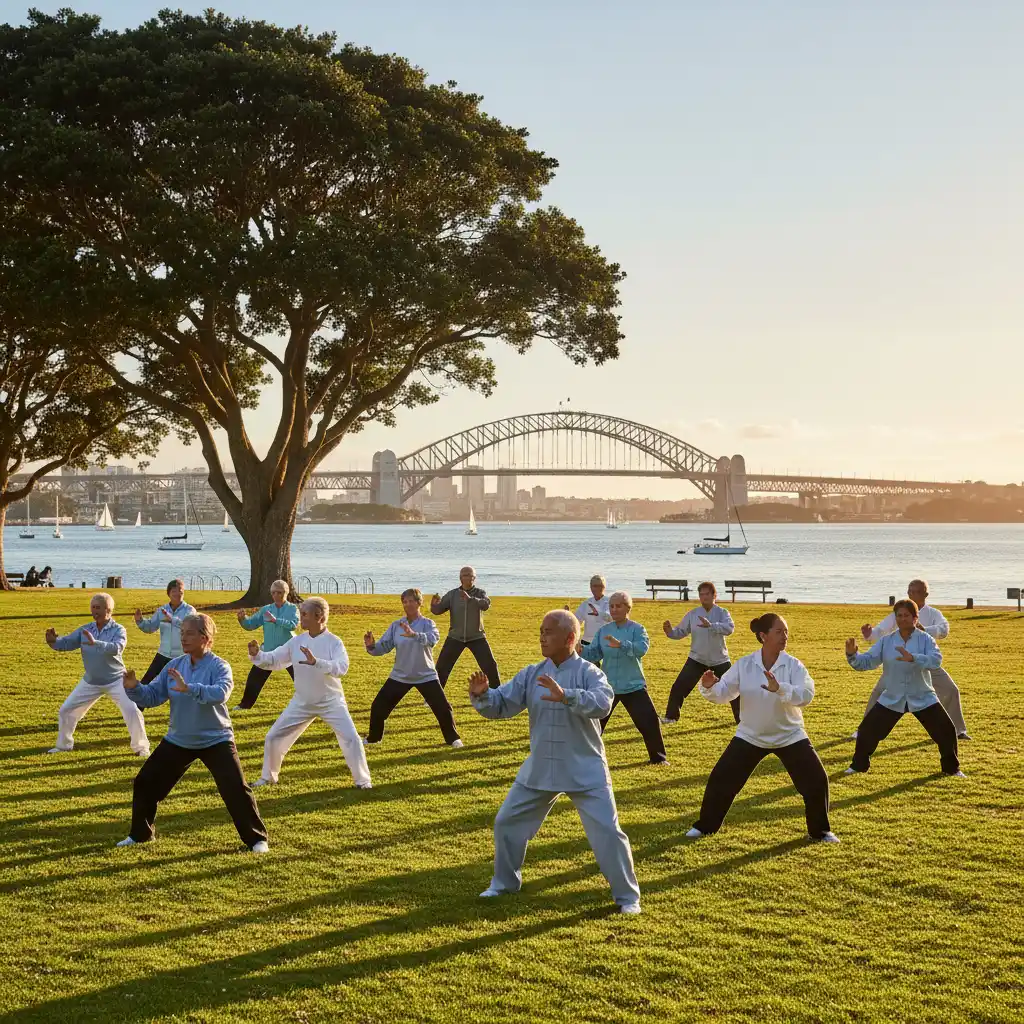
- Tai Chi and Qigong: Excellent for balance and cognitive function, these practices are often held in parks during the summer months.
- Chair Yoga: Perfect for those with limited mobility, focusing on breathing, stretching, and mindfulness.
Aquatic Fitness Options Nearby
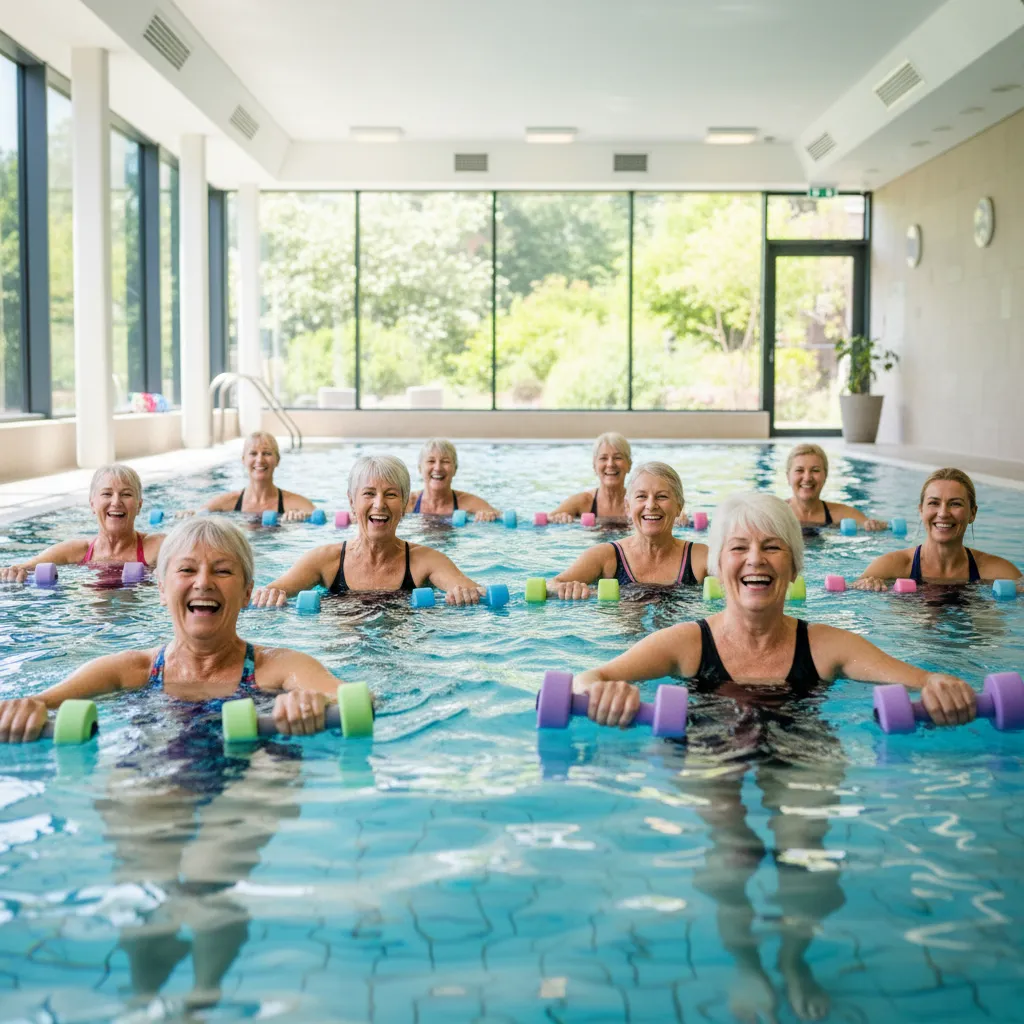
For seniors dealing with osteoarthritis, rheumatoid arthritis, or joint replacements, aquatic fitness is often the gold standard. The buoyancy of water reduces the weight borne by joints by up to 90%, allowing for pain-free movement that might be impossible on land.
Hydrotherapy and Aqua Aerobics
The North Shore is well-serviced by facilities offering heated pools suitable for therapeutic exercise. Locations such as the Glenfield Leisure Centre and the Millennium Institute of Sport & Health offer specific classes for seniors.
Aqua Jogging: This involves running in deep water using a flotation belt. It provides an intense cardiovascular workout with zero impact on the knees or hips. It is an excellent way to maintain heart health while recovering from lower-body injuries.
Warm Water Therapy: Exercising in hydrotherapy pools (typically heated between 32°C and 34°C) helps relax tight muscles and increase the range of motion. This is particularly effective for seniors with chronic back pain or fibromyalgia.
Safety Protocols and Choosing a Provider
Engaging in a new fitness regimen requires due diligence. To ensure you are receiving safe, medically informed instruction, consider the following criteria before signing a contract or booking a session.
Check Qualifications
In New Zealand, look for trainers and facilities registered with REPs (Register of Exercise Professionals). For seniors with medical conditions, a trainer with a degree in Sport and Exercise Science or accreditation as a Clinical Exercise Physiologist is preferred over a standard certificate holder.
Medical Clearance
A reputable provider will always request a pre-exercise screening. This should involve a discussion about your medical history, current medications, and specific goals. If a trainer does not ask about your blood pressure or surgical history, consider it a red flag. Always consult your GP before starting a new program, especially if you have a history of cardiac events.
Trial Sessions
Most gyms and mobile trainers on the North Shore offer introductory sessions. Use this time to assess their communication style. Do they listen to your concerns? Do they offer alternatives if a movement causes pain? The right instructor will prioritize your comfort and safety above intensity.
People Also Ask
What is the best exercise for 70 year olds?
The best exercise for 70-year-olds is a combination of resistance training (to combat muscle loss), balance exercises (to prevent falls), and moderate aerobic activity (for heart health). Low-impact activities like swimming, cycling, and walking are highly recommended to protect joints.
Are there free exercise classes for seniors in Auckland?
Yes, there are often free or low-cost exercise classes for seniors in Auckland provided by community centers and the Auckland Council. Programs like “Live Stronger for Longer” often list community group fitness classes that are subsidized or free of charge.
How much does a personal trainer cost on the North Shore?
Personal training rates on the North Shore typically range from $80 to $130 NZD per hour, depending on the trainer’s experience and qualifications. Mobile trainers may charge slightly more to cover travel time and costs.
Is swimming good for seniors with arthritis?
Yes, swimming and water aerobics are excellent for seniors with arthritis. The water’s buoyancy supports the body’s weight, reducing stress on painful joints, while the water resistance helps build muscle strength without high impact.
What is the Green Prescription in New Zealand?
A Green Prescription (GRx) is a health professional’s written advice to a patient to be physically active as part of their health management. It provides access to support services and sometimes discounted rates at leisure centers for seniors looking to improve their health.
How often should seniors lift weights?
Current guidelines suggest that seniors should engage in strength training exercises at least two days a week. It is important to target all major muscle groups and allow for rest days between sessions to facilitate muscle recovery.