
An effective NZ nutrition guide for seniors prioritizes high-quality protein intake to combat sarcopenia, combined with nutrient-dense, seasonal New Zealand produce. It emphasizes hydration strategies to counteract diminished thirst mechanisms and targeted supplementation, particularly Vitamin D, to navigate local climate conditions and support long-term metabolic health and mobility.
Eating for Longevity in New Zealand
As we age, our physiological landscape changes, requiring a recalibration of our nutritional inputs. For seniors in New Zealand, particularly those maintaining an active lifestyle in regions like Auckland, the concept of “eating for longevity” moves beyond simple calorie counting. It requires a medically informed approach to fueling the body to preserve muscle mass, optimize cognitive function, and support immune resilience.
New Zealand offers a unique advantage for nutritional wellness: access to some of the world’s highest-quality whole foods. From grass-fed beef and lamb to seafood rich in Omega-3s, the local food system supports a diet that closely mirrors the Mediterranean approach—often cited as the gold standard for aging populations—but with a distinct Kiwi twist. However, the key to unlocking longevity lies in understanding bioavailability and nutrient density.
Metabolic efficiency declines with age. This means that a senior’s body absorbs fewer nutrients from the same amount of food compared to a younger individual. Therefore, every meal must be nutrient-dense. Empty calories from processed sugars and refined carbohydrates can exacerbate inflammation and insulin resistance, conditions that are precursors to chronic diseases such as Type 2 diabetes and cardiovascular issues. A longevity-focused diet in NZ prioritizes whole, unprocessed foods that provide a high return on investment for every bite consumed.

Why is protein critical for NZ seniors?
The most significant threat to active aging is sarcopenia—the involuntary loss of skeletal muscle mass and strength. Sarcopenia accelerates after the age of 60, increasing the risk of falls, fractures, and metabolic decline. To combat this, current medical consensus suggests that seniors require a higher protein intake than the standard Recommended Dietary Allowance (RDA).
The Anabolic Resistance Factor: Aging muscles become “anabolically resistant,” meaning they are less responsive to protein signals. While a younger adult might trigger muscle synthesis with 20g of protein, a senior may require 30g to 40g per meal to achieve the same effect. New Zealand seniors should aim for approximately 1.2 to 1.5 grams of protein per kilogram of body weight daily.
Sources Matter: Fortunately, New Zealand is a premier producer of high-leucine protein sources. Leucine is the essential amino acid responsible for “switching on” muscle repair. Excellent local sources include:
- NZ Grass-Fed Whey Protein: Highly bioavailable and rapidly absorbed, ideal for post-exercise recovery.
- King Salmon: Rich in protein and anti-inflammatory Omega-3 fatty acids.
- Free-Range Eggs: A complete protein source containing choline for brain health.
- Lean Lamb and Beef: Provides heme iron and B12, crucial for energy levels and preventing anemia.
Seasonal Produce Guide: Farm to Table
Eating seasonally is not merely a culinary preference; it is a nutritional imperative. Produce that is harvested at peak ripeness and consumed shortly after contains significantly higher levels of vitamins, minerals, and phytonutrients compared to food that has been in cold storage or shipped globally. In New Zealand, the distinct seasons offer a rotating palette of nutrients essential for senior health.
What to eat in Summer (December – February)?
Summer in New Zealand brings an abundance of stone fruits and berries. These are powerhouses of antioxidants, specifically anthocyanins, which protect cells from oxidative stress and support cardiovascular health.
- Blueberries & Strawberries: High in Vitamin C and fiber, supporting immune function and gut health without spiking blood sugar excessively.
- Avocados: While available year-round, they peak in quality during specific windows. They provide monounsaturated fats essential for heart health and lipid management.
- Capsicums and Tomatoes: Rich in lycopene and Vitamin C, crucial for skin health and collagen production.

What to eat in Autumn (March – May)?
As the weather cools, the focus shifts to root vegetables and harvest crops. These foods provide sustained energy and complex carbohydrates.
- Kumara (Sweet Potato): An NZ staple. The red and orange varieties are high in beta-carotene (Vitamin A) and have a lower glycemic index than white potatoes, making them better for blood sugar regulation.
- Feijoas: Extremely high in Vitamin C and fiber. They aid digestion and boost immunity ahead of the winter flu season.
- Pumpkins: Dense in potassium, which helps regulate blood pressure—a key concern for seniors.
What to eat in Winter (June – August)?
Winter nutrition focuses on immunity and warmth. The citrus season in Northland and Gisborne provides necessary vitamins to fight off infections.
- Kiwifruit (Gold and Green): One of the most nutrient-dense fruits available. Gold kiwifruit contains incredibly high Vitamin C levels, while green is renowned for actinidin, an enzyme that aids protein digestion—vital for seniors with lower stomach acid levels.
- Dark Leafy Greens (Kale, Silverbeet): High in magnesium and calcium for bone health.
- Lemons and Mandarins: Essential for immune defense.
What to eat in Spring (September – November)?
Spring is for cleansing and renewal, focusing on lighter, green vegetables.
- Asparagus: A natural diuretic that helps reduce fluid retention and supports kidney function. It is also rich in folate, which supports cognitive health.
- Lamb: Spring lamb is tender and rich in zinc, essential for immune function and wound healing.
Supplementation for the NZ Climate
While a “food first” approach is ideal, the specific environmental conditions in New Zealand and the biological realities of aging often necessitate targeted supplementation. Medical professionals in the senior fitness niche often identify specific deficiencies common in the Kiwi population.

How to manage the Vitamin D paradox in NZ?
New Zealand has a harsh sun due to the hole in the ozone layer, leading many seniors to aggressively protect their skin with high-SPF sunscreen and clothing. While this prevents skin cancer, it creates a widespread Vitamin D deficiency, even in sunny regions like Auckland. As we age, our skin also becomes less efficient at synthesizing Vitamin D from sunlight.
Vitamin D is critical for calcium absorption and bone density. A deficiency is directly linked to osteoporosis and muscle weakness. Seniors should consult their GP for a blood test. Supplementation of Vitamin D3 (often combined with K2 for arterial health) is commonly prescribed during the winter months (May to September) or year-round for those with limited sun exposure.
The Roles of Magnesium and Zinc
Magnesium: New Zealand soils can be low in certain minerals. Magnesium is vital for muscle relaxation, sleep quality, and preventing cramps—common complaints among active seniors. High-quality forms like Magnesium Glycinate are recommended for better absorption and gut tolerance.
Zinc: essential for immune function and metabolic health. Oysters (specifically Bluff oysters when in season) are the best natural source, but supplementation may be necessary for those who do not consume shellfish regularly.
Omega-3 Fatty Acids for Joint Health
For seniors dealing with osteoarthritis or general joint stiffness, inflammation is the enemy. While NZ King Salmon is an excellent source, daily therapeutic doses of Omega-3 often require supplementation. High-quality fish oil or algae oil helps reduce systemic inflammation, supports heart health, and may aid in cognitive retention.
Hydration Strategies for Active Agers
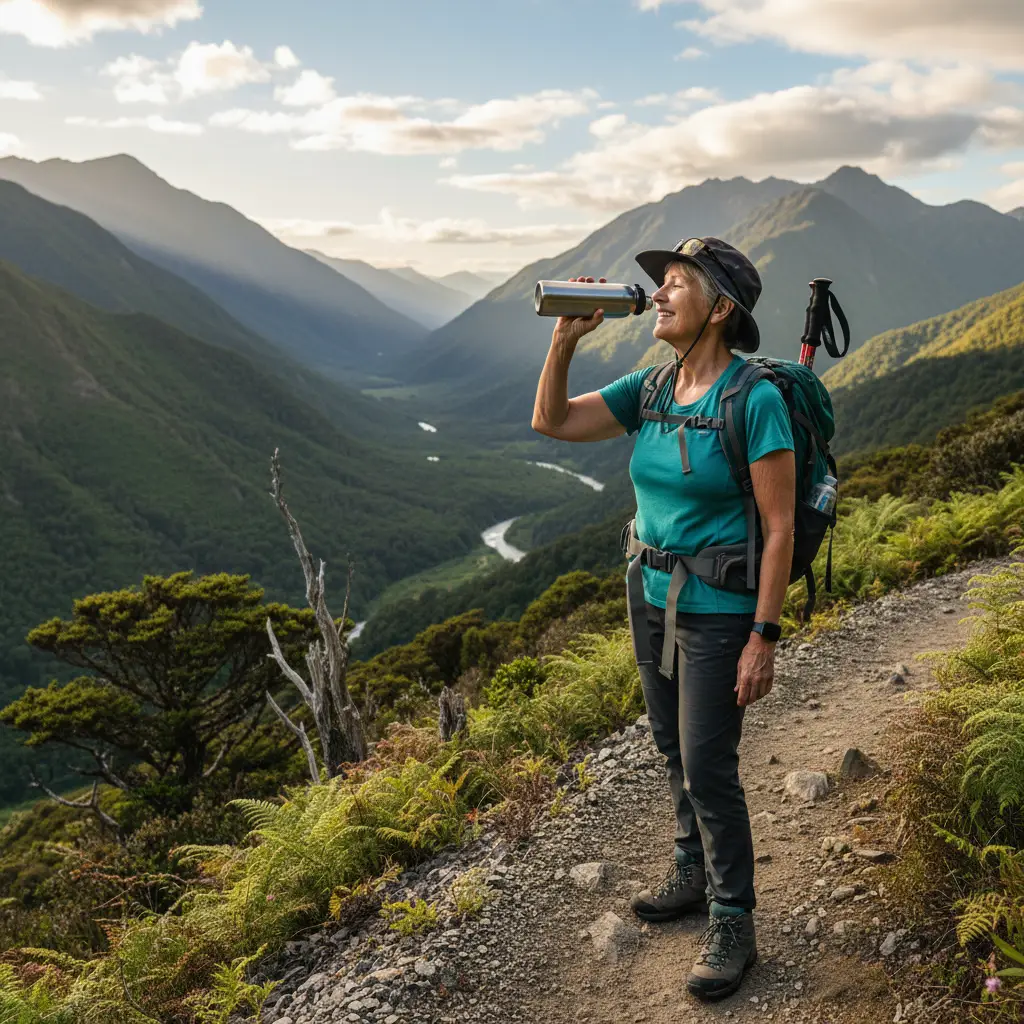
Hydration is often the most overlooked aspect of senior nutrition. As the body ages, the physiological thirst mechanism becomes blunted. By the time a senior feels thirsty, they may already be significantly dehydrated. In the humid climate of Auckland, or during outdoor activities in the dry heat of Central Otago, this can lead to rapid performance decline, dizziness, and increased fall risk.
How much water do seniors really need?
The standard “8 glasses a day” is a generalization. Active seniors need a strategy based on body weight and activity level. A better metric is to monitor urine color (aiming for pale straw) and frequency. Dehydration reduces blood volume, making the heart work harder and reducing oxygen delivery to muscles and the brain.
The Importance of Electrolytes
Plain water is not always sufficient, especially for those on medication (like diuretics for blood pressure) or those engaging in vigorous exercise. Aging kidneys may flush out electrolytes (sodium, potassium, magnesium) more readily. Using a low-sugar electrolyte solution can improve fluid retention and prevent hyponatremia (low sodium levels). Coconut water is a good natural alternative, though it is high in potassium and should be used cautiously by those with kidney restrictions.
Practical Hydration Tips for NZ Seniors
- Front-load hydration: Drink a large glass of water immediately upon waking to counteract overnight dehydration.
- Eat your water: Consume water-rich fruits and vegetables like cucumber, melon, and citrus.
- Carry a bottle: Make it a habit to carry a reusable bottle during walks or outings.
- Monitor caffeine and alcohol: Both are diuretics. For every cup of coffee or glass of wine, compensate with an extra glass of water.
Conclusion: A Holistic Approach to NZ Senior Wellness
Navigating nutrition as a senior in New Zealand requires a blend of traditional wisdom and modern medical science. By focusing on high-quality protein intake, leveraging the incredible seasonal produce available from our local farms, addressing specific micronutrient needs like Vitamin D, and maintaining rigorous hydration, seniors can significantly improve their quality of life. This proactive approach supports not just longevity, but “healthspan”—ensuring that the later years are lived with vitality, strength, and independence.
People Also Ask
How much protein do NZ seniors need daily?
Medical guidelines suggest NZ seniors should aim for 1.2 to 1.5 grams of protein per kilogram of body weight. For a 70kg person, this equates to roughly 84g to 105g daily. This higher intake combats anabolic resistance and helps preserve muscle mass (preventing sarcopenia).
What are the best seasonal vegetables for seniors in NZ?
The best vegetables vary by season: Kumara and pumpkins in autumn for sustained energy; dark leafy greens and citrus in winter for immunity; asparagus in spring for kidney health; and tomatoes, capsicums, and avocados in summer for heart and skin health.
Do NZ seniors need Vitamin D supplements?
Yes, often. Despite the harsh sun, many seniors are deficient due to sun avoidance and aging skin’s reduced ability to synthesize Vitamin D. A supplement is frequently recommended, especially between May and September, to support bone density and immunity.
How does aging affect hydration needs?
Aging blunts the thirst sensation, meaning seniors may not feel thirsty even when dehydrated. Furthermore, kidney function changes can alter fluid balance. Seniors need to drink proactively, not just when thirsty, to prevent dizziness and cognitive fatigue.
What is the best diet for longevity in New Zealand?
A modified Mediterranean diet using NZ whole foods is widely considered best. This includes high consumption of vegetables, fruits, legumes, nuts, healthy fats (olive oil, avocado), and moderate intake of fish (King Salmon) and lean meats, while minimizing processed foods and sugars.
Are superfoods necessary for senior nutrition?
While not strictly “necessary,” nutrient-dense foods often labeled as superfoods (like blueberries, kiwifruit, and salmon) are highly beneficial because seniors have lower caloric needs but higher nutrient needs. They provide maximum nutrition per calorie.