A comprehensive seasonal fruit NZ nutrition guide focuses on consuming produce at peak ripeness to maximize nutrient density, specifically Vitamin C and antioxidants essential for senior immunity. By aligning diet with New Zealand’s harvest calendar—prioritizing citrus in winter and berries in summer—seniors can optimize physiological performance, enhance recovery from exercise, and bolster immune defense against seasonal pathogens.
Why is a Seasonal Fruit NZ Nutrition Guide Critical for Seniors?
As we age, our metabolic needs shift. For seniors in New Zealand, particularly those maintaining an active lifestyle in regions like Auckland, nutrition is not just about calories; it is about nutrient density and bioavailability. Consuming fruit that is in season locally ensures that the produce is harvested closer to peak ripeness. This results in higher levels of vitamins, minerals, and phytonutrients compared to produce that has been cold-stored for months or shipped from overseas.
For the medically informed senior, aligning diet with the seasons acts as a natural supplement strategy. Nature often provides exactly what the body needs for the specific climate conditions of that time of year. For instance, the high Vitamin C content in winter citrus aids the immune system during flu season, while the high water content of summer stone fruits aids in hydration during warmer weather.

Winter (Jun-Aug): Immunity and Indoor Activity
New Zealand winters, especially in Auckland, can be damp and chilling. This season requires a dual approach: bolstering the immune system against respiratory viruses and maintaining physical conditioning despite the urge to remain sedentary.
Leveraging NZ Citrus Season for Vitamin C
Winter is the prime season for New Zealand citrus. This is fortuitous, as Vitamin C is a critical co-factor for immune function and collagen synthesis—vital for joint health in active seniors.
- Kiwifruit (Green & Gold): Often considered the crown jewel of NZ nutrition. Gold kiwifruit, in particular, contains exceptionally high levels of Vitamin C. A single fruit can provide the daily recommended intake. They also contain actinidin, an enzyme that aids protein digestion, which is beneficial for seniors who may experience slower gastric emptying.
- Mandarins and Navel Oranges: Easy to peel and rich in flavonoids. The Satsuma mandarin is an early winter staple. The bioflavonoids found in the white pith of oranges work synergistically with Vitamin C to improve absorption and reduce inflammation.
- Tamarillos: A unique nutritional powerhouse often available in winter. They are high in vitamins A, C, E, and B6. Their high antioxidant capacity helps combat oxidative stress caused by indoor heating and reduced ventilation.
Staying Active Indoors
The Auckland winter rain can make outdoor walking hazardous due to slippery surfaces. However, maintaining cardiovascular health and muscle mass is non-negotiable for lifestyle performance.
Seniors should pivot to low-impact indoor activities during these months. Stationary cycling, resistance band circuits, and yoga are excellent for maintaining joint mobility without the risk of falls associated with wet pavements. Integrating balance exercises indoors is also crucial, as it prepares the neuromuscular system for the uneven terrain encountered when outdoor activities resume in spring.
Spring (Sep-Nov): Revitalizing Energy Levels
As the days lengthen, the focus shifts to revitalization and metabolic awakening. Spring produce in New Zealand offers nutrients that support liver function and energy metabolism.
Nutritional Focus: Avocados and Strawberries
While avocados are available year-round, the new season supply ramps up in spring. Avocados are essential for seniors due to their monounsaturated fat content, which supports heart health and lipid profiles. Furthermore, the high potassium content (higher than bananas) is vital for blood pressure regulation and preventing muscle cramps during increased physical activity.
Late spring brings the first flush of strawberries. Rich in ellagic acid and anthocyanins, strawberries provide potent anti-inflammatory benefits. For seniors dealing with osteoarthritis, increasing anthocyanin intake can help mitigate joint pain, allowing for more comfortable movement.

Transitioning to Outdoor Exercise
Spring is the time to reintroduce outdoor walking and cycling. However, the transition should be gradual. The “weekend warrior” mentality can lead to tendonitis or strains if the body hasn’t been conditioned. Start with shorter durations and lower intensities, allowing the cardiovascular and musculoskeletal systems to adapt to the changing environmental load.
Summer (Dec-Feb): Hydration and Heat Management
Auckland summers can be humid, increasing the physiological strain on older adults. Thermoregulation becomes less efficient with age, making hydration and electrolyte balance critical safety factors.
Stone Fruits and Berries for Hydration
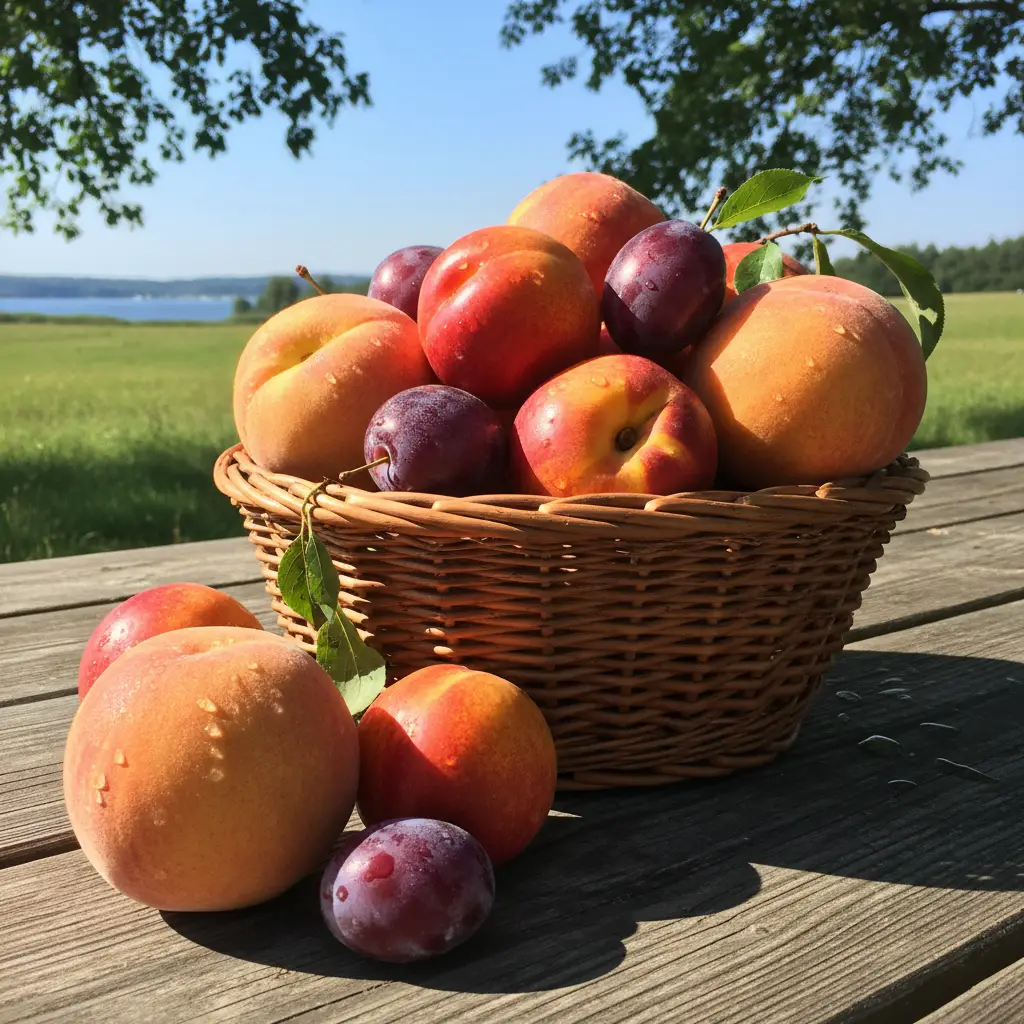
Nature provides fruits with high water content during the hottest months. Consuming these fruits contributes significantly to daily fluid intake.
- Stone Fruit (Peaches, Nectarines, Plums, Apricots): These are rich in vitamins A and C, potassium, and dietary fiber. The beta-carotene in apricots and yellow-fleshed peaches supports eye health and skin protection against UV radiation.
- Berries (Blueberries, Raspberries, Blackberries): These are cognitive superfoods. Studies suggest that the flavonoids in berries, particularly blueberries, can delay cognitive aging and improve memory. For the active senior, the anti-inflammatory properties aid in recovery after long summer walks or golf games.
- Watermelon: Although less common as a commercial crop in NZ compared to others, it is widely available in summer. It contains citrulline, an amino acid that may help improve blood flow and reduce muscle soreness.
Managing Heat Stress for Seniors
Exercise schedules must be adjusted in summer. Training should occur in the early morning or late evening to avoid peak UV and heat levels. If exercising outdoors, seniors should monitor their heart rate, as cardiac drift (an increase in heart rate without an increase in exercise intensity) occurs more readily in the heat. Hydration strategies should include electrolytes, not just water, to prevent hyponatremia.
Autumn (Mar-May): Prepping for Cooler Months
Autumn is the season of harvest and preparation. The goal is to build nutrient reserves and prepare the body for the incoming viral load of winter.
The Feijoa Phenomenon and Apples
No New Zealand nutrition guide is complete without the feijoa. Available briefly in autumn, feijoas are incredibly rich in fiber and Vitamin C. Their unique profile supports gut health, which is increasingly recognized as a cornerstone of overall immunity.
Apples and pears are also at their peak. The old adage “an apple a day” holds weight; apples contain quercetin, a flavonoid with antihistamine and anti-inflammatory properties. This can be particularly beneficial for seniors with seasonal allergies or mild respiratory issues as the seasons change.
Critical Health Strategies for Auckland Seniors
Beyond nutrition, specific environmental factors in Auckland require targeted lifestyle strategies.
Vitamin D Strategies During Auckland Winters
Vitamin D deficiency is a silent epidemic among seniors, particularly in winter when UV levels in New Zealand drop significantly. While some Vitamin D can be obtained from fortified foods and fatty fish, sunlight is the primary source.
In Auckland, between May and August, the UV index is often too low to stimulate sufficient Vitamin D synthesis. Furthermore, older skin produces Vitamin D less efficiently than younger skin. It is medically advisable for seniors to consult their GP regarding supplementation during these months. Maintaining adequate Vitamin D levels is crucial for calcium absorption (bone density) and muscle function, directly impacting fall prevention.
Warm-up Routines to Prevent Cold-Weather Injuries
Cold muscles are less elastic and more prone to tears. In the cooler months, the warm-up component of any fitness routine becomes the most important segment.
Effective Warm-up Protocol:
- Heat Generation (5-10 mins): Gentle marching in place or stationary cycling to raise core body temperature.
- Dynamic Stretching: Controlled movements that take joints through their full range of motion (e.g., arm circles, leg swings). Avoid static stretching (holding a stretch) before muscles are warm.
- Neuromuscular Activation: Simple balance drills or glute bridges to “wake up” the stabilizing muscles before engaging in heavier activity.

People Also Ask
What fruits are in season in winter in NZ?
In New Zealand winters (June to August), the primary seasonal fruits are citrus varieties including lemons, grapefruit, mandarins, and navel oranges. Kiwifruit (both green and gold) are also at their peak, along with tamarillos. These fruits are essential for providing high levels of Vitamin C during the colder months.
Why is seasonal eating better for seniors?
Seasonal eating is beneficial for seniors because produce harvested at peak ripeness contains higher densities of vitamins, minerals, and antioxidants compared to food stored for long periods. Additionally, seasonal food is often fresher and more flavorful, which can help stimulate appetite in seniors who may experience reduced taste sensitivity.
How much fruit should a senior eat per day?
The New Zealand Ministry of Health generally recommends at least 2 servings of fruit per day for adults. For active seniors, ensuring these servings come from nutrient-dense, low-glycemic options (like berries or kiwifruit) can help manage energy levels and blood sugar while providing necessary fiber.
Does feijoa have more Vitamin C than oranges?
Yes, feijoas are incredibly rich in Vitamin C. On a weight-for-weight basis, feijoas can contain similar or slightly higher levels of Vitamin C compared to oranges, depending on the variety and ripeness. Three medium feijoas can provide the daily recommended intake of Vitamin C.
What is the best fruit for senior muscle health?
Bananas and avocados are excellent for muscle health due to their high potassium content, which helps prevent cramping. However, berries (blueberries and cherries) are also superior due to their anti-inflammatory properties that aid in muscle recovery and reduce post-exercise soreness.
How can seniors get Vitamin D in NZ winter?
Getting sufficient Vitamin D from sunlight alone in NZ winter is difficult due to low UV levels. Seniors should focus on consuming fatty fish (salmon, mackerel), fortified dairy products, and eggs. However, supplementation is often recommended by medical professionals for seniors during the winter months to maintain bone health.