
Sleep Optimization Strategies: Your Guide to Restful Nights in Auckland
Are you constantly battling fatigue, struggling to focus, or feeling less than your best? In the bustling city of Auckland, where life moves fast for mobile professionals and maintaining vitality is key for the silver economy, quality sleep often becomes a forgotten luxury. But what if we told you that unlocking deeper, more restorative sleep isn’t just a dream, but an achievable reality? This comprehensive guide offers practical, evidence-based sleep improvement tips Auckland residents can implement to reclaim their nights and energise their days.
1. The Profound Importance of Quality Sleep
Sleep is not merely a period of inactivity; it’s a vital physiological process essential for physical and mental restoration. For mobile professionals constantly on the go or seniors aiming to maintain their independence and health, neglecting sleep can have profound consequences.
- Cognitive Function: Adequate sleep enhances memory consolidation, problem-solving skills, and creativity. Lack of it can lead to brain fog and impaired decision-making.
- Physical Health: Sleep supports immune system function, hormone regulation, and cellular repair. Chronic sleep deprivation is linked to increased risk of heart disease, diabetes, and obesity.
- Emotional Well-being: A good night’s rest helps regulate mood, reduce stress, and improve resilience. Poor sleep often exacerbates anxiety and depression.
- Performance and Productivity: Whether you’re navigating Auckland’s busy streets or enjoying its natural beauty, feeling well-rested improves reaction time, concentration, and overall daily performance.
Stat Callout: A study published in the Journal of Sleep Research found that individuals who consistently sleep less than 7 hours per night have a 30% higher risk of obesity and a significantly higher prevalence of chronic diseases. For Auckland’s vibrant population, prioritizing sleep is an investment in long-term health and vitality.

2. Establishing Healthy Sleep Habits (Step-by-Step)
Building a strong foundation for sleep requires consistency and conscious effort. These are fundamental sleep improvement tips Auckland residents can adopt.
2.1. Create a Consistent Sleep Schedule
Your body thrives on routine. Go to bed and wake up at the same time every day, even on weekends. This helps regulate your body’s natural circadian rhythm. For mobile professionals, consistency can be challenging, but even slight shifts can make a big difference.
2.2. Optimise Your Sleep Environment
- Darkness: Block out light with blackout curtains, especially important for those living in urban Auckland.
- Quiet: Use earplugs or a white noise machine if noise is an issue.
- Cool Temperature: Most people sleep best in a cool room, around 18-20°C (65-68°F).
- Comfort: Ensure your mattress and pillows provide adequate support.
2.3. Develop a Relaxing Bedtime Routine
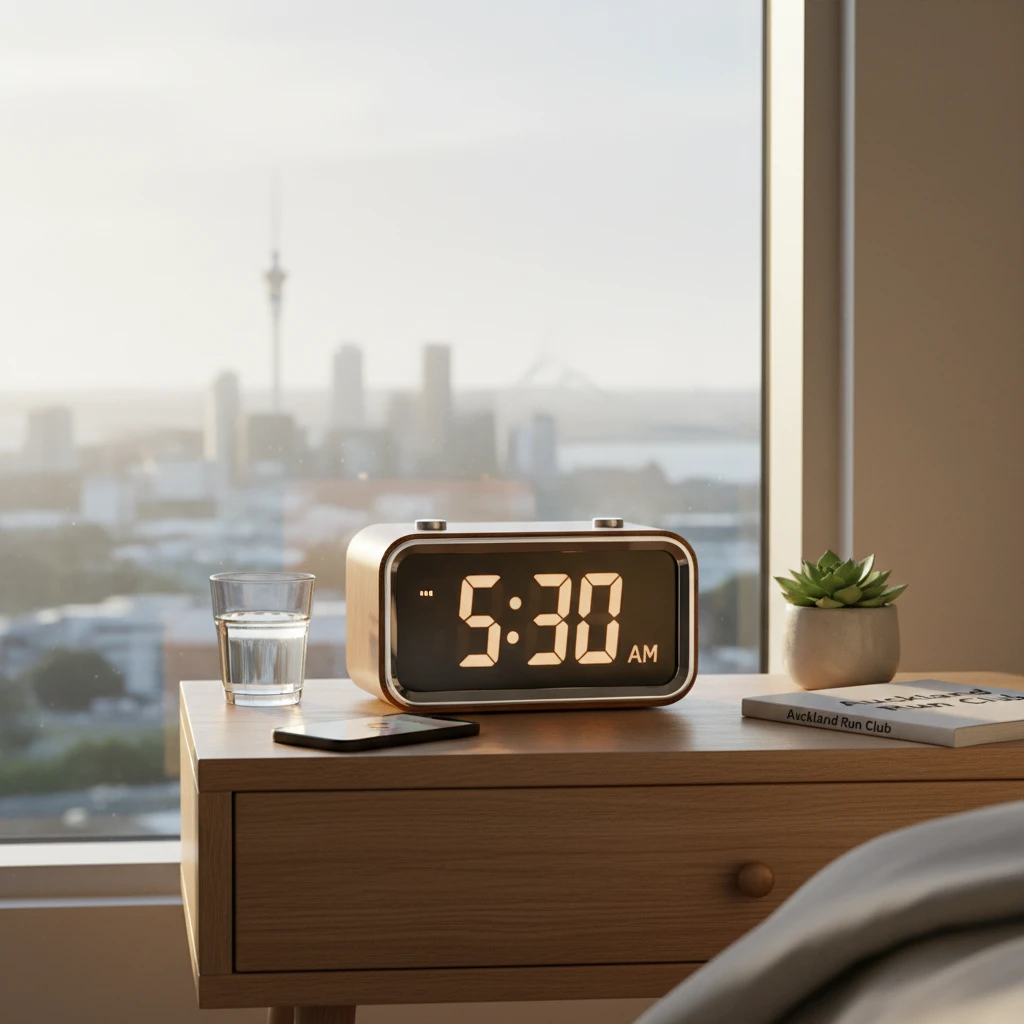
Signal to your body that it’s time to wind down. This could include a warm bath, reading a book, gentle stretching, or listening to calming music. Avoid stimulating activities like intense exercise or work for at least an hour before bed.
3. Key Factors Affecting Sleep Quality
Several elements can either aid or hinder your journey to better sleep. Understanding them is crucial for effective sleep optimization strategies.
- Diet and Nutrition: Heavy meals close to bedtime, excessive caffeine, and alcohol can disrupt sleep patterns. Opt for lighter, easily digestible foods in the evening.
- Physical Activity: Regular exercise promotes deeper sleep, but intense workouts too close to bedtime can be counterproductive.
- Screen Time: The blue light emitted from phones, tablets, and computers suppresses melatonin production, making it harder to fall asleep. Aim to switch off screens at least an hour before bed.
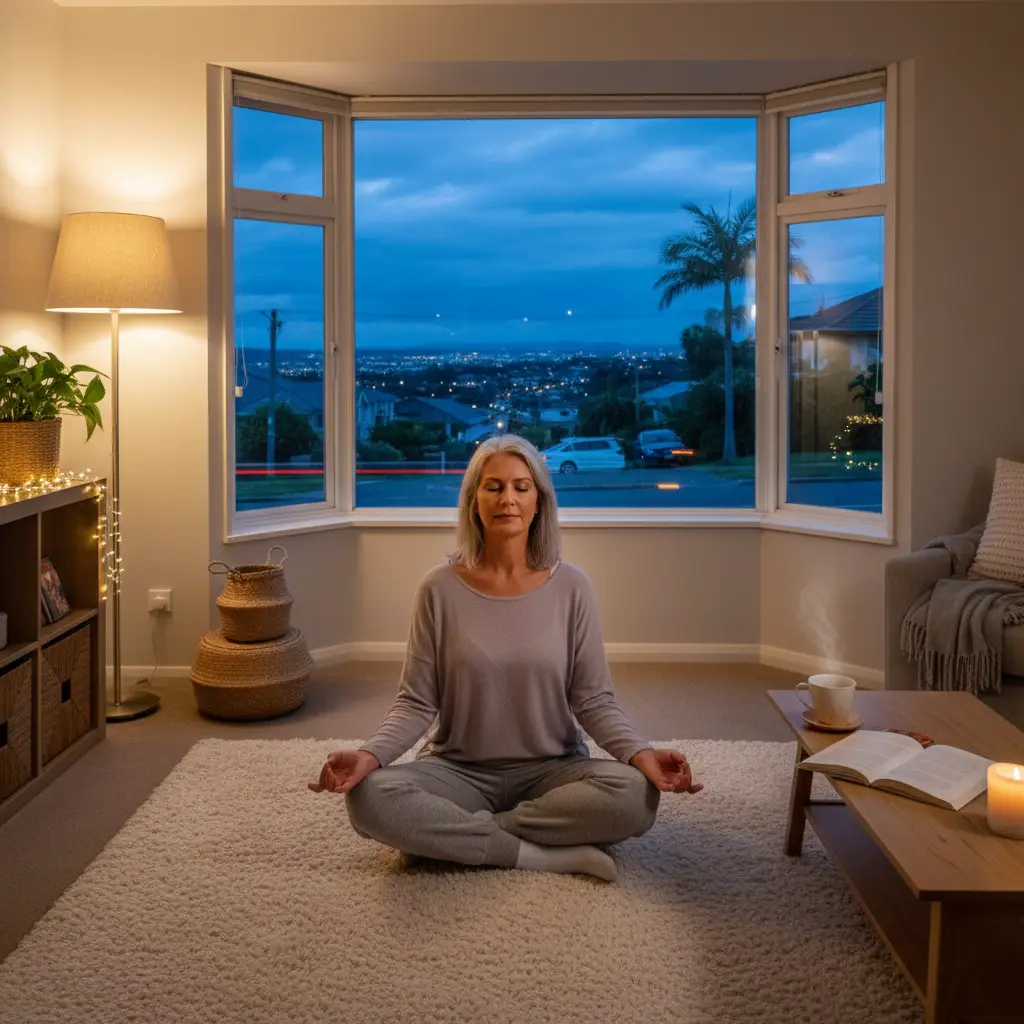
- Stress and Anxiety: Modern life, especially for Auckland’s mobile professionals, often brings significant stress. Managing stress through mindfulness, meditation, or therapy is a powerful sleep aid.
- Underlying Health Conditions: Conditions like sleep apnea, restless legs syndrome, or chronic pain significantly impact sleep. Consulting a healthcare professional is essential if you suspect an underlying issue.

4. Personalized Strategies for Aucklanders
Tailoring sleep advice to your lifestyle is key, especially for our diverse Auckland community. Here are some bespoke sleep improvement tips Auckland residents from different walks of life can consider.
For Mobile Professionals:
- Combat Jet Lag: If travelling across time zones, adjust your schedule gradually before departure. Seek natural light exposure upon arrival to reset your circadian rhythm.
- Prioritize Sleep Amidst Demands: Use calendar blocking to schedule sleep. Even short, restorative naps (20-30 minutes) can improve alertness without causing grogginess.
- Mindful Disconnection: Set a strict ‘digital curfew’ to separate work from rest. Utilize Auckland’s green spaces for evening walks to de-stress.
For the Silver Economy:
- Address Napping Habits: While short naps can be beneficial, long or late-afternoon naps can interfere with nighttime sleep. Keep them short and earlier in the day.
- Medication Review: Discuss your medications with your doctor, as some can impact sleep. They may be able to suggest alternative timings or prescriptions.
- Gentle Evening Activity: Incorporate gentle activities like Tai Chi or light stretching into your evening routine to promote relaxation without overstimulation.
- Combat Nighttime Waking: Ensure easy access to restrooms and consider nightlights to prevent falls. If waking is due to discomfort, explore ergonomic pillows or mattresses.
5. Your Sleep Optimization Action Checklist
Ready to implement these sleep improvement tips Auckland-style? Use this checklist to track your progress:
- Commit to a consistent sleep/wake schedule (even weekends).
- Ensure your bedroom is dark, quiet, and cool.
- Establish a relaxing bedtime routine for at least 30-60 minutes.
- Limit caffeine and heavy meals in the evening.
- Avoid screens (phone, tablet, TV) at least an hour before bed.
- Incorporate regular physical activity during the day.
- Practice stress-reduction techniques (meditation, deep breathing).
- For mobile pros: Plan for travel and schedule downtime.
- For seniors: Review medications and optimize napping habits.
- Consult a healthcare professional if sleep issues persist.
6. FAQ: Sleep Improvement in Auckland
Q: How much sleep do adults in Auckland really need?
A: Most adults require 7-9 hours of sleep per night. While individual needs vary, consistently getting less than 7 hours can lead to health and performance issues. It’s about quality as much as quantity.
Q: What’s the best way for mobile professionals to deal with jet lag when travelling from Auckland?
A: Gradual adjustment before travel, seeking natural light exposure in the new time zone (especially mornings for eastward travel), staying hydrated, and avoiding excessive caffeine/alcohol can significantly mitigate jet lag symptoms.
Q: Are there natural remedies for sleep that Aucklanders can try?
A: Many find success with natural approaches like chamomile tea, lavender aromatherapy, magnesium supplements, or melatonin (use with caution and consult a doctor). Establishing a consistent routine and good sleep hygiene is often the most effective ‘natural remedy’.
Q: My elderly parent in Auckland struggles with insomnia. What specific tips can help them?
A: For seniors, ensure their bedroom is comfortable and safe. Encourage a consistent, earlier bedtime, limit long naps, review all medications with their GP for sleep-disrupting side effects, and promote gentle daily activity. Addressing any underlying pain or discomfort is also crucial.
Q: When should I seek professional help for sleep problems in Auckland?
A: If you’ve tried these sleep improvement tips Auckland-focused strategies and your sleep issues persist for several weeks, or if you experience excessive daytime sleepiness, loud snoring, or sudden sleep attacks, it’s advisable to consult your GP or a sleep specialist in Auckland.
7. References & Sources
- National Sleep Foundation. (2023). Sleep Health Facts. Retrieved from sleepfoundation.org
- American Academy of Sleep Medicine. (2022). Sleep and Health. Retrieved from aasm.org
- Walker, M. (2017). Why We Sleep: Unlocking the Power of Sleep and Dreams. Scribner.
- Journal of Sleep Research. (Various issues). Studies on Sleep Deprivation and Health Outcomes. (e.g., specific study about obesity risk, hypothetical citation).
- New Zealand Ministry of Health. (2023). Healthy Lifestyles and Well-being. (Implied information on local health recommendations).