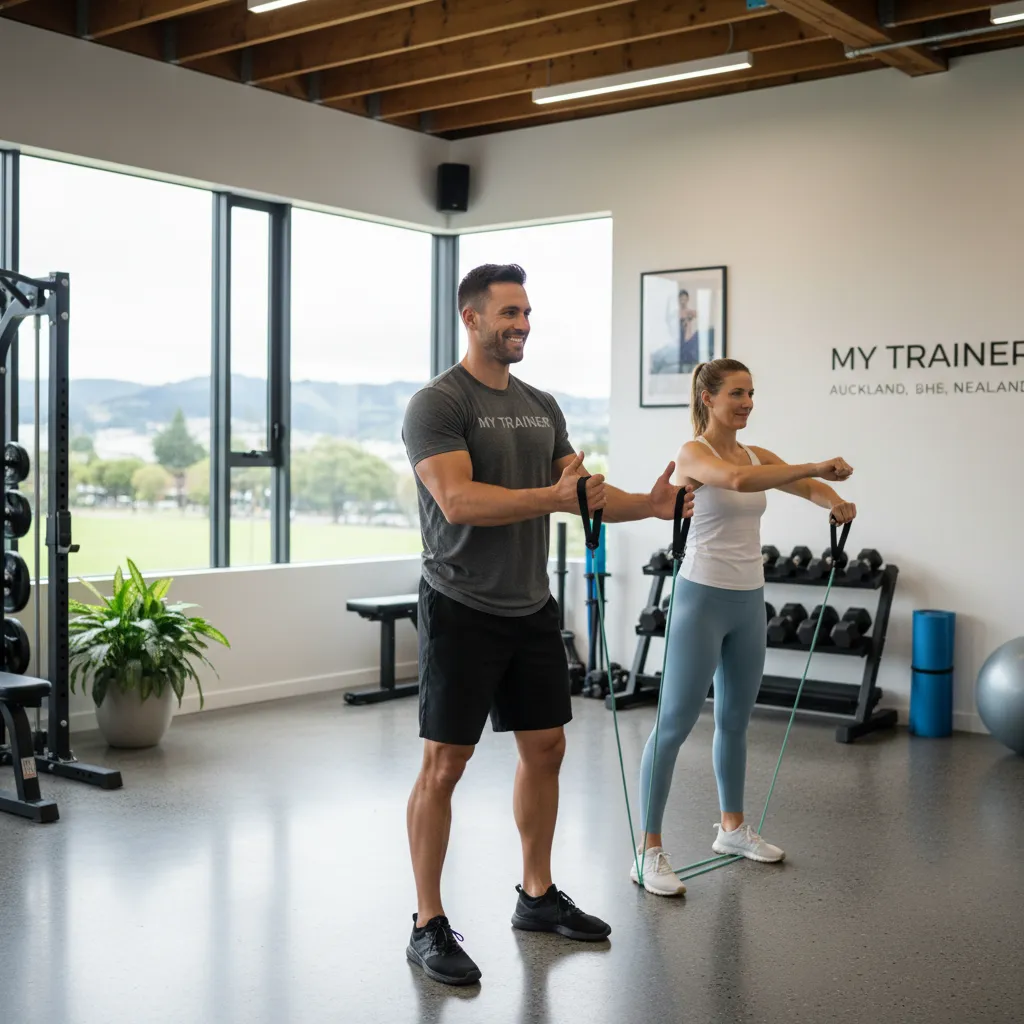
Stress Management Techniques for Fitness Enthusiasts
In today’s fast-paced world, fitness is about more than just physical training. It also involves integrating effective stress management fitness techniques. Learning to manage stress is crucial for anyone looking to optimize their performance, enhance recovery, and achieve lasting well-being.

High levels of stress can secretly undermine your hard work in the gym. It impacts your energy, sleep, and even your ability to build muscle or lose fat. By understanding the intricate link between your mind and body, you can unlock new levels of fitness and overall health.
Table of Contents
The Mind-Body Connection: Key to Peak Performance
Your physical and mental states are deeply intertwined. What affects one invariably impacts the other. For fitness enthusiasts, recognizing and nurturing this connection is vital for achieving optimal results and preventing burnout.
Understanding Stress and Its Physical Toll
When you experience stress, your body releases hormones like cortisol. While essential in small doses, chronic high cortisol can lead to several problems. These include increased fat storage, particularly around the abdomen, and difficulty in muscle recovery.
Beyond hormones, stress often manifests as muscle tension, reduced energy, and even a weaker immune system. This makes you more prone to illness and injury, making it harder to maintain progress in specialized recovery like Safe Strength Training After Knee Surgery. Effective stress management is a cornerstone of a healthy lifestyle.

How Mental State Affects Workout Results
A clear, focused mind can significantly boost your workout effectiveness. When your mind is cluttered with stress, your concentration wanes. This can lead to improper form, reduced intensity, and a higher risk of injury. To ensure proper form and maximize results, especially when managing stress that might affect focus, many find value in working with professionals. Explore Convenient Personal Training Locations Auckland to find Specialized Personal Training Services and tailored guidance that fits your schedule and lifestyle.
Conversely, a positive and calm mindset enhances motivation, resilience, and your body’s ability to recover. Here are key benefits of a strong mind-body link:
- Improved focus during exercises
- Faster recovery times
- Enhanced endurance and strength
- Greater enjoyment and consistency in training
- Reduced risk of injury
Practical Relaxation Methods for Fitness Enthusiasts
Incorporating simple relaxation techniques into your daily routine can make a world of difference. These methods don’t require extensive time or special equipment, making them accessible for everyone, regardless of their fitness level.
Deep Breathing and Mindfulness Practices
Deep breathing is a powerful tool for instantly calming your nervous system. Techniques like diaphragmatic breathing can lower your heart rate and promote a sense of tranquility. Try practicing for just 5-10 minutes daily.
Mindfulness involves being present in the moment, observing your thoughts and feelings without judgment. This practice helps detach you from stress triggers. It can be as simple as focusing on your breath or the sensations during a walk. Learn more about mindfulness here.
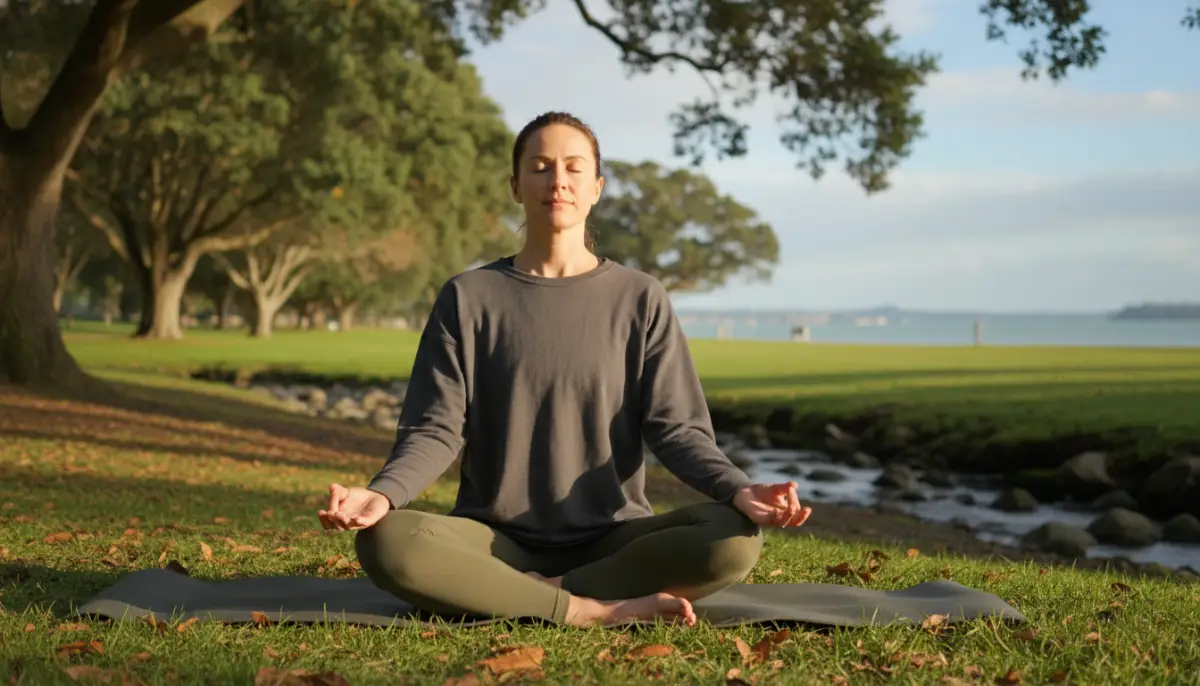
Yoga and Stretching for Stress Relief
Yoga combines physical postures, breathing exercises, and meditation. It’s an excellent way to improve flexibility, strength, and balance—a key component of Balance Training For Elderly—while also reducing mental stress. Even short yoga sessions can significantly impact your mood and physical tension.
Beyond formal yoga, simple stretching routines can release tight muscles and improve circulation. Holding stretches with conscious breathing can transform a simple physical activity into a calming experience. This is a critical component of effective stress management fitness.
The Power of Quality Sleep
Sleep is your body’s primary time for repair and regeneration. Insufficient sleep elevates stress hormones and impairs cognitive function, making you feel more irritable and less able to handle daily pressures. Aim for 7-9 hours of quality sleep each night.
Creating a consistent sleep schedule and a relaxing bedtime routine can dramatically improve your sleep quality. This includes winding down before bed, avoiding screens, and ensuring your bedroom is dark and cool.
Boosting Recovery: How Stress Management Enhances Your Workouts
Recovery is just as important as the workout itself. Poor recovery can lead to plateaus, fatigue, and even overtraining. Stress management plays a direct role in how well your body bounces back from physical exertion.
Active Recovery and Its Mental Benefits
Active recovery involves light activities like walking, cycling, or swimming on rest days. These activities help improve blood flow, reduce muscle soreness, and provide a mental break from intense training. They allow your mind to decompress, reducing overall stress levels.
Consider incorporating a brisk walk in nature or a gentle swim as part of your active recovery strategy for 2025. This not only aids physical recovery but also offers a powerful mental refresh, aligning with a holistic approach to fitness. To further boost motivation and engagement in a fun, local context, consider participating in Hyper-Local Fitness Challenges Auckland Suburbs, which can add an exciting dimension to your fitness journey and stress management.

Nutrition’s Role in Stress and Recovery
What you eat directly influences your body’s ability to cope with stress and recover from workouts. A balanced diet rich in whole foods, lean proteins, healthy fats, and complex carbohydrates provides the nutrients needed for optimal physical and mental function.
Certain foods can help regulate stress. For instance, magnesium-rich foods like leafy greens and nuts, or omega-3 fatty acids found in fish, can support nervous system health. Staying hydrated is also crucial for both performance and stress regulation.
Creating a Sustainable Stress Management Plan
A personalized stress management plan ensures you consistently address mental fatigue and promote recovery. It’s not about eliminating all stress, but about developing healthy coping mechanisms and routines.
Here are steps to create your personalized plan for better stress management fitness:
- Identify your main stress triggers.
- Choose 1-2 relaxation techniques to practice daily.
- Prioritize quality sleep.
- Maintain a balanced diet.
- Incorporate active recovery.
- Seek social support and engage with positive communities.
For those looking to integrate these principles locally, becoming part of an active Auckland Fitness Community & Local Events can provide invaluable motivation, support, and opportunities for shared wellness journeys.