
Understanding Basic Exercise Forms for a Stronger You
Mastering basic exercise forms is crucial for anyone starting their fitness journey. At My Trainner, your Auckland-based, beginner-friendly fitness coaching partner, we not only guide you step-by-step to build a safe and effective foundation but also connect you with the vibrant Auckland Fitness Community & Local Events. Learn how to move better, prevent injuries, and achieve your goals with confidence. Discover the immense Benefits of One-on-One Personal Training and how it can accelerate your progress.
Table of Contents
- Mastering Essential Basic Exercise Forms
- The Squat: Foundation of Strength
- The Lunge: Building Leg Balance
- The Push-Up: Upper Body Power
- Avoiding Workout Mistakes: Preventing Common Injuries
- Listening to Your Body
- The Power of Progressive Overload
- The Core of Movement: Importance of Good Posture
- Posture in Daily Life
- Correcting Postural Habits
- Why Choose My Trainner for Your Fitness Journey in Auckland?
Mastering Essential Basic Exercise Forms
Embarking on a fitness journey, especially as a beginner, can feel overwhelming. The gym environment, new equipment, and various exercises often lead to confusion. That’s why understanding basic exercise forms and exploring Simple Workout Routines for Beginners is your first and most important step. Correct form ensures you work the intended muscles, gain strength efficiently, and, most importantly, avoid injuries.
At My Trainner, we emphasize foundational movements. These exercises are the building blocks for all other workouts. By perfecting them, you establish a solid base that will serve you well, whether your goal is Sustainable Weight Loss Strategies That Work, muscle gain, or simply better overall health. Let’s dive into some fundamental forms that everyone should master for effective and safe training in 2026 and beyond.
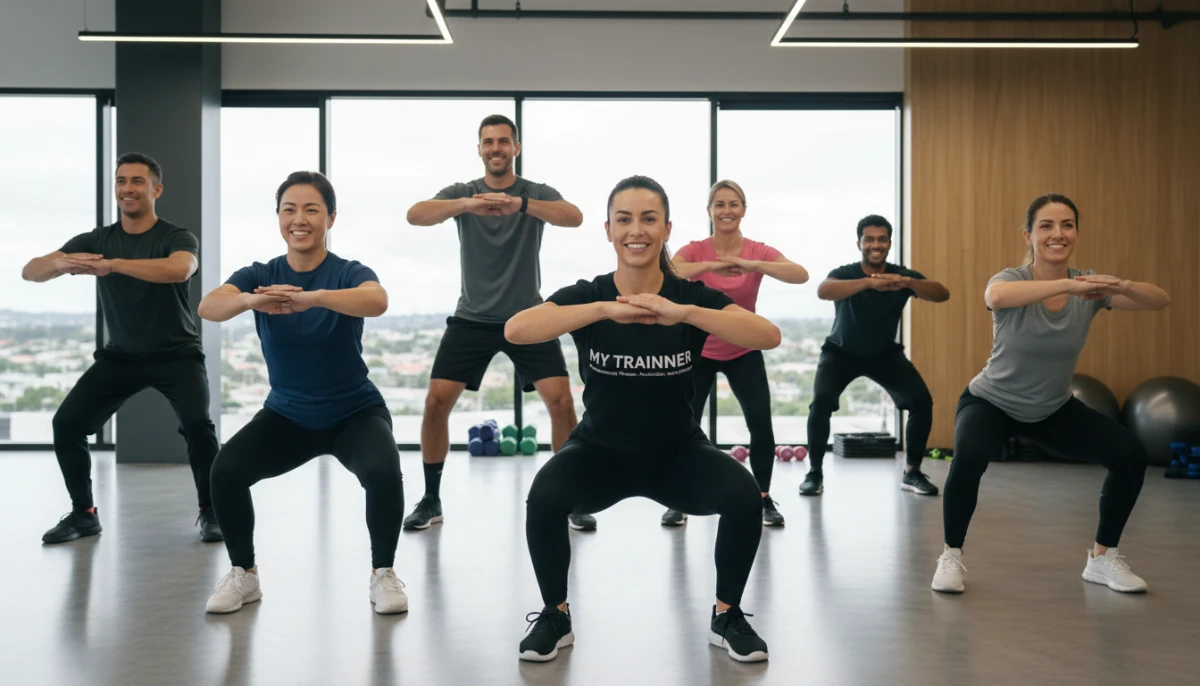
The Squat: Foundation of Strength
The squat is often called the king of all exercises, and for good reason. It works multiple major muscle groups, including your quadriceps, hamstrings, and glutes. Mastering the squat is essential for everyday movements like sitting down and standing up.
Here’s how to perform a proper squat:
- Starting Position: Stand with your feet shoulder-width apart, toes pointing slightly outwards. Keep your chest up and shoulders back.
- Descent: Initiate the movement by pushing your hips back as if you’re sitting into a chair. Keep your back straight, chest lifted, and core engaged. Descend until your thighs are parallel to the floor, or as deep as your mobility allows without compromising form.
- Knee Alignment: Ensure your knees track in line with your toes and do not collapse inwards.
- Ascent: Push through your heels and mid-foot to return to the starting position. Squeeze your glutes at the top.
Common mistakes include rounding the back, letting knees cave in, or not going deep enough. Our trainers in Auckland provide personalized feedback to ensure you perfect this crucial movement.
The Lunge: Building Leg Balance
Lunges are fantastic for improving balance, coordination, and building unilateral (one-sided) leg strength. They target similar muscles to squats but challenge stability more intensely, which is vital for athletic performance and daily functional movement.
How to perform a proper lunge:
- Starting Position: Stand tall with your feet hip-width apart. Engage your core.
- Step Forward: Take a generous step forward with one leg. Lower your hips until both knees are bent at approximately a 90-degree angle.
- Knee Placement: Your front knee should be directly above your ankle, and your back knee should hover just above the ground. Ensure your front knee does not extend past your toes.
- Return: Push off your front foot to return to the starting position. Alternate legs with each repetition or complete all reps on one side before switching.
Poor lunge form often involves a wobbly stance or the front knee extending too far forward. Our beginner-friendly approach makes learning these movements simple and safe.
The Push-Up: Upper Body Power
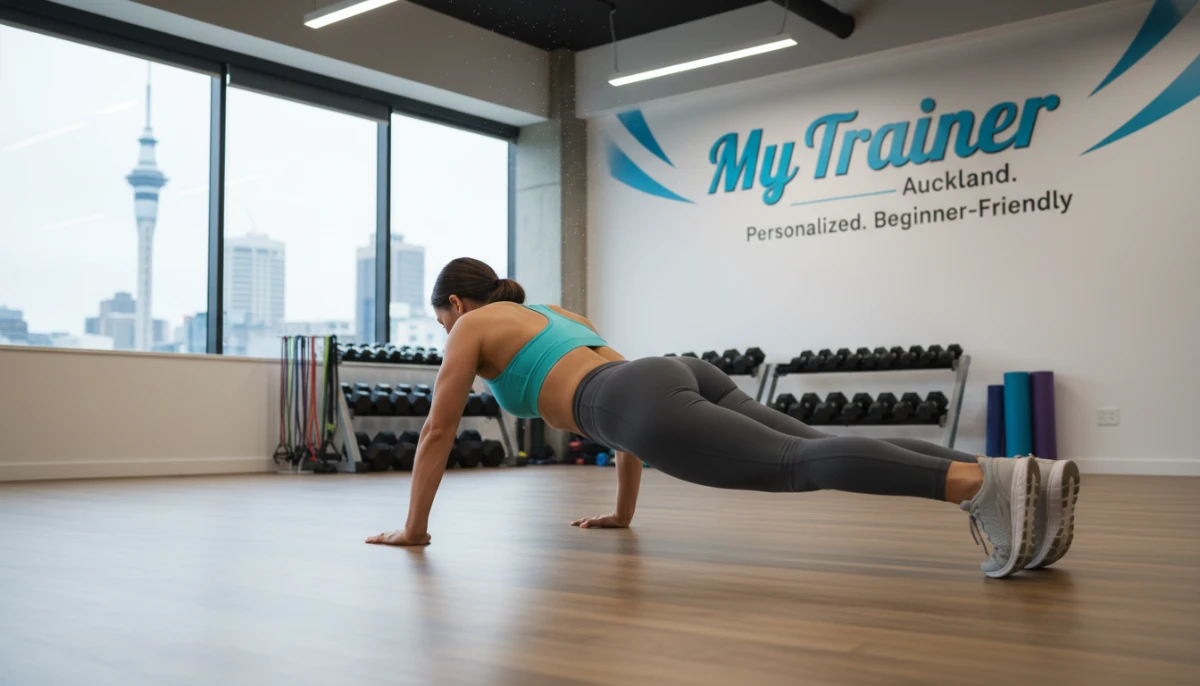
The push-up is a fundamental upper-body exercise that builds strength in your chest, shoulders, and triceps, while also engaging your core. It’s a versatile exercise that can be modified for all fitness levels, making it a staple for anyone focusing on basic exercise forms.
Here’s the correct push-up form:
- Starting Position: Begin in a plank position with your hands slightly wider than shoulder-width apart, fingers pointing forward. Your body should form a straight line from head to heels. Engage your core and glutes.
- Descent: Lower your chest towards the floor by bending your elbows. Keep your elbows tucked close to your body (about 45 degrees) rather than flaring them out.
- Depth: Lower until your chest is just above the floor, or as far as you can without losing the straight-body alignment.
- Ascent: Push through your hands to press back up to the starting plank position, fully extending your arms.
If a full push-up is too challenging, start on your knees or against an elevated surface. Consistency with proper form will quickly build strength. Our My Trainner coaches can demonstrate and correct your form live.
While perfecting your form in exercises like the push-up is paramount, remember that exercise is only one part of the fitness equation. Fueling your body correctly is just as vital for energy, recovery, and achieving your goals, especially if you’re working out from home. Discover essential Nutrition Tips for Home Fitness to complement your training.
Avoiding Workout Mistakes: Preventing Common Injuries
One of the primary benefits of mastering basic exercise forms is injury prevention. Incorrect form places undue stress on joints, ligaments, and tendons, leading to pain and potential long-term issues. For beginners… (truncated)


